

Testosterone gets blamed for a lot and credited with even more. Tired in the afternoons? Low T. Gaining weight round the middle? Low T. Lost interest in sex, the gym, or getting out of bed? The adverts have an answer, and it usually comes in a bottle or a vial. The truth about testosterone for men is less dramatic and more useful: it matters a great deal, it is easy to measure badly, and for most men the biggest levers are the ones nobody sells.
This guide pulls together everything we have published on the hormone into one place. It covers what testosterone does, what a normal level looks like, how to get tested so the result means something, what drags levels down, what lifts them, and what the largest trials say about testosterone therapy. Each section also links to a deeper article if you want the detail.
In this guide
- What testosterone does in men
- What counts as a normal level
- How testosterone changes as men age
- The signs of low testosterone in men
- How to get tested properly
- What lowers testosterone in men
- How to raise it without medication
- Supplements and “boosters”
- Testosterone therapy for men: what the big trials found
- Testosterone and fertility
- Myths that refuse to die
- A sensible plan for your situation
What Testosterone Does in Men
Almost all of a man’s testosterone is made in the testes, by the Leydig cells, with a small amount coming from the adrenal glands. Production, however, is run from the brain. The hypothalamus releases a signal (GnRH) that tells the pituitary to release luteinising hormone (LH), and LH tells the testes to make testosterone. Meanwhile, a second pituitary hormone, FSH, drives sperm production. When testosterone rises, the brain turns the signal down. When it falls, the brain turns it up. Doctors call the whole loop the hypothalamic-pituitary-gonadal axis, and it explains a lot of what follows, including why taking testosterone can switch off your own supply.
Testosterone also works through two conversions. An enzyme called 5-alpha reductase turns some of it into DHT, a stronger androgen that drives body hair, prostate growth and male-pattern baldness. Likewise, another enzyme, aromatase, turns some of it into estradiol, the main estrogen in men, which matters for bone, libido and fat distribution. In short, men need both. That is also one reason why crushing estrogen with estrogen blockers tends to backfire.
What testosterone controls
Here is what the hormone and its products are responsible for in an adult man:
| System | What testosterone (and its products) do |
|---|---|
| Sex drive and erections | Supports libido and spontaneous and morning erections. Sexual symptoms are the most specific sign when levels are low. |
| Sperm production | High testosterone inside the testes, together with FSH, drives sperm production. |
| Muscle and strength | Increases muscle protein synthesis and lean mass, which is also why it is abused as a performance drug. |
| Bone | Helps maintain bone density, partly through its conversion to estradiol. |
| Blood | Stimulates red blood cell production. However, too much can thicken the blood. |
| Fat distribution | Low levels go hand in hand with more visceral fat, and the relationship runs both ways. |
| Mood and energy | Low levels are linked with low mood and fatigue, though these symptoms have many other causes. |
What Counts as a Normal Level
Testosterone results come in two units. American labs usually report nanograms per decilitre (ng/dL). In contrast, British and European labs usually report nanomoles per litre (nmol/L). To convert, multiply ng/dL by 0.0347, or divide nmol/L by 0.0347. So 300 ng/dL is about 10.4 nmol/L, and 12 nmol/L is about 346 ng/dL.
For years, every lab set its own range, so the same blood could be called low in one place and normal in another. Then, in 2017, a team led by Thomas Travison pooled data from 9,054 men in four large cohort studies in the US and Europe, calibrated against a CDC reference method, and published a harmonised range. For healthy, non-obese men aged 19 to 39, the normal range (2.5th to 97.5th percentile) came out at 264 to 916 ng/dL, with a median of 531 ng/dL.
Where the lines are drawn
However, that range is not the same thing as a treatment threshold. Different bodies draw the line in different places:
| Source | Where they draw the line | In nmol/L |
|---|---|---|
| Harmonised reference range (Travison 2017) | Below 264 ng/dL is below the normal range for young, healthy men | About 9.2 |
| American Urological Association (2018) | Below 300 ng/dL, on two early-morning tests, plus symptoms | About 10.4 |
| Endocrine Society (2018) | Consistently low morning fasting levels, confirmed on repeat testing, plus symptoms; uses the harmonised lower limit where the lab supports it | About 9.2 |
| European Male Ageing Study (Wu 2010) | Below 11 nmol/L total and below 220 pmol/L free, together with three sexual symptoms | 11 |
Notice that every serious definition asks for two things: a low number and symptoms. In other words, a low number alone is not a diagnosis, and neither is a list of symptoms. We cover the age-by-age picture in testosterone levels by age.
Total, free and SHBG
Most testosterone in your blood is bound to proteins. A large share is held tightly by sex hormone binding globulin (SHBG), and much of the rest is loosely bound to albumin. Only a few percent floats free. Free and albumin-bound testosterone together are the portion your tissues can use. In practice, a standard test measures total testosterone. That is usually enough, but when SHBG is unusually high (common with age, liver disease or an overactive thyroid) or unusually low (common with obesity and type 2 diabetes), the total can mislead in either direction, and a free testosterone result becomes more useful. Our guides to free vs total testosterone and SHBG go through how to read them.
How Testosterone Changes as Men Age
Testosterone does drift down with age, but more slowly than the marketing suggests. The Massachusetts Male Aging Study followed men over several years and found total testosterone fell by about 0.8% a year, while free testosterone fell faster, at roughly 2% a year, because SHBG rises as men get older. Over a couple of decades that adds up, but it is a slope, not a cliff. There is no male equivalent of the menopause, so the popular term andropause overstates what happens to most men.
What speeds the slope up is mostly not age itself. In the European Male Ageing Study, which tracked more than 3,000 men aged 40 to 79, weight gain, chronic illness and poor health were linked with falling testosterone, and men who lost weight saw their levels rise. When the same researchers applied their strict definition of late-onset hypogonadism (three sexual symptoms plus low total and free testosterone), only 2.1% of the men qualified. Low testosterone driven purely by ageing is far less common than the number of prescriptions would suggest.
Still, that does not mean younger men are safe. For instance, obesity, poor sleep, heavy drinking and opioid use can push a 32-year-old into the low range. We look at that group in low testosterone in your 30s, and at the other end of the age range in testosterone after 50.

The Signs of Low Testosterone in Men
The symptom lists online are long, and that is part of the problem. Fatigue, low mood, poor concentration, weight gain and reduced motivation all appear on them, and all of them have a dozen other common causes, from poor sleep to depression to an underactive thyroid.
For this reason, the European Male Ageing Study tried to separate the signal from the noise. Out of dozens of candidate symptoms, the three most closely tied to low testosterone were all sexual:
- Fewer morning erections
- Low sexual desire
- Erectile dysfunction
Other features that also point towards a hormone problem include loss of body hair, smaller or softer testes, breast tenderness or enlargement (gynecomastia), hot flushes and a low-trauma fracture. The vaguer symptoms (tiredness, irritability, poor sleep, feeling flat) deserve attention, but on their own they are poor predictors of a low result. After all, they overlap heavily with depression, sleep apnoea and ordinary chronic stress.
For the full list, and how to tell which symptoms carry weight, see signs of low testosterone. If libido is your main concern, low libido causes in men covers the non-hormonal reasons too, and testosterone and mood covers the link with how you feel.
How to Get Tested Properly
A lot of men are told their testosterone is low on the strength of one badly timed test. Testosterone swings through the day, rising overnight and peaking in the morning, and in younger men the afternoon level can be noticeably lower than the morning one. Food also matters. In a 2013 study of 74 men given a standard 75 g glucose drink, testosterone fell by an average of 25% within two hours and stayed down.
Because of this, both major guidelines are strict about testing:
- Test in the morning. Aim for an early-morning blood draw, usually before about 10 am.
- Test fasting. The Endocrine Society recommends a morning fasting sample.
- Test twice. The AUA gives a strong recommendation that low testosterone be diagnosed only after two early-morning measurements on separate days.
- Don’t test when you’re ill. Acute illness, a bad week of sleep or a crash diet can all lower the result temporarily.
- Ask for LH and FSH if the result is low. They show whether the problem starts in the testes (high LH) or in the brain’s signalling (low or normal LH), which changes what a doctor looks for next.
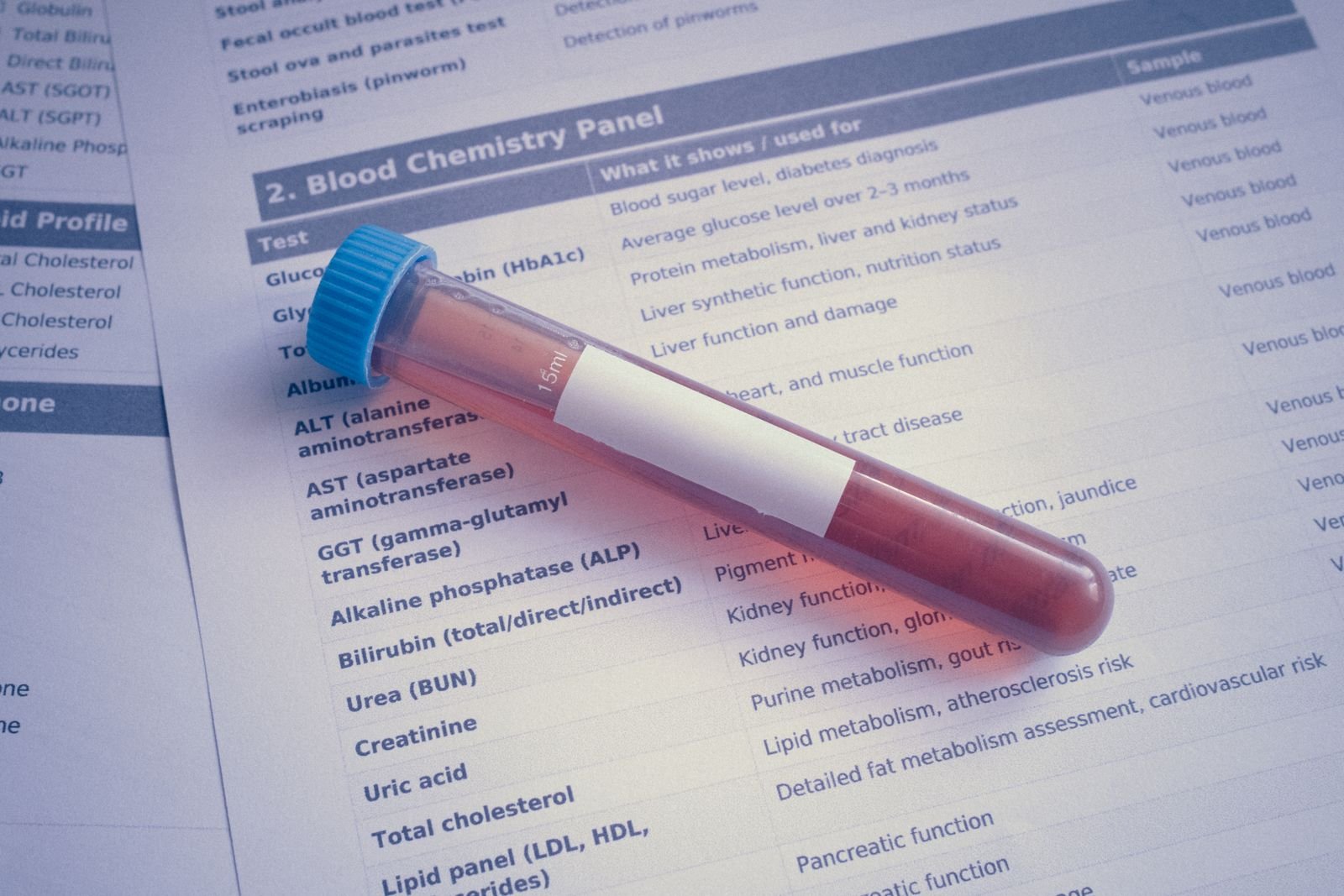
A doctor will also usually check a few other things: a full blood count (haematocrit matters if treatment is ever considered), PSA in older men, prolactin if LH is low, and often thyroid function and blood sugar. Our guide to blood tests for men covers the wider panel, and when to see a doctor about low testosterone covers what to ask.
What Lowers Testosterone in Men
Most low testosterone in men under 60 is what endocrinologists call functional: the system is intact, but something is suppressing it. The usual suspects are few, and most of them can be changed.
| Cause | How it lowers testosterone | Read more |
|---|---|---|
| Excess body fat, especially round the middle | Fat tissue converts testosterone to estradiol and is linked with insulin resistance and lower SHBG, which together damp down the brain’s signal to the testes. | Testosterone and belly fat |
| Insulin resistance and type 2 diabetes | Closely tied to low testosterone, and each also seems to worsen the other. | Testosterone and insulin resistance |
| Short sleep | Testosterone rises during sleep, so cutting sleep short cuts into that rise. | Sleep and testosterone |
| Sleep apnoea | Fragmented sleep and low oxygen suppress levels. | Testosterone and sleep apnea |
| Chronic stress | Persistently high cortisol works against testosterone. | Cortisol and testosterone |
| Overtraining and under-eating | Large training volumes on too few calories suppress the axis. | Overtraining and testosterone |
| Heavy drinking | Alcohol is directly toxic to the testes at high intakes. | Alcohol and belly fat |
| Opioids and some other drugs | Long-term opioids and glucocorticoids commonly suppress the brain’s signal. | Ask your prescriber |
| Past anabolic steroid use | Can leave natural production suppressed for months or longer. | See a specialist |
Why sleep matters so much
The sleep effect is larger than most men expect. In a 2011 University of Chicago study, ten healthy young men were limited to five hours in bed a night for a week. Their daytime testosterone fell by 10 to 15%, and they reported feeling steadily worse as the week went on. That is one week, in lean men in their twenties.
Primary problems in the testes themselves (injury, mumps, chemotherapy, a genetic condition such as Klinefelter syndrome) and problems in the pituitary are less common, but they are why a proper work-up matters. A man with a low result and a low LH needs a different conversation from a man with a low result and a high one.
How to Raise It Without Medication
For men with functional low testosterone, the evidence points to a short list, and the first item on it is bigger than the rest combined.
1. Lose excess fat
A 2013 meta-analysis in the European Journal of Endocrinology pooled 24 studies of men losing weight. Diet-based weight loss raised total testosterone by an average of 2.87 nmol/L (about 83 ng/dL). By comparison, weight loss after bariatric surgery raised it by 8.73 nmol/L (about 250 ng/dL). Generally, the more weight men lost, the bigger the rise, and the effect was largest in younger men without diabetes. For example, a man sitting at 9 nmol/L could move from low to normal with a rise of 3 nmol/L. Our calorie deficit guide and how to lose belly fat after 40 are the practical starting points.
2. Protect your sleep
Seven to nine hours, on a regular schedule, with sleep apnoea ruled out if you snore or wake unrefreshed. If you have been sleeping five or six hours a night for years, this is the cheapest intervention on the list. See how to increase deep sleep and why men sleep worse after 30.
3. Lift weights, and don’t overdo cardio on too little food
Resistance training produces short-lived rises in testosterone after a session, and those spikes matter less than the long-term effects on muscle, insulin sensitivity and body fat. On the other hand, heavy endurance training on low calories can push levels down. The exercises to increase testosterone article sets out a sensible routine.
4. Drink less
Light drinking seems to matter little. Regular heavy drinking, however, lowers testosterone and also adds calories and visceral fat.
5. Correct a true deficiency, not a hypothetical one
Zinc deficiency lowers testosterone, and correcting it helps. The evidence for vitamin D is more mixed, though. In both cases, adding more when you already have enough does not help. So a blood test is the way to find out which camp you’re in. See zinc deficiency symptoms and vitamin D deficiency in men.
We cover all five in more depth, with a month-by-month plan, in how to naturally support testosterone after 30. Diet matters mostly through its effect on weight, though a few foods earn their place; see foods that boost testosterone.

Supplements and “Boosters”
Testosterone boosters are a large, loosely regulated market. In 2020, researchers took 50 products marketed as “testosterone boosters”, found through a Google search, and checked their ingredients against the published research. Ninety percent claimed to boost testosterone. Between them, the products contained 109 different ingredients, an average of 8.3 each. When the researchers searched the published studies, only 24.8% had data showing an increase in testosterone, 10.1% had data showing a decrease, and 18.3% had data showing no change. Many products also contained vitamins and minerals at doses above the safe upper limit.
A few individual ingredients have better evidence than the category as a whole, usually from small trials with modest effects. For example, ashwagandha may help in stressed men, largely through its effect on cortisol. Similarly, tongkat ali has some small positive trials. Boron, meanwhile, has short-term data on free testosterone. Even so, none of them does what a testosterone prescription does, and none is a substitute for fixing sleep or losing weight. We go through the evidence ingredient by ingredient in do testosterone boosters work, do testosterone supplements work, ashwagandha for men, tongkat ali, boron and DHEA.
One practical warning: some bodybuilding and “testosterone” products sold online have been found by regulators to contain undeclared steroids or other drugs. If a supplement promises results that sound like a prescription, treat that as a red flag rather than a selling point.
Testosterone Therapy for Men: What the Big Trials Found
Testosterone replacement therapy (TRT) is a legitimate treatment for men with a confirmed deficiency. It is also one of the most over-prescribed drugs in men’s health. Prescriptions to American men aged 40 and over nearly tripled between 2001 and 2011, and studies from the same period found that many men started treatment without a baseline testosterone test. When the Testosterone Trials went looking for older men with clearly low levels, they screened more than 51,000 men to find the 790 they enrolled.
What it helps
The Testosterone Trials (Snyder, NEJM 2016) gave men aged 65 and over, with testosterone below 275 ng/dL and symptoms, a year of testosterone gel or a placebo gel. Treatment improved sexual activity, sexual desire and erectile function. It also slightly improved mood and depressive symptoms. However, it did not improve vitality, and it did not significantly improve walking distance in the trial designed to test that. In addition, other arms of the same programme found improvements in bone density and in anaemia.
That is a fair summary of TRT for men who have a deficiency: clear benefits for sexual symptoms, smaller benefits for mood, bone and blood count, and much less effect on energy than most men hope for.
The heart question
For a decade, observational studies disagreed about whether testosterone raised the risk of heart attack and stroke. So in 2015 the FDA asked manufacturers to settle it, and the answer was TRAVERSE, published in the New England Journal of Medicine in 2023. It randomised 5,204 men aged 45 to 80 with symptoms, two fasting morning testosterone results below 300 ng/dL, and either existing heart disease or a high risk of it, to testosterone gel or placebo.
| Outcome in TRAVERSE | Testosterone | Placebo |
|---|---|---|
| Heart attack, stroke or cardiovascular death | 7.0% | 7.3% |
| Atrial fibrillation | 3.5% | 2.4% |
| Acute kidney injury | 2.3% | 1.5% |
| Pulmonary embolism | 0.9% | 0.5% |
| Clinical fracture (2024 substudy) | 3.50% | 2.46% |
Overall, the headline result was reassuring. Testosterone did not increase major cardiovascular events in men who needed it and were monitored closely. But the trial also found more atrial fibrillation, acute kidney injury and pulmonary embolism in the testosterone group. And a 2024 substudy produced a surprise: fractures were more common with testosterone, not less, despite earlier evidence that it improves bone density. Still, the investigators were clear that the results apply to middle-aged and older men with confirmed low testosterone, treated to normal levels and monitored, not to men with normal levels or to anyone using high doses.
Side effects and who shouldn’t take it
The most common problem is a rise in red blood cells. The Endocrine Society treats a haematocrit above 54% as a reason to stop or adjust treatment, because thick blood raises clot risk. Other effects include acne, breast tenderness or enlargement, fluid retention, and shrinking testes as your own production shuts down.
The Endocrine Society also recommends against starting testosterone in men who are planning to have children soon, men with breast or prostate cancer, a prostate nodule or a PSA above 4 ng/mL (or above 3 ng/mL with a high prostate cancer risk) without urology review, a raised haematocrit, untreated severe sleep apnoea, severe urinary symptoms, uncontrolled heart failure, a heart attack or stroke in the previous six months, or a clotting disorder.
If you and your doctor decide on treatment, it comes as gels, injections, patches, pellets and, more recently, oral forms. We compare them in testosterone cream vs injections, and the full picture is in testosterone replacement therapy explained. Men on treatment who develop estrogen-related side effects should read high estrogen in men before reaching for a blocker.
Testosterone and Fertility
This is the part of the story most men never hear until it matters. Taking testosterone from outside the body tells the brain there is plenty, so it cuts LH and FSH. Without them, the testes then make less of their own testosterone and far fewer sperm. In fact, the effect is strong enough that testosterone has been studied as a male contraceptive, and it can leave men with very low or zero sperm counts while they are on it.
As a result, both the AUA and the Endocrine Society say testosterone therapy should not be used by men who are trying to conceive or planning to soon. Sperm production usually recovers after stopping, but it can take many months, and recovery is not guaranteed. If children are in your plans, raise it before any treatment starts; there are alternatives that raise testosterone while keeping sperm production going. We cover this in testosterone and fertility, and the numbers behind a semen analysis in normal sperm count and testosterone and sperm count.
Myths That Refuse to Die
“Masturbation or ejaculation lowers testosterone.” There is no good evidence that normal sexual activity lowers testosterone in any lasting way. Instead, short abstinence studies show small, temporary shifts at most. See does masturbation affect testosterone.
“Soy will lower your testosterone.” Clinical studies in men eating normal amounts of soy do not show meaningful changes in testosterone. See does soy lower testosterone.
“High testosterone makes men aggressive.” The link between normal testosterone levels and aggression is weak and depends heavily on context. See testosterone and aggression.
“Bald men have more testosterone.” Hair loss depends on how sensitive your follicles are to DHT, not on how much testosterone you have. See testosterone and hair loss, and for treatment options, finasteride vs minoxidil.
“You’ll know when it’s working.” Some effects of higher testosterone show up within weeks and others take months, and some things men expect to change don’t. See signs testosterone is increasing, and for a longer list of misconceptions, testosterone myths.
A Sensible Plan for Your Situation
The right next step depends on where you’re starting from. This is not medical advice for any individual, but it is how the guidelines and the trial evidence fit together.
| If this sounds like you | A sensible next step |
|---|---|
| Vague symptoms (tired, flat, low drive) and no test yet | Start with sleep, weight, alcohol and stress before anything else. If sexual symptoms are part of the picture, book two early-morning fasting tests. |
| One low result from an afternoon or non-fasting test | Repeat it properly before drawing conclusions. Many “low” results are normal on retest. |
| Confirmed low on two morning tests, overweight | Ask about LH, FSH and the causes above, then deal with them. Losing excess weight is the first treatment for most men in this group, and it can raise levels meaningfully. |
| Confirmed low, with snoring or unrefreshing sleep | Get assessed for sleep apnoea. Treating it can improve both energy and hormones, and severe untreated apnoea is a reason not to start testosterone. |
| Confirmed low, clear symptoms, causes addressed | Discuss testosterone therapy with a doctor who will monitor haematocrit, PSA and your response, and who will stop it if it does not help. |
| Trying for a baby now or soon | Do not start testosterone. Ask for a fertility-sparing approach. |
| Normal levels, still symptomatic | In this case, testosterone is unlikely to be the answer. Look at depression, thyroid, iron, sleep and lifestyle with your doctor. |
The through-line is simple. Measure properly, fix what is fixable, and treat a confirmed deficiency when the benefits outweigh the trade-offs. Most men who follow that order either never need testosterone therapy or get far more out of it when they do.
FAQ: Testosterone for Men
What is a normal testosterone level for men?
For healthy, non-obese men aged 19 to 39, the harmonised normal range is 264 to 916 ng/dL (about 9.2 to 31.8 nmol/L). The AUA uses 300 ng/dL (about 10.4 nmol/L) as a reasonable cut-off for low testosterone, alongside symptoms and a repeat test.
What time of day should men get testosterone tested?
In the early morning, usually before about 10 am, and fasting. Levels peak in the morning and can drop after food, so an afternoon or post-meal test can make a normal level look low.
Can men raise testosterone naturally?
Yes, for many men. Losing excess body fat has the largest effect in the research, with diet-based weight loss raising total testosterone by about 2.9 nmol/L on average. Sleeping enough, drinking less and strength training also help.
Is testosterone therapy safe for men’s hearts?
In the TRAVERSE trial, testosterone did not increase heart attacks, strokes or cardiovascular deaths in men with confirmed low levels and high cardiovascular risk. However, it did increase atrial fibrillation, acute kidney injury and pulmonary embolism, and a substudy found more fractures, so it is not risk-free.
Does testosterone therapy affect fertility in men?
Yes. External testosterone switches off the signals that drive sperm production and can drop sperm counts to zero while you take it. Men trying to conceive should therefore avoid it; there are fertility-sparing alternatives to discuss with a specialist.
This article is for informational purposes only and does not constitute medical advice. If you have symptoms of low testosterone, or are considering testosterone therapy, talk to a qualified healthcare professional and get properly tested before starting any treatment.
Sources: guidelines and population studies
- Bhasin S, et al. Testosterone Therapy in Men With Hypogonadism: An Endocrine Society Clinical Practice Guideline. J Clin Endocrinol Metab. 2018.
- Mulhall JP, et al. Evaluation and Management of Testosterone Deficiency: AUA Guideline. J Urol. 2018.
- Travison TG, et al. Harmonized Reference Ranges for Circulating Testosterone Levels in Men of Four Cohort Studies in the United States and Europe. J Clin Endocrinol Metab. 2017.
- Wu FCW, et al. Identification of Late-Onset Hypogonadism in Middle-Aged and Elderly Men. N Engl J Med. 2010.
- Feldman HA, et al. Age Trends in the Level of Serum Testosterone and Other Hormones in Middle-Aged Men: Longitudinal Results from the Massachusetts Male Aging Study. J Clin Endocrinol Metab. 2002.
- Camacho EM, et al. Age-associated changes in hypothalamic-pituitary-testicular function in middle-aged and older men are modified by weight change and lifestyle factors: longitudinal results from the European Male Ageing Study. Eur J Endocrinol. 2013.
Sources: trials, reviews and other studies
- Leproult R, Van Cauter E. Effect of 1 Week of Sleep Restriction on Testosterone Levels in Young Healthy Men. JAMA. 2011.
- Caronia LM, et al. Abrupt decrease in serum testosterone levels after an oral glucose load in men: implications for screening for hypogonadism. Clin Endocrinol. 2013.
- Corona G, et al. Body weight loss reverts obesity-associated hypogonadotropic hypogonadism: a systematic review and meta-analysis. Eur J Endocrinol. 2013.
- Clemesha CG, Thaker H, Samplaski MK. ‘Testosterone Boosting’ Supplements Composition and Claims Are not Supported by the Academic Literature. World J Mens Health. 2020.
- Baillargeon J, et al. Trends in androgen prescribing in the United States, 2001 to 2011. JAMA Intern Med. 2013.
- Baillargeon J, et al. Screening and Monitoring in Men Prescribed Testosterone Therapy in the U.S., 2001 to 2010. Public Health Rep. 2015.
- Snyder PJ, et al. Effects of Testosterone Treatment in Older Men. N Engl J Med. 2016.
- Lincoff AM, et al. Cardiovascular Safety of Testosterone-Replacement Therapy (TRAVERSE). N Engl J Med. 2023.
- Snyder PJ, et al. Testosterone Treatment and Fractures in Men with Hypogonadism. N Engl J Med. 2024.