

Ashwagandha has gone from an Ayurvedic herb to one of the best-selling supplements in men’s health, sold with claims that it cuts stress, lifts testosterone and improves sleep. Unusually for a trending supplement, some of that holds up. The evidence for stress is reasonable, the evidence for sleep is promising, and the testosterone effect is modest. This guide to ashwagandha for men covers what the trials found, the dose they used, and the safety signal that most write-ups leave out.
Related: Testosterone: The Complete Guide for Men
What Ashwagandha Is
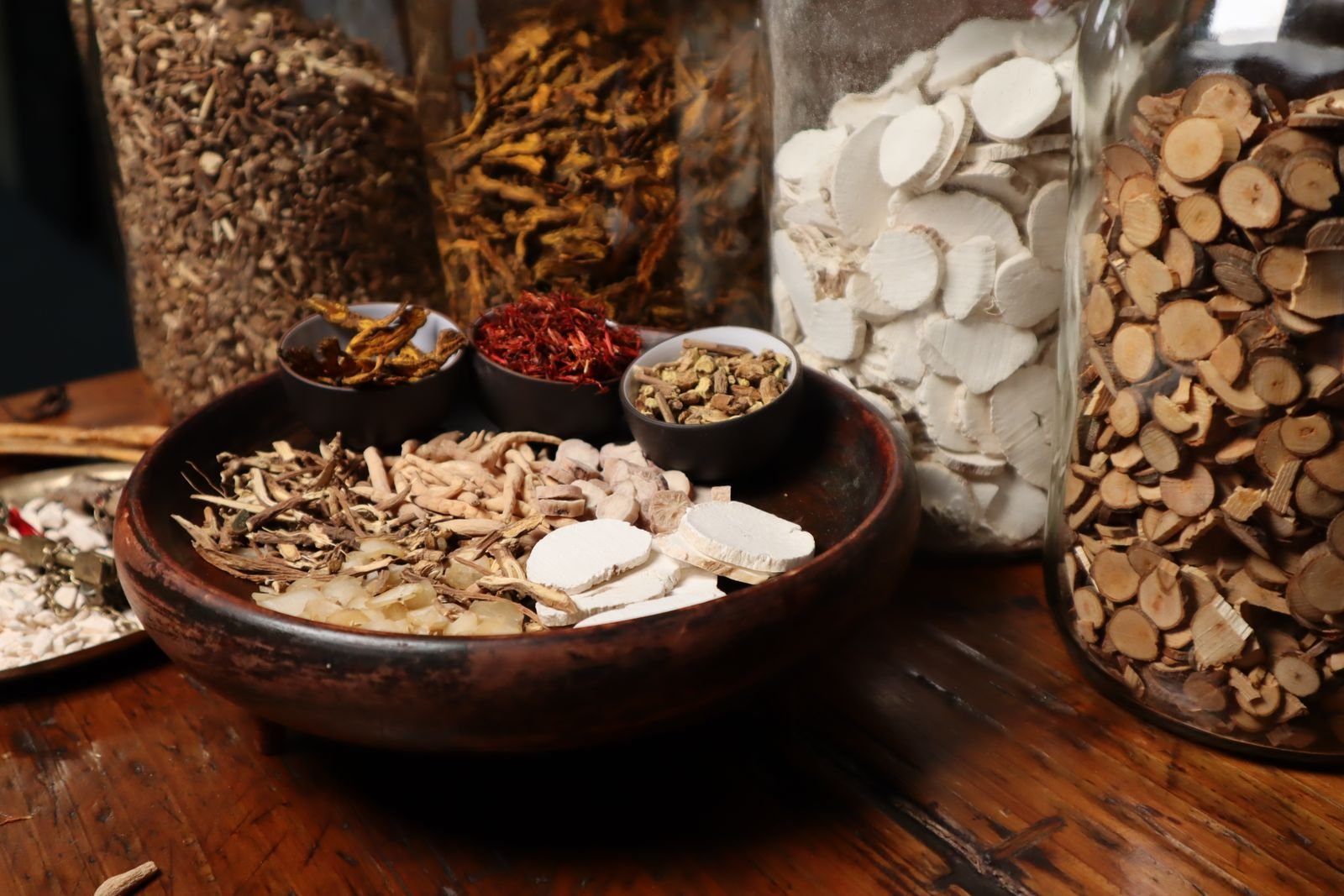
Ashwagandha (Withania somnifera) is a herb from traditional Ayurvedic medicine, usually described as an adaptogen, a substance thought to help the body cope with stress. Most people take it as a capsule or powder made from the root.
The active compounds are called withanolides, and their concentration varies a lot between products. That is why the extract matters. The trials mostly used standardised root extracts, some of them branded (KSM-66 and Sensoril are two common examples), and a product that does not state its withanolide content is not comparable to the ones that were tested.
Ashwagandha for Men: Where the Evidence Is Strongest
Stress and cortisol
This is ashwagandha’s best-supported use. In a 60-day trial of 64 adults with chronic stress, 300 mg of root extract twice a day cut scores on every stress questionnaire used and lowered serum cortisol by 27.9%, against 7.9% on placebo. A later 8-week trial in 60 stressed adults found that both 250 mg and 600 mg a day reduced perceived stress and cortisol compared with placebo (see chronic stress symptoms and how to manage stress).
These are small trials, several of them using extracts supplied by the manufacturer, so the results are encouraging rather than settled. Still, few herbal supplements have this much controlled evidence behind them.
Sleep
In a 10-week trial of 60 people with insomnia, 300 mg twice a day shortened the time it took to fall asleep and improved sleep efficiency and sleep quality compared with placebo. The effect fits its calming action, so it is most likely to help when stress is what keeps you awake (see best sleep supplements for men).
Anxiety
Several of the same trials measured anxiety and found improvements alongside the drop in stress (see anxiety symptoms in men). It is a supporting tool here, not a treatment for an anxiety disorder.
The Testosterone Question: Real but Modest
This is the claim that sells the most bottles, so it needs care. In an 8-week crossover trial of 57 overweight men aged 40 to 70, a standardised extract produced a 14.7% greater rise in testosterone than placebo, and an 18% greater rise in DHEA-S. But the same trial found no difference between the groups in fatigue, vigour or cortisol, so the hormone change did not come with men feeling noticeably different.
A 2021 systematic review of herbs and testosterone put ashwagandha among the few with positive trials, while noting that the studies were small, short and varied. The fair summary: ashwagandha may nudge testosterone up a little, especially in older or stressed men, but it is not a testosterone booster in the way the labels suggest (see do testosterone boosters work). If your testosterone is low because of weight, poor sleep or sleep apnea, fix those first.
Where the Claims Are Overblown
- “Dramatic testosterone boosts.” The effect is modest and most relevant to older or stressed men, not men with normal levels.
- Muscle-building claims. Some small trials report strength gains, but ashwagandha is not a meaningful muscle builder next to training and protein.
- Cure-all “adaptogen” claims. The adaptogen idea is loosely defined, and broad claims that it fixes everything are not supported. Its solid evidence is mainly for stress.
The Dose the Trials Used
The common design is 600 mg a day of root extract, usually split into two doses of 300 mg, for about 8 weeks, using an extract standardised to more than 5% withanolides. Cortisol reductions have been seen from 250 mg a day upward. Most benefits in the trials appeared over 4 to 8 weeks rather than straight away.
Almost all the trial evidence runs 8 to 12 weeks. Continuous daily use for years has not been well studied, so open-ended use is an extrapolation. Taking it for a defined period, then stopping to see how you feel without it, is the more defensible approach.

The Safety Signal
Ashwagandha is generally well tolerated for up to around three months, and the common side effects are mild: loose stools, nausea and drowsiness. But there are reports of more serious effects on liver function.
These reports are uncommon, and that context matters, but they change what a sensible approach looks like. If you have liver problems, drink heavily, or take medication your liver processes, talk to a doctor first. People with thyroid or autoimmune conditions, anyone on sedatives, and anyone pregnant are usually advised to check with a doctor before taking it too.
What to Look For If You Take It
- A standardised root extract that states its withanolide percentage, ideally one of the extracts used in trials.
- The studied dose, around 600 mg a day, often as 300 mg twice a day.
- A reputable, third-party-tested brand, since herbal supplement quality varies (see how to read a supplement label).
- A time limit. Run it for 8 to 12 weeks, then reassess.
Should You Take It?
Ashwagandha for men makes the most sense if stress, stress-related poor sleep or anxiety is the problem you are trying to solve. For those goals it is one of the better-supported herbal supplements. It makes less sense if you are hoping for big gains in testosterone or muscle, or if you are not particularly stressed. Either way, it supports the basics of stress management rather than replacing them.
Frequently Asked Questions
Does ashwagandha work for men?
For stress, reasonably well: trials show lower perceived stress and cortisol. The sleep results are promising. Testosterone rises modestly at best, mainly in older or stressed men.
Does ashwagandha boost testosterone?
Modestly. One trial in overweight men aged 40 to 70 found a 14.7% greater rise than placebo, but without any difference in how energetic the men felt. It is not a dramatic booster for men with normal levels.
What is the right dose of ashwagandha?
Most trials used 600 mg a day of a standardised root extract, often split into two 300 mg doses, for about 8 weeks. Benefits usually take several weeks to show.
Is ashwagandha safe?
Generally well tolerated in the short term, with mild side effects. There are uncommon reports of liver problems, so people with liver disease, heavy drinkers and anyone on medication processed by the liver should check with a doctor first.
How long can you take ashwagandha?
The trials mostly lasted 8 to 12 weeks. Long-term daily use has not been well studied, so a defined course followed by a break is the cautious approach.
The Bottom Line on Ashwagandha for Men
Ashwagandha is one of the few trending supplements with a reasonable body of trials behind it. Its strongest evidence is for stress and cortisol, with promising results for sleep and a modest effect on testosterone that is smaller than the marketing implies. If you try it, use a standardised root extract at around 600 mg a day, give it about 8 weeks, and take the liver reports seriously by checking with a doctor if you have any risk factors.
This article is for informational purposes only and does not constitute medical advice. Consult a qualified healthcare professional before taking ashwagandha, especially if you have liver, thyroid or autoimmune conditions, or take medication.
Sources
- Chandrasekhar K et al. A prospective, randomized double-blind, placebo-controlled study of safety and efficacy of a high-concentration full-spectrum extract of ashwagandha root in reducing stress and anxiety in adults. Indian Journal of Psychological Medicine, 2012
- Salve J et al. Adaptogenic and anxiolytic effects of ashwagandha root extract in healthy adults. Cureus, 2019
- Langade D et al. Efficacy and safety of ashwagandha root extract in insomnia and anxiety. Cureus, 2019
- Lopresti AL et al. Hormonal and vitality effects of ashwagandha in aging, overweight males. American Journal of Men’s Health, 2019
- Smith SJ et al. Examining the effects of herbs on testosterone concentrations in men: a systematic review. Advances in Nutrition, 2021
- NIH Office of Dietary Supplements: Ashwagandha: dosing, tolerability and reported liver effects.
- NCCIH: Ashwagandha, usefulness and safety