
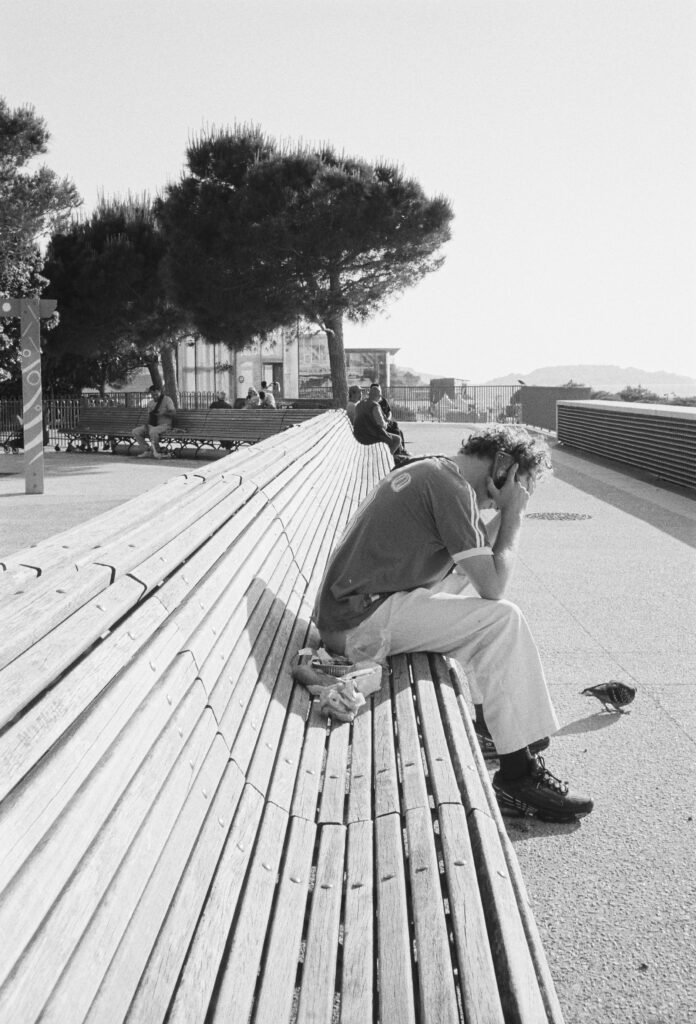
When most people picture anxiety, they think of visible worry, nervousness, or fear. But in men, anxiety frequently wears a different mask entirely, it comes out as anger, irritability, physical symptoms, or overworking. This mismatch between what anxiety “should” look like and how it shows up in men means it often goes unrecognised for years, even by the man experiencing it.
This guide covers how anxiety presents in men, why it looks different, and how to get help. It’s a topic worth taking seriously and treating with care.
Below are the anxiety symptoms in men that tend to be missed, and the treatments that help.
Why Anxiety Looks Different in Men
Anxiety is common, research suggests around 1 in 5 men will experience significant anxiety at some point, but it’s often underreported and underrecognised in men. The reason is largely social conditioning. Many men are raised to view vulnerability as weakness and to suppress fear or worry. So when anxiety arises, it doesn’t come out as an admitted feeling of being afraid or overwhelmed. Instead it gets externalised, expressed through behaviour and physical symptoms that feel more socially acceptable than open worry.
The most common form of this is anger. Because irritability and frustration align more with traditional masculine norms than fear does, anxiety in men frequently surfaces as a short temper. Research has found irritability is significantly associated with anxiety disorders in men. As one framing puts it, anger often acts as anxiety’s bodyguard, protecting a man from having to feel or express the more vulnerable emotion underneath.
This is why many men come to recognise their anxiety not through worry, but through what looks like an anger problem, unexplained physical symptoms, or a partner pointing out that something’s changed.
Anxiety Symptoms in Men: The Signs to Watch For
Anxiety in men tends to show up in these ways:
Emotional and behavioural
- Irritability and anger: snapping at loved ones, a short fuse, disproportionate reactions to small things. Often the most prominent sign.
- Feeling constantly on edge: wound up, unable to relax, always needing to be doing something.
- Emotional numbness: feeling flat or disconnected, going through the motions.
- Avoidance: dodging social situations, conversations, or responsibilities that trigger unease, gradually shrinking your world.
- Overworking or perfectionism: channelling anxiety into compulsive productivity.
- Increased drinking or substance use: self-medicating to quiet the noise, which becomes its own problem.
- Difficulty concentrating: racing thoughts, trouble focusing (see brain fog causes).
- Risk-taking: impulsive behaviour as a way to escape or feel in control.
Physical
Men often experience anxiety in the body first:
- Muscle tension: especially neck, shoulders, jaw
- Headaches
- Digestive problems: stomach issues, nausea
- Racing heart, sweating, restlessness
- Sleep disturbances: trouble falling or staying asleep (see how to increase deep sleep)
- Persistent fatigue that rest doesn’t fix
Men frequently seek help for these physical symptoms individually, a doctor for the headaches, something for the sleep, without recognising they may share a single root in anxiety.

The Overlap With Stress and Other Issues
Anxiety in men overlaps heavily with chronic stress (see chronic stress symptoms), and the two can blur together. It can also connect to other things: chronic anxiety disrupts sleep and can affect testosterone indirectly, and it commonly co-occurs with depression (see depression in men). Left unaddressed, anxiety tends to intensify and can lead to further problems, including increased drinking and relationship strain, which is why recognising it early matters.
Why It Matters, and Getting Help
Untreated anxiety doesn’t usually resolve on its own: it tends to build, straining relationships, harming work, and taking a physical toll as the nervous system stays stuck in fight-or-flight. The tendency of many men to handle it alone, rather than seek support, generally makes things worse.
The important message: anxiety is highly treatable, and seeking help is a sign of strength, not weakness. Effective approaches exist:
- Therapy: approaches like cognitive behavioural therapy (CBT) are well-evidenced and often show benefit within weeks.
- Lifestyle changes: regular exercise, consistent sleep, and limiting caffeine and alcohol reduce anxiety symptoms.
- Social connection: talking to someone you trust; isolation feeds anxiety (see men and loneliness).
- Professional support: a doctor or mental health professional can assess what’s going on and help you find the right path, including medication where appropriate.
If you recognise these patterns in yourself, that recognition is the important first step. You don’t have to push through it alone.
FAQ: Anxiety Symptoms in Men
Some quick answers on anxiety symptoms in men:
How does anxiety show up in men?
Often as anger, irritability, and physical symptoms (muscle tension, headaches, digestive issues, sleep problems) rather than obvious worry. It also appears as avoidance, overworking, emotional numbness, and increased drinking. Men tend to externalise anxiety rather than express it as fear.
Why does anxiety look like anger in men?
Because many men are conditioned to see vulnerability as weakness, anxiety gets expressed through anger and irritability, which feel more socially acceptable than fear. Anger often acts as a defence protecting against more vulnerable emotions.
Is anxiety common in men?
Yes, research suggests around 1 in 5 men experience significant anxiety at some point, though it’s often underreported and underrecognised because of how differently it presents.
How is anxiety in men treated?
It’s highly treatable through therapy (like CBT), lifestyle changes (exercise, sleep, limiting caffeine and alcohol), social connection, and professional support including medication where appropriate. Seeking help is a strength, not a weakness.
When should a man seek help for anxiety?
If anxiety symptoms, including persistent irritability, physical complaints, avoidance, or drinking to cope, are affecting your daily life, relationships, or wellbeing, speak to a professional. Earlier is better, as untreated anxiety tends to intensify.
The Bottom Line on Anxiety Symptoms in Men
The bottom line on anxiety symptoms in men: Anxiety in men often doesn’t look like anxiety, it looks like anger, irritability, muscle tension, headaches, poor sleep, overworking, or drinking to cope. Because men are frequently conditioned to suppress vulnerability, anxiety gets externalised rather than acknowledged, which is why it goes unrecognised for years. But it’s real, it’s common, and crucially, it’s highly treatable. If you see these patterns in yourself, recognising them is the first and most important step. Reaching out, to a professional, a doctor, or someone you trust, is a sign of strength, and effective help is available.
This article is for informational purposes only and does not constitute medical advice, diagnosis, or treatment. This is a sensitive topic. If you’re struggling with anxiety or your mental health, please reach out to a qualified mental health professional or someone you trust. If you’re in crisis, contact a crisis line such as 988 (US Suicide and Crisis Lifeline) or your local emergency services. You are not alone, and support is available.