

Most men are surprisingly bad at recognising their own stress. Not the acute, obvious kind, a deadline or an argument, but the chronic, low-grade stress that becomes a permanent background hum. It rarely announces itself as “stress.” Instead it shows up as a bad back, a short temper, poor sleep, or a stubborn gut, and men treat these chronic stress symptoms separately without spotting the common root. Left unaddressed, chronic stress quietly erodes health in ways that matter.
This guide covers the chronic stress symptoms men tend to overlook, why they’re easy to miss, and why taking them seriously matters.
Many men lean on cigarettes when stress builds. If that is you, see how to quit smoking with the methods that have the strongest evidence.
Here are the chronic stress symptoms men most often miss, and what to do about them.
Why Men Miss Their Own Stress
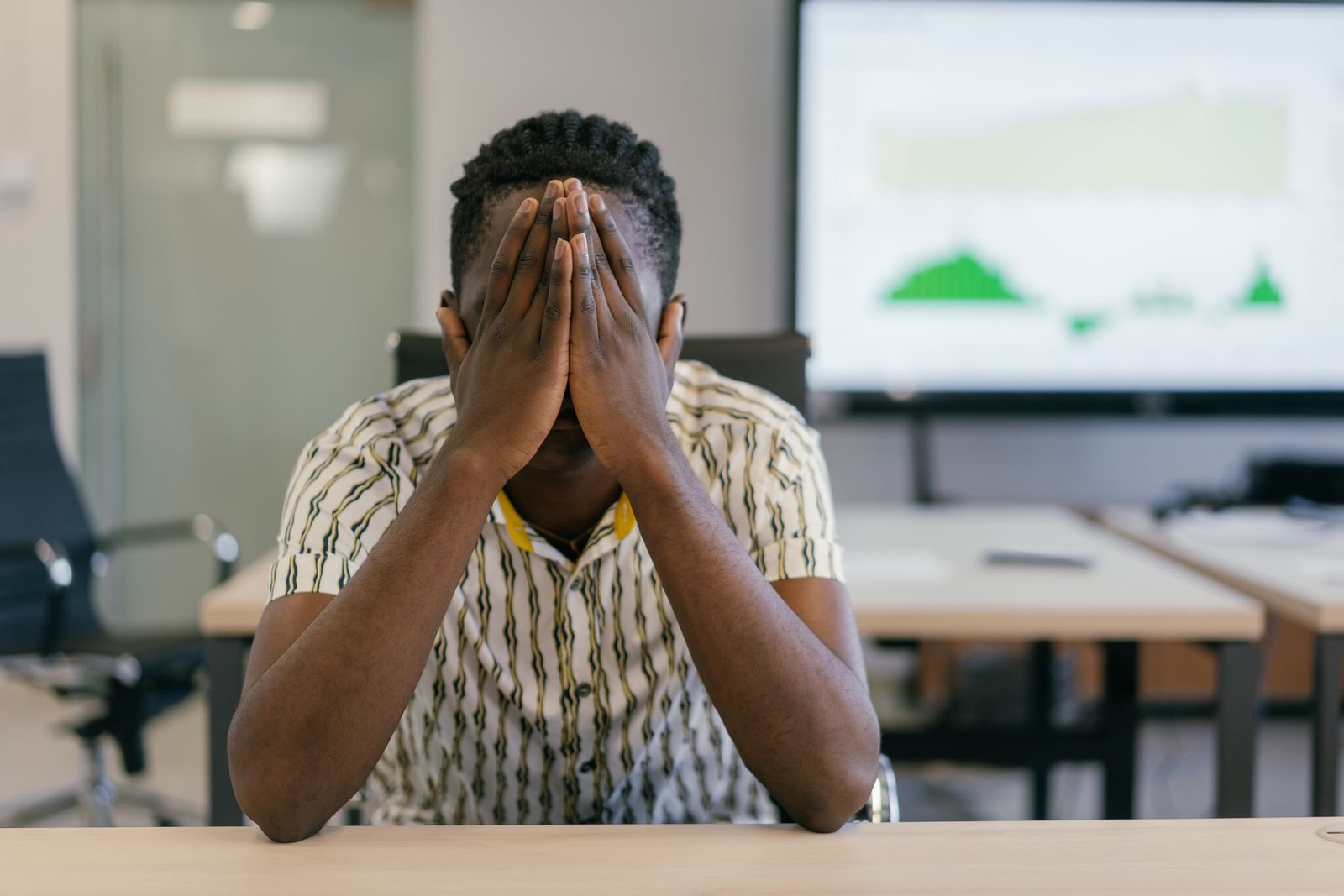
There’s a pattern worth naming. Men are often conditioned to push through, to see stress as weakness, and to not examine their emotional state too closely. So chronic stress gets externalised, it comes out as physical complaints or irritability rather than an acknowledged feeling of being overwhelmed. A man will see a doctor about his headaches, his sleep, or his stomach without ever connecting them to stress.
The result: chronic stress in men frequently hides in plain sight, treated symptom by symptom while the underlying driver runs unchecked. Recognising the pattern is the first step.
Chronic Stress Symptoms: The Physical Signs
Chronic stress lives in the body, and these physical signs are among the most overlooked:
- Muscle tension and aches: persistent tightness in the neck, shoulders, jaw, or back. Chronic stress keeps muscles clenched.
- Headaches: tension headaches are a classic stress signal.
- Digestive issues: stomach problems, changes in appetite, or gut discomfort. The gut is highly sensitive to stress.
- Fatigue that rest doesn’t fix: feeling drained despite adequate sleep, as the constant stress response burns through your reserves.
- Disrupted sleep: trouble falling asleep, waking in the night, or unrefreshing sleep, often from a racing mind (see how to increase deep sleep).
- A racing heart or elevated blood pressure: the body stuck in a low-level fight-or-flight state (see blood pressure by age for men).
- Getting sick more often: chronic stress suppresses immune function.
- Stubborn belly fat: via elevated cortisol (see cortisol and belly fat).
Men often chase each of these individually. The tell is when several appear together: that’s the pattern pointing to a shared root.
The Emotional and Behavioural Symptoms
Chronic stress in men often surfaces as behaviour and mood rather than an acknowledged feeling:
- Irritability and a short fuse: snapping at family or colleagues over small things. This is one of the most common ways male stress shows itself, and it’s frequently mistaken for an anger problem rather than recognised as stress.
- Feeling constantly “on” or unable to relax: a persistent sense of being wired, unable to switch off.
- Difficulty concentrating: brain fog, forgetfulness, trouble focusing (see brain fog causes).
- Emotional numbness or withdrawal: feeling flat, disengaged, or pulling away from people.
- Low motivation and drive: losing interest in things that used to matter.
- Increased drinking: using alcohol to “take the edge off,” which becomes its own problem (see alcohol and belly fat).
- Overworking: channelling stress into compulsive productivity, which looks like dedication but is often avoidance.
The irritability point is especially important: partners and family often notice a man’s stress, through his short temper and withdrawal, before he recognises it himself.
Why It Matters
Chronic stress isn’t just unpleasant: it has real health consequences that accumulate over time:
- Cardiovascular strain: chronic stress is linked to high blood pressure and heart disease risk.
- Hormonal effects: sustained high cortisol suppresses testosterone in men, affecting energy, libido, mood, and muscle (see high cortisol vs low cortisol in men).
- Weight gain: particularly the visceral belly fat that carries its own health risks.
- Sleep disruption: which cascades into nearly every other area of health.
- Mental health: prolonged stress raises the risk of anxiety and depression (see anxiety symptoms in men).
- Weakened immunity and increased inflammation.
The through-line: chronic stress accelerates many of the processes that undermine long-term health. It’s not a badge of a hard-working life. It’s a real health risk worth addressing.
What to Do About It
The encouraging part is that chronic stress responds well to deliberate action:
- Name it first. Simply recognising that your physical symptoms and irritability may share a root in stress is a powerful start.
- Build in real recovery: daily walks, breathing practices, time outdoors, prayer or meditation. Consistency matters more than intensity.
- Protect your sleep: the foundation that everything else rests on (see why men sleep worse after 30).
- Move your body: regular moderate exercise is one of the best-evidenced stress reducers, though avoid overtraining, which adds stress.
- Address the source: where possible, reduce the load: workload, overcommitment, or whatever keeps the stress switched on.
- Talk to someone: a friend, partner, or professional. Men’s tendency to handle it alone tends to make things worse. Reaching out is a strength, not a weakness.
- Seek help if it’s persistent: if stress is significantly affecting your life, mood, or health, a doctor or mental health professional can help.
What Else Looks Like Stress
Every symptom above is real, and stress does cause all of them. The problem is that stress is not the only thing that does, and it is the explanation men reach for first because it asks nothing of them except carrying on.
This matters more than it sounds. Fatigue, low mood, broken sleep, weight gain around the middle and a flat libido are the shared symptom set of several conditions that are easy to test for and treatable once found. Deciding it is stress and waiting for a quieter quarter is how men lose years to something a blood test would have caught in a fortnight.
The usual suspects
An underactive thyroid. Tiredness, weight gain, feeling cold, low mood and slowed thinking. It overlaps with stress almost completely, and it is identified with a single blood test.
Low testosterone. Fatigue, irritability, reduced motivation, low libido and loss of muscle. Stress can suppress testosterone, so these are not mutually exclusive, but they call for different responses. See the signs of low testosterone for what testing involves.
Sleep apnoea. If you wake unrefreshed no matter how long you spend in bed, and particularly if anyone has commented on your snoring, this belongs on the list ahead of stress. More in why men sleep worse after 30.
Depression. Worth naming carefully, because the picture in men is not simply a quieter version of the standard one. Men with depression more often report anger attacks, overreaction to small irritations, poorer impulse control, early morning waking and increased drinking. Research also finds that men report more symptoms that fall outside the standard diagnostic criteria altogether, which is one reason depression in men is under-diagnosed. See depression in men.
Anaemia and undiagnosed diabetes. Both produce persistent fatigue, and both show up on routine blood work.
What to do with this
You do not need to work out which one it is. That is not your job and you are badly placed to do it. What you need is a baseline: a GP appointment and a standard panel covering thyroid function, full blood count, HbA1c and, if the symptoms fit, a morning testosterone reading.
If it all comes back normal, that is not a wasted trip. It is a real answer, and it means the stress explanation is now an informed conclusion rather than an assumption you made because it was the easiest one available.
FAQ: Chronic Stress Symptoms
What are the signs of chronic stress in men?
Often physical (muscle tension, headaches, digestive issues, fatigue, poor sleep) and behavioural (irritability, feeling constantly “on,” poor concentration, withdrawal, increased drinking, overworking) rather than acknowledged worry. Men frequently treat these symptoms separately without spotting the shared root.
Why do men overlook their own stress?
Men are often conditioned to push through and see stress as weakness, so it gets externalised as physical complaints or irritability rather than a recognised feeling. This lets chronic stress hide in plain sight.
Can stress cause physical symptoms?
Absolutely. Chronic stress causes muscle tension, headaches, digestive problems, fatigue, disrupted sleep, elevated blood pressure, and more. The body holds stress, which is why physical symptoms are often the first sign.
How does chronic stress affect men’s health?
It’s linked to high blood pressure and heart disease, suppresses testosterone, drives belly fat, disrupts sleep, weakens immunity, and raises the risk of anxiety and depression. The effects accumulate over time.
How do I know if my stress is a problem?
If several stress symptoms appear together, persist, and affect your daily life, mood, relationships, or health, it’s worth taking seriously, and worth speaking to a professional about.
The Bottom Line on Chronic Stress Symptoms
The bottom line on chronic stress symptoms: Chronic stress in men rarely shows up as obvious worry, it hides behind muscle tension, headaches, poor sleep, a short temper, and stubborn belly fat, which men tend to treat as separate problems while the real driver runs unchecked. That matters, because sustained stress undermines your heart, hormones, sleep, weight, and mental health over time. The first step is simply recognising the pattern; the next is deliberate recovery, sleep, movement, stress-reduction practices, and reaching out rather than pushing through alone. Taking your stress seriously isn’t weakness. It’s one of the more important things a man can do for his long-term health.
This article is for informational purposes only and does not constitute medical advice. This is a sensitive topic, if you’re struggling with stress or your wellbeing, please reach out to a qualified healthcare professional or someone you trust. Support is available.
Sources
- Martin LA et al. The experience of symptoms of depression in men vs women: analysis of the National Comorbidity Survey Replication. JAMA Psychiatry, 2013
- McEwen BS. Protective and damaging effects of stress mediators. N Engl J Med, 1998
- Steptoe A et al. Stress and cardiovascular disease. Nat Rev Cardiol, 2012
- A Hypothesis of Gender Differences in Self-Reporting Symptom of Depression: under-diagnosis and under-treatment of depression in men.
- Anger attacks in depression: evidence for a male depressive syndrome.