
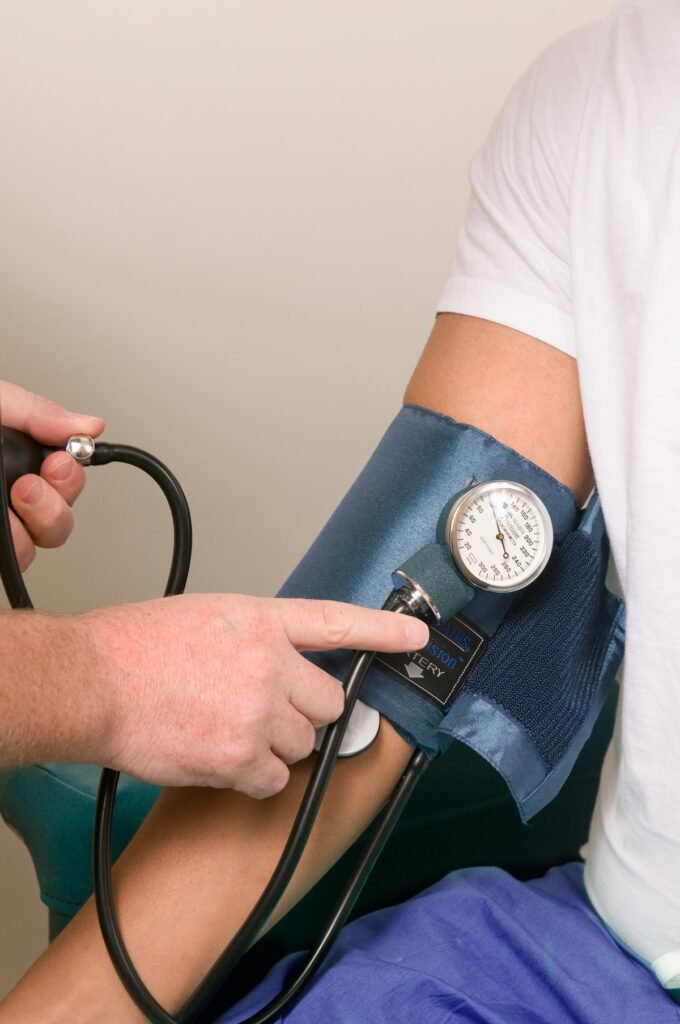
Blood pressure by age for men is one of the most searched health topics online, and for good reason: it’s the health number most likely to cause you serious harm while feeling completely fine. It rarely produces symptoms until something goes badly wrong, which is why high blood pressure earned its nickname: the silent killer. Plenty of men first learn theirs is dangerously high only after a heart attack or stroke.
The good news is that it’s one of the easiest numbers to check and one of the most responsive to lifestyle change. This guide explains what the numbers mean, what counts as normal for men by age, why the targets aren’t really about age at all, and what moves the needle.
If your readings are creeping up, see how to lower blood pressure naturally for the diet, salt and exercise changes with the strongest trial evidence.
What the Two Numbers Mean
Blood pressure is written as two numbers, for example 120/80 mmHg (“120 over 80”).
- The top number (systolic) is the pressure in your arteries when your heart beats and pushes blood out. It’s the higher of the two.
- The bottom number (diastolic) is the pressure when your heart rests between beats.
Both matter, though in older adults the systolic (top) number tends to be the more important predictor of risk. Blood pressure is measured in millimetres of mercury (mmHg), a unit that’s stuck around from old mercury-based gauges.
The Blood Pressure Categories
Rather than memorising age charts, it’s more useful to know the standard categories, which apply to adults generally:
| Category | Systolic (top) | Diastolic (bottom) |
|---|---|---|
| Normal | Below 120 | and below 80 |
| Elevated | 120 to 129 | and below 80 |
| High (Stage 1) | 130 to 139 | or 80 to 89 |
| High (Stage 2) | 140 or higher | or 90 or higher |
| Hypertensive crisis | Above 180 | and/or above 120 |
A normal reading is below 120/80. Once you’re consistently at or above 130/80, you’re into high blood pressure (hypertension) territory under current guidelines. A hypertensive crisis (above 180/120) is a medical emergency, especially with symptoms like chest pain, shortness of breath, or vision changes.
Blood Pressure by Age for Men: The Truth
Here’s the part that cuts against a lot of online charts: the healthy target doesn’t really change with age. You’ll find charts online showing higher “normal” ranges for older men, but these typically reflect what’s average for that age, not what’s healthy. And because high blood pressure becomes more common with age, the average drifts upward into unhealthy territory.
The reality:
- Blood pressure does tend to rise with age, largely as arteries stiffen over time. This is common, but common isn’t the same as healthy.
- The target remains broadly the same: most adults benefit from keeping blood pressure below 130/80, with below 120/80 being ideal.
- This means an older man whose blood pressure has crept up to 140/90 has high blood pressure that’s worth treating, not a “normal for his age” reading to shrug off.
So while it’s true that more men develop high blood pressure as they get older, don’t let “it goes up with age” become an excuse to accept a number that raises your risk. Your 60-year-old arteries benefit from a healthy blood pressure just as much as your 30-year-old ones did.
Why It’s the “Silent Killer”
High blood pressure usually has no symptoms. You can’t feel it. Meanwhile, the constant excess force damages your arteries and strains your heart, quietly raising your risk of:
- Heart attack and heart failure
- Stroke
- Kidney damage
- Vision problems
- Reduced blood flow affecting many organs
Because there are no warning signs, the only way to know your number is to measure it. This is why regular blood work matters even when you feel perfectly healthy, and especially when you feel perfectly healthy.
How to Measure It Properly
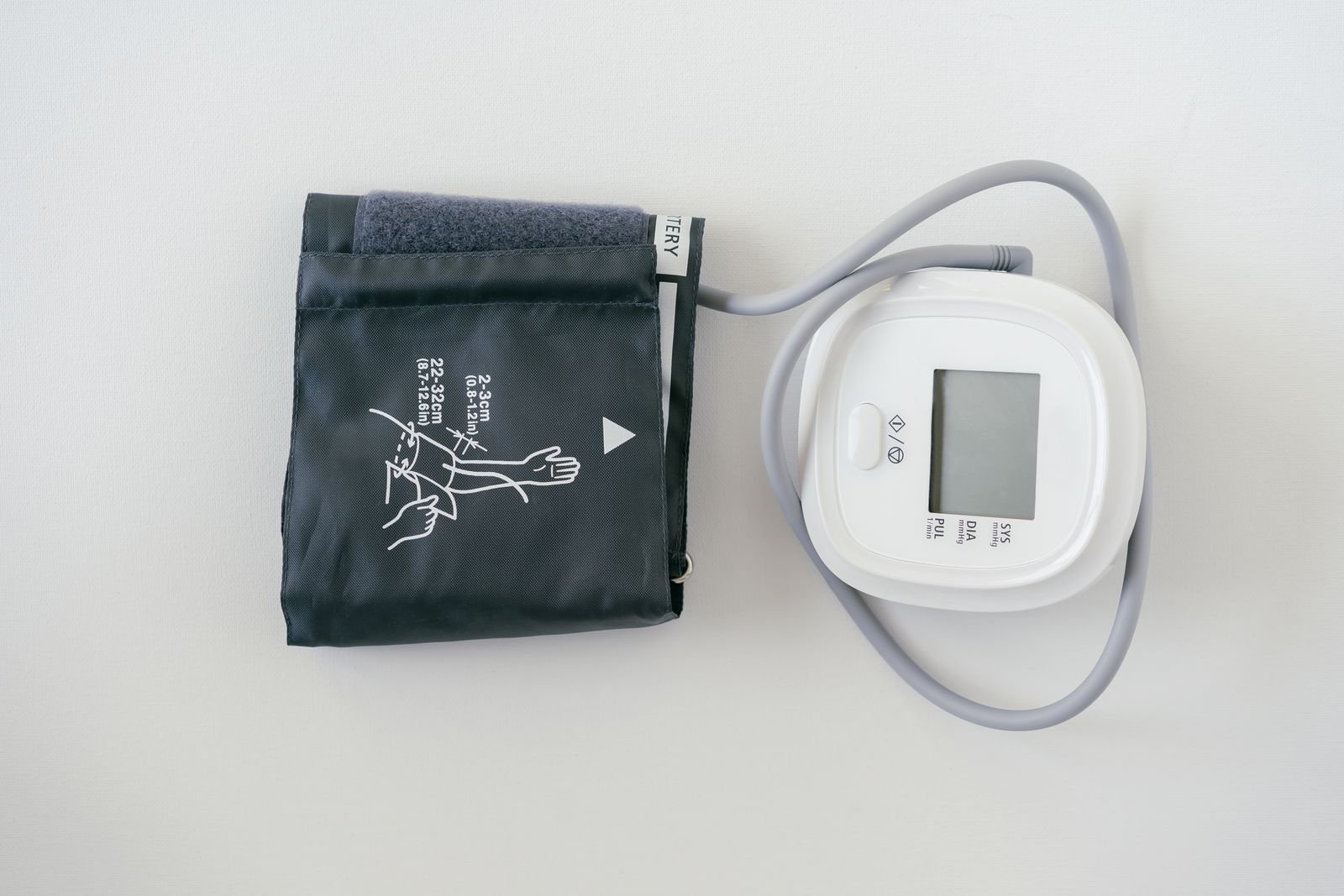
Whether at a pharmacy, doctor’s office, or with a home monitor, a few things improve accuracy:
- Sit and rest for five minutes before measuring
- Keep your back supported, feet flat, arm at heart level
- Avoid caffeine, exercise, and smoking for at least 30 minutes beforehand
- Don’t talk during the measurement
- Take two or three readings a minute apart and average them
- A single high reading isn’t a diagnosis: blood pressure fluctuates, so it’s the consistent pattern over multiple readings that matters
Home monitors are inexpensive and useful, since some men get falsely high readings at the doctor’s (“white coat hypertension”).
How to Lower Your Blood Pressure
Lifestyle changes are powerful here and are the first-line approach for elevated and stage 1 readings:
- Lose excess weight: one of the most effective single changes, especially losing belly fat
- Reduce sodium: cut back on processed and restaurant food, where most dietary salt hides
- Exercise regularly: both aerobic work (including zone 2 cardio) and resistance training lower blood pressure over time
- Limit alcohol, since heavy drinking raises blood pressure
- Eat more potassium-rich foods: fruits, vegetables, beans (unless a doctor advises otherwise)
- Manage stress and prioritise sleep, since chronic stress and poor sleep both elevate blood pressure
- Don’t smoke, since it damages arteries and raises pressure
These same habits improve nearly every other health marker too, your resting heart rate, your waist-to-height ratio, your cardiovascular fitness. When lifestyle change isn’t enough, effective medications exist, and the decision to use them is one to make with your doctor based on your numbers and overall risk.
FAQ: Blood Pressure by Age for Men
What is a normal blood pressure for a man?
Below 120/80 mmHg is normal. Consistently at or above 130/80 is considered high under current guidelines. This target applies broadly across adult ages.
Does blood pressure naturally increase with age?
It tends to, as arteries stiffen, but that’s a common trend, not a healthy target. Most men benefit from keeping below 130/80 regardless of age, rather than accepting higher “average for age” numbers.
Can high blood pressure be felt?
Usually not: it typically has no symptoms, which is why it’s called the silent killer. The only reliable way to know is to measure it.
What should I do about one high reading?
Don’t panic over a single reading, since blood pressure fluctuates. Re-measure under proper conditions over several days. A consistent pattern at or above 130/80 is something to discuss with a doctor. A reading above 180/120, especially with symptoms, needs urgent care.
How quickly can lifestyle changes lower blood pressure?
Some changes (reducing sodium, losing weight, exercising) can show measurable improvement within weeks, though the full benefit builds over months of consistency.
The Bottom Line on Blood Pressure by Age for Men
Blood pressure is the silent killer for a reason: it can do years of damage without a single symptom. The numbers to know are simple: below 120/80 is ideal, and 130/80 or above is high. Don’t be fooled by age-based charts that normalise higher readings; the healthy target stays roughly the same throughout adult life, even as blood pressure tends to drift up. Check it regularly even when you feel fine, and if it’s elevated, the same fundamentals that improve every other health marker (losing belly fat, exercising, cutting salt and alcohol, managing stress) are remarkably effective at bringing it down.
This article is for informational purposes only and does not constitute medical advice. Consult a qualified healthcare professional about your blood pressure and before making changes to any prescribed treatment.