

If you want to know how to lower blood pressure naturally, the good news is that the evidence is unusually strong. The changes that work are not exotic: less salt, more potassium, a better overall diet, regular exercise, a lighter drinking habit and, if you carry extra weight, losing some of it. In controlled trials, combining them produced some of the largest drops seen from any lifestyle change.
This guide ranks the main options by how much evidence sits behind them and how big the effect is, with numbers from the trials. It is for men who have elevated or stage 1 blood pressure and want to bring it down, or who already take medication and want to do more alongside it.
When this is an emergency: a reading higher than 180/120 with chest pain, shortness of breath, back pain, numbness, weakness, a change in vision or difficulty speaking needs a 911 call. A reading that high without symptoms still needs a call to your doctor the same day. Do not use lifestyle changes as a reason to stop or skip prescribed blood pressure medicine.
In this guide
Know where you stand first
The current AHA and ACC categories are: normal is under 120/80; elevated is 120 to 129 systolic with diastolic under 80; stage 1 high blood pressure is 130 to 139 systolic or 80 to 89 diastolic; and stage 2 is 140 or higher, or 90 or higher. Our guide to what your blood pressure numbers mean explains each category in detail, and blood pressure by age for men shows how readings typically shift as you get older.
Before changing anything, get a reliable baseline. One reading in a doctor’s office can be misleading in either direction. Measure at home for a week: sit with your back supported and feet flat, rest your arm at heart level, stay quiet and still, and take readings at the same times each day. That baseline lets you see whether what you change is working.
High blood pressure is the leading risk factor for stroke and a major driver of heart attack, heart failure and atrial fibrillation, so this is one of the most useful numbers you can move. It sits at the centre of our complete guide to heart health for men.
The DASH diet: the best-tested eating plan
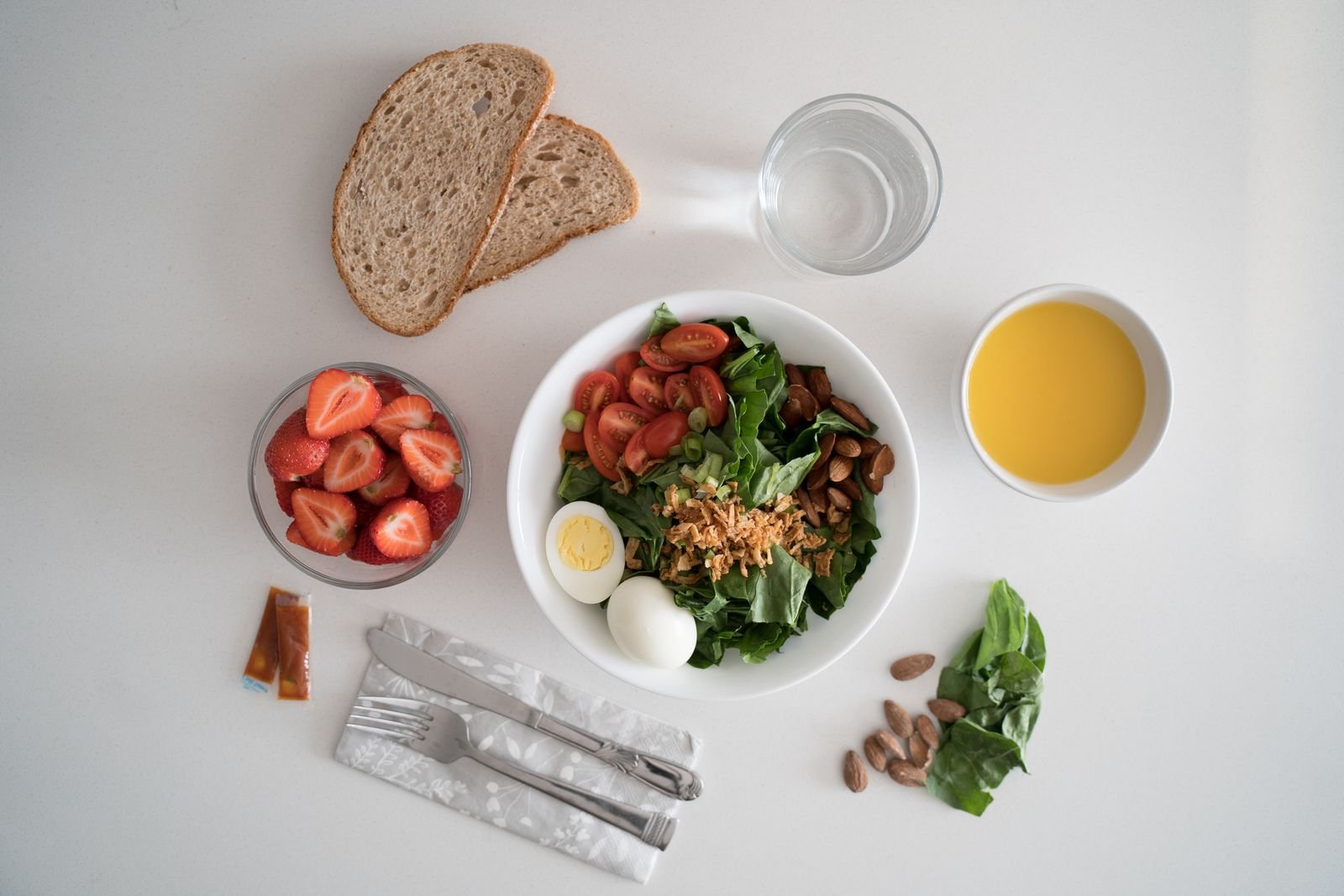
DASH stands for Dietary Approaches to Stop Hypertension. It was designed in trials specifically to lower blood pressure, and it is the eating pattern the American Heart Association recommends. It is built around vegetables, fruit, whole grains, legumes, nuts and seeds and low-fat dairy, with fish, poultry and lean meat, cooking with non-tropical oils, and less red meat, sugar and salt.
The key trial is DASH-Sodium, published in the New England Journal of Medicine in 2001. It randomly assigned 412 adults to either the DASH diet or a typical American diet, and within each diet tested high, intermediate and low sodium levels for 30 days each. Compared with the typical diet at high sodium, the DASH diet with low sodium lowered systolic pressure by 7.1 mm Hg on average in people without high blood pressure and by 11.5 mm Hg in people with it.
Two lessons from that trial matter in practice. First, diet and salt worked together: the combination beat either change on its own. Second, the effect was larger in people who started with higher blood pressure, which is good news if your numbers are already up.
Cut salt, and know where it hides
The AHA recommends no more than 2,300 mg of sodium a day, about one teaspoon of salt, and an ideal limit of under 1,500 mg for most adults. Many people eat more than that without realising, because so much of it is already in everyday foods.
In the DASH-Sodium trial, cutting sodium from the high level to the intermediate level lowered systolic pressure by 2.1 mm Hg on the typical diet, and cutting further to the low level lowered it by another 4.6 mm Hg. On the DASH diet, where pressure was already lower, the same steps added smaller drops of 1.3 and 1.7 mm Hg. In other words, salt matters most if the rest of your diet is not yet in good shape.
Practical ways to cut it:
- Read labels. Bread, cured meats, cheese, sauces, soups, ready meals and restaurant food are common sources. Compare brands; the difference between two loaves or two jars of sauce can be large.
- Cook more of your own food. It is the single easiest way to control how much salt goes in.
- Cut back on processed meat. Bacon, ham and salami are salty as well as being the clearer concern for other reasons (see is red meat bad for you).
- Use other flavours. Herbs, spices, citrus, garlic and vinegar make it easier to use less salt without food tasting flat.
Eat more potassium (and consider a salt substitute)
Potassium is the other half of the salt story. According to the AHA, it helps your body get rid of sodium through urine and eases tension in blood vessel walls. The AHA recommends 3,500 to 5,000 mg of potassium a day for preventing or treating high blood pressure, ideally from food. A medium banana has about 451 mg; other good sources include potatoes, spinach, beans, yogurt, oranges and fish.
Salt substitutes: strong trial evidence
Potassium-based salt substitutes replace some of the sodium chloride with potassium chloride. The best evidence comes from the Salt Substitute and Stroke Study (SSaSS), published in the New England Journal of Medicine in 2021. It followed 20,995 people in rural China who had a history of stroke or were 60 or older with high blood pressure, for an average of almost five years. Villages using a salt substitute (75% sodium chloride, 25% potassium chloride) had a lower rate of stroke than villages using regular salt, with a rate ratio of 0.86, along with lower rates of major cardiovascular events and death from any cause. Serious problems from high potassium were not significantly more common.
That is unusually strong evidence for a simple kitchen swap, and it matters most if much of your salt comes from home cooking. The important caution: potassium can be harmful in people with kidney disease, conditions that affect how the body handles potassium, or some medicines. The AHA advises checking with your doctor before using a salt substitute or a potassium supplement, especially in those situations.
Exercise, including the surprising winner
Every main type of exercise lowers resting blood pressure. The largest analysis to date, published in the British Journal of Sports Medicine in 2023, pooled 270 randomised trials with 15,827 participants. Compared with no exercise, the average reductions in systolic and diastolic pressure were:
| Type of training | Average drop in systolic / diastolic (mm Hg) |
|---|---|
| Isometric exercise (static holds) | 8.24 / 4.00 |
| Combined aerobic and resistance training | 6.04 / 2.54 |
| Dynamic resistance training (weights) | 4.55 / 3.04 |
| Aerobic exercise | 4.49 / 2.53 |
| High-intensity interval training | 4.08 / 2.50 |
The surprise is isometric exercise, where you hold a muscle contraction without moving, such as a wall sit or a plank. It ranked first for systolic pressure, and within it the isometric wall squat was the most effective single option. Running ranked best for diastolic pressure. These are simple to add: a few wall sits fit into any day without equipment.
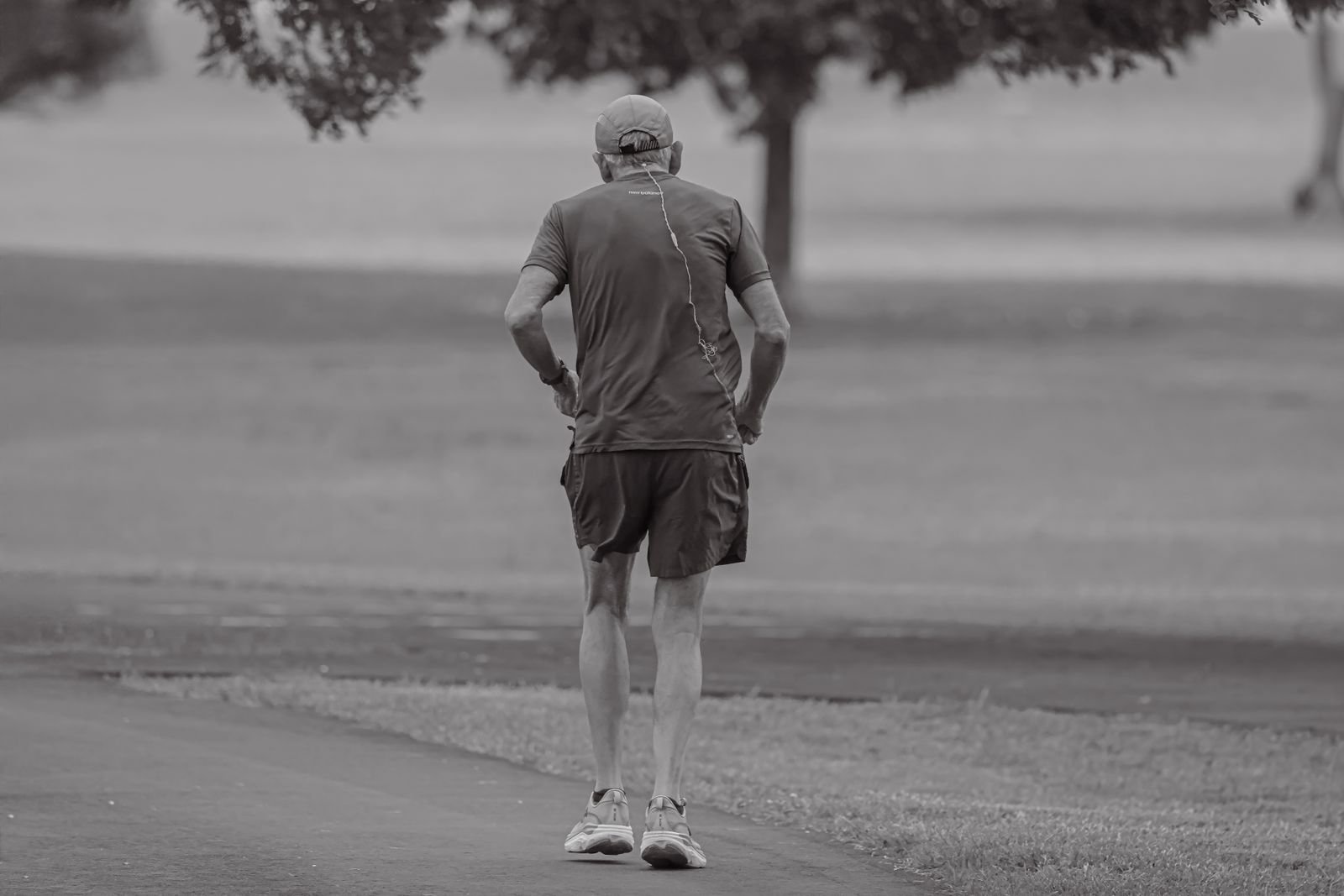
That does not mean you should drop everything else. Aerobic exercise and weights bring wider benefits for fitness, weight, blood sugar and mood, and the best overall plan combines them. The AHA’s baseline is 150 minutes of moderate activity or 75 minutes of vigorous activity a week. Steady zone 2 cardio is an easy way to build up to that. If your blood pressure is very high or not yet controlled, check with your doctor before starting hard training, including heavy isometric holds.
Lose a little weight
If you carry extra weight, you do not need a dramatic change to see a difference. The AHA notes that losing about 5% of your body weight can help lower or prevent high blood pressure. For a 200 lb man, that is 10 lb. Most of the habits above, such as more vegetables, less processed food and more activity, push weight in the right direction anyway, so this tends to follow when the rest is in place.
Drink less
The AHA’s advice for blood pressure is to drink less alcohol or none. Regular drinking can raise blood pressure, adds calories and makes weight harder to manage. If you drink most days, cutting back is one of the faster ways to see your readings move, and our guide to alcohol and belly fat covers the weight side. If you drink heavily every day and want to stop, talk to a doctor first: stopping suddenly after heavy daily drinking can cause withdrawal that needs medical support.
Sleep, stress and smoking
Sleep and sleep apnea
Most adults need 7 to 9 hours of sleep a night. Sleep apnea, where breathing repeatedly stops and starts during sleep, is one of the conditions the AHA lists as able to lead to high blood pressure, along with overweight, diabetes and thyroid problems. If you snore loudly, wake unrefreshed or have been told you stop breathing at night, read our guide to sleep apnea symptoms in men and ask your doctor about testing. Treating an underlying cause can matter more than any single habit.
Stress
The AHA suggests stress-reducing activities, including meditation, breathing control and yoga, as part of managing blood pressure. The effect of these on their own is smaller than diet or exercise, but stress shapes how you sleep, eat and drink, so build it in anyway. See how to manage stress for approaches with evidence behind them.
Smoking
Smoking is one of the three key heart disease risk factors the CDC names, alongside high blood pressure and high cholesterol, so having both adds up. If you smoke, stopping is one of the most valuable changes you can make for your heart, and a doctor or quit line can help you plan it.
A four-week plan to lower blood pressure naturally
Trying to change everything at once rarely lasts. This sequence adds one layer a week and lets you measure as you go.
- Week 1: Measure and swap. Take home readings morning and evening to set your baseline. Start reading labels and replace your three saltiest regular foods with lower-sodium versions. If your doctor agrees, switch your kitchen salt to a potassium-based substitute.
- Week 2: Add the DASH foods. Aim for vegetables or fruit at every meal, swap refined grains for whole grains, and add beans, nuts or yogurt most days.
- Week 3: Move every day. Build toward 150 minutes of moderate activity a week, and add a few wall sits or planks most days if your doctor is happy for you to do so.
- Week 4: Alcohol and sleep. Set alcohol-free days, protect 7 to 9 hours of sleep, and compare your average home readings with week 1.
Give it time. Diet changes in DASH-Sodium were tested over 30-day periods, and exercise trials usually ran for weeks to months. If your readings are still above your target after a fair trial, the next step is a conversation with your doctor, not more willpower. Many men need medication as well as lifestyle changes, and the two work together.
Frequently asked questions
How fast can you lower blood pressure naturally?
Diet and salt changes can show up within a few weeks; the DASH-Sodium trial measured clear effects after 30-day feeding periods. Exercise effects build over weeks to months. Track your average home readings rather than a single number.
What is the single best natural way to lower blood pressure?
There is no single best change, which is why combining them works so well. The biggest average effects in trials came from the DASH diet with low sodium and from isometric exercise. For most men, cutting salt, eating DASH-style and exercising regularly gives the largest combined drop.
Can you lower blood pressure without medication?
Often, yes, especially if it is elevated or stage 1. The combined effect of diet, salt reduction, exercise, weight loss and drinking less can be substantial. Whether you also need medication depends on your numbers and your overall heart risk, which is a decision to make with your doctor. Never stop prescribed medicine without talking to them.
Are salt substitutes safe?
For most people, the SSaSS trial found that a potassium-based substitute lowered stroke and death rates without a significant rise in serious potassium problems. People with kidney disease, conditions affecting potassium or some medicines should check with a doctor first, as the AHA advises.
The bottom line
Learning how to lower blood pressure naturally comes down to a handful of changes with strong evidence: eat DASH-style, cut sodium and get more potassium, exercise most days with some isometric holds, lose a little weight if you need to, drink less and sleep well. Measure at home so you can see the effect, and work with your doctor if your numbers stay above target.
This article is for general information and is not medical advice. Speak to a doctor before changing any treatment, and before using salt substitutes or potassium supplements if you have kidney disease or take regular medicines.
Sources
- Sacks FM et al. Effects on blood pressure of reduced dietary sodium and the DASH diet. N Engl J Med, 2001
- Edwards JJ et al. Exercise training and resting blood pressure: a large-scale pairwise and network meta-analysis of randomised controlled trials. Br J Sports Med, 2023
- Neal B et al. Effect of salt substitution on cardiovascular events and death. N Engl J Med, 2021
- American Heart Association: Top 10 Things to Know About the AHA/ACC High Blood Pressure Guideline
- American Heart Association: How Potassium Can Help Prevent or Treat High Blood Pressure
- American Heart Association: Life’s Essential 8