
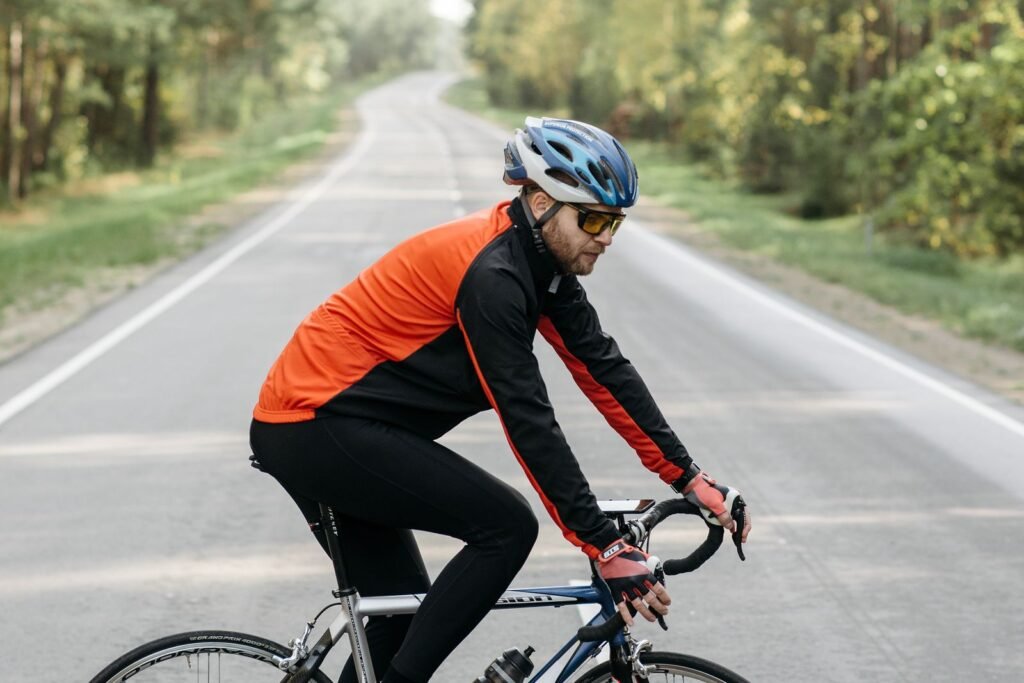
Cycling is excellent exercise, great for cardiovascular fitness, low-impact on the joints, and enjoyable. But men often hear worrying claims that cycling harms the prostate, causes erectile problems, or affects fertility. So is there truth to these concerns, or is cycling perfectly safe? The answer is nuanced: cycling is a healthy activity with real benefits, but there are some legitimate considerations around the pressure it puts on the perineal area, and simple adjustments largely address them. This guide gives you the balanced picture.
The Concern: Perineal Pressure
The concern with cycling centres on the perineum, the area between your sit bones (and near the prostate, nerves, and blood vessels involved in sexual function). When you sit on a traditional bike saddle, your body weight can press on this area, potentially compressing nerves and blood vessels.
The theoretical worries are that prolonged, repeated perineal pressure could:
- Contribute to erectile issues (by affecting nerves and blood flow to the genital area, see erectile dysfunction causes)
- Cause numbness in the genital area
- Potentially irritate the prostate or affect the perineal region
These concerns aren’t baseless, prolonged pressure on this sensitive area can have effects. But the key questions are how significant the risk is, and whether it can be mitigated (it largely can).
What the Evidence Shows
A balanced summary:
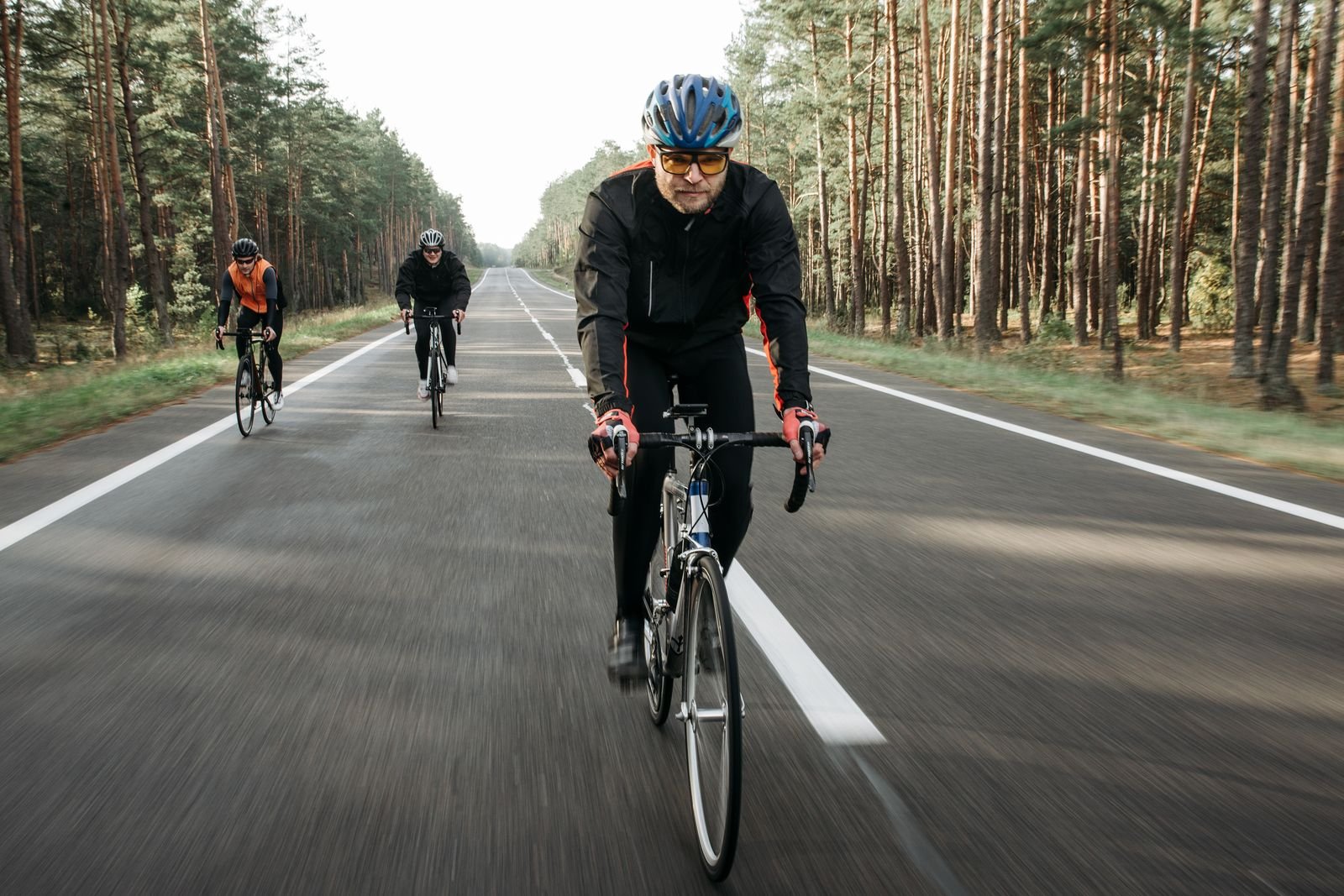
Cycling is generally healthy and the benefits are real. For most recreational cyclists, cycling is a healthy activity whose cardiovascular and fitness benefits (see zone 2 cardio and how to improve VO2 max) are significant, and it supports the cardiovascular and metabolic health that erections and prostate health depend on. So the overall picture for cycling is positive.
The main documented concerns relate to high-volume cycling and saddle pressure. The evidence for problems (like erectile issues or genital numbness) is mostly associated with prolonged, high-volume cycling (long hours on the bike, as in serious/competitive cyclists) with a poorly-fitted saddle, rather than moderate recreational riding. Genital numbness during long rides is a real phenomenon and a sign of too much perineal pressure.
Concerns about the prostate specifically are less established. While cycling can raise PSA levels temporarily (which matters for PSA testing, see the PSA test), the idea that cycling causes prostate disease or cancer isn’t well-supported. The clearer concerns are about perineal pressure and its effects on nerves/blood flow (potentially erectile issues and numbness), not prostate disease.
Fertility concerns are limited. Some worry about heat and pressure affecting fertility, but for most recreational cyclists this isn’t a major established concern (though very high-volume cycling and factors like heat could theoretically play a minor role, see does testosterone affect sperm count for the broader fertility picture).
So the balanced take: cycling is a healthy activity, and the real (but manageable) concern is perineal pressure, mainly relevant for high-volume cyclists or those with poorly-fitted saddles, which can be largely addressed with simple adjustments.
How to Cycle Safely (Protecting the Perineum)
The good news is that the perineal pressure concern is largely addressable with simple measures, letting you enjoy cycling’s benefits while minimising any risk:
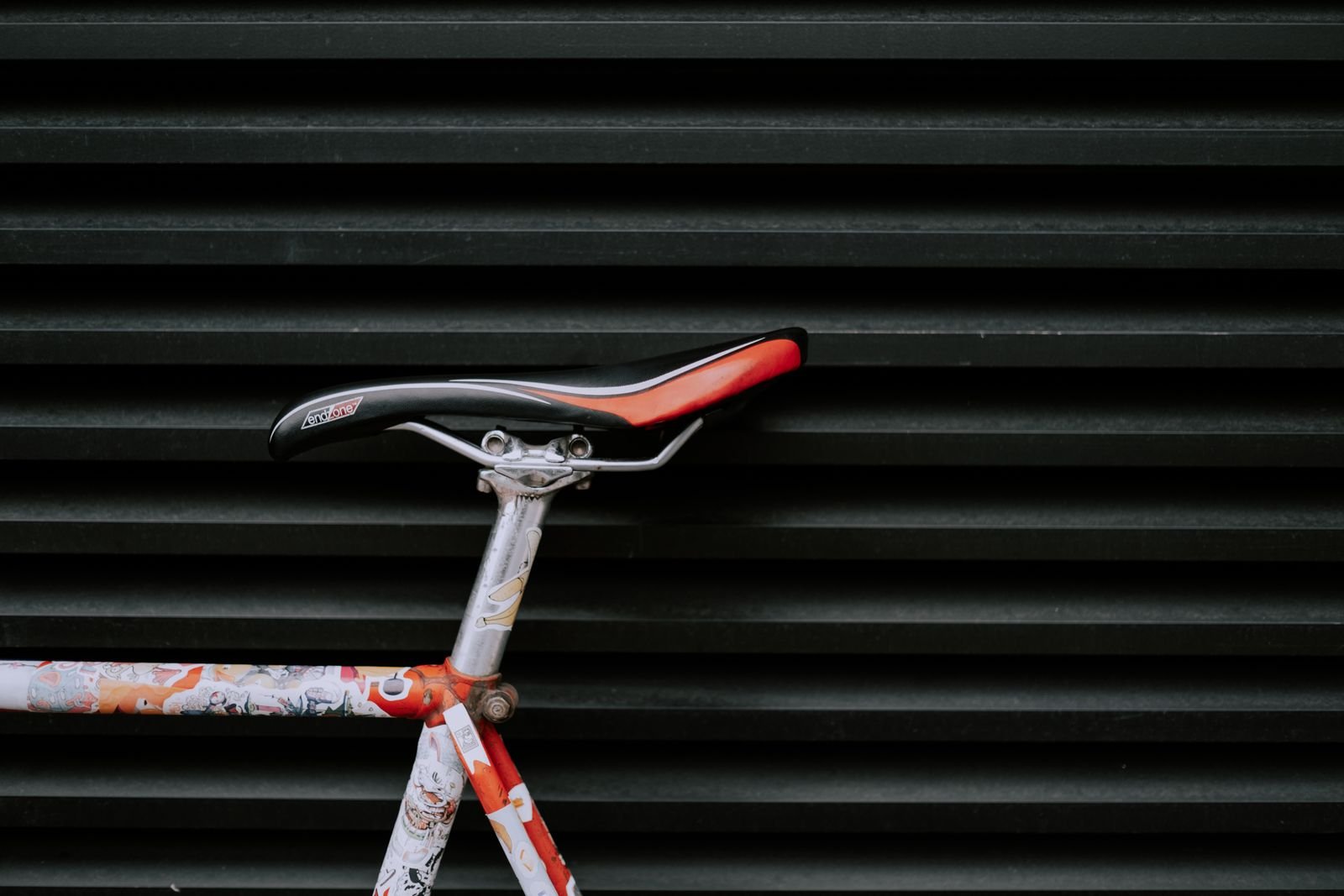
- Get a well-fitted, appropriate saddle. This is the biggest factor. Use a saddle designed to reduce perineal pressure, options include wider saddles, saddles with a central cutout or groove (which relieves pressure on the perineum), or noseless/split saddles. A good saddle that supports your sit bones rather than your perineum makes a big difference.
- Ensure proper bike fit. A correct bike fit (saddle height, position, and handlebar height) distributes your weight appropriately and reduces excessive perineal pressure. A professional bike fitting is worthwhile for regular cyclists.
- Adjust your position and take breaks. Standing up periodically during rides relieves perineal pressure, and shifting your position helps. On long rides, take breaks.
- Don’t ignore numbness. If you experience genital numbness while cycling, that’s a clear sign of too much perineal pressure, address it (change your saddle, fit, or position). Numbness is a warning sign, not something to push through.
- Wear proper cycling shorts (padded), which can help with comfort and pressure distribution.
- Moderate very high volumes if concerned. For most recreational riders this isn’t necessary, but the concerns are most relevant at very high cycling volumes.
With a well-fitted saddle and proper bike fit, most men can cycle regularly without significant perineal concerns, enjoying the substantial health benefits.
The Balanced Perspective
The sensible view: cycling is a healthy, beneficial activity, and for most recreational cyclists, it’s not something to fear for your prostate or sexual health, in fact, its cardiovascular benefits support the health that erections and prostate function depend on. The legitimate concern is perineal pressure, mainly relevant for high-volume cyclists or those with poorly-fitted saddles, and it can be largely addressed with a well-fitted saddle (especially one with a cutout), proper bike fit, and not ignoring numbness. So don’t let overblown fears stop you from cycling, but do use a good saddle and bike fit to protect the perineal area. And if you have persistent concerns (like erectile issues or numbness that doesn’t resolve with these adjustments), see a doctor (see erectile dysfunction causes).
What the Largest Study Found
A lot of the worry about cycling comes from small studies and single cases. A large multinational study compared cyclists directly with swimmers and runners, which is the comparison that matters. Men who exercise hard in some other way are the fair control group, not men who do nothing.
The findings
Cyclists had no worse erectile function than swimmers or runners. On the standard erectile function questionnaire, both low and high intensity cyclists scored slightly better (19.9 and 20.7) than the swimmers and runners (19.5). Urinary symptom scores and urinary infection history did not differ between the groups.
There was one exception. Cyclists were more likely to report urethral stricture, a narrowing of the tube that carries urine. It is uncommon, but it is the one finding worth knowing about if you ride a lot and notice a weaker stream or straining.
What reduced the problems cyclists did report
Genital numbness and saddle sores were the more common complaints. Two simple habits were linked to lower odds of both: spending more time standing on the pedals, and riding with the handlebars set higher. A higher bar sits you more upright, so more of your weight goes through your sit bones and less through the soft tissue between them.
The practical reading is reassuring. For most men, cycling is a heart and fitness asset that does not cost them sexual function. Set the bike up well, stand up regularly on long rides, and treat persistent numbness as a sign to adjust the fit rather than something to ride through.
Frequently Asked Questions
Is cycling bad for your prostate?
Not in a well-established way, the idea that cycling causes prostate disease isn’t well-supported (though it can temporarily raise PSA levels, relevant for PSA testing). The clearer concern with cycling is perineal pressure affecting nerves and blood flow, mainly relevant for high-volume cyclists or poorly-fitted saddles, which is largely addressable.
Does cycling cause erectile problems?
Prolonged, high-volume cycling with a poorly-fitted saddle can contribute to erectile issues through perineal pressure on nerves and blood vessels. But for most recreational cyclists with a well-fitted saddle and proper bike fit, this risk is minimised, and cycling’s cardiovascular benefits support erectile health.
How do I protect my prostate and sexual health while cycling?
Get a well-fitted saddle, ideally with a central cutout to relieve perineal pressure. Make sure your bike fits you, and stand up periodically to shift position. Don’t ignore genital numbness, a warning sign of too much pressure. Wear padded cycling shorts, and cut back very high volumes if concerned. These largely address the perineal pressure concern.
Is genital numbness from cycling normal?
No, genital numbness during cycling is a clear sign of too much perineal pressure and should be addressed, by changing your saddle, improving your bike fit, or adjusting your position. It’s a warning sign, not something to push through, as prolonged pressure can affect nerves and blood flow.
Should I stop cycling to protect my prostate?
For most recreational cyclists, no, cycling is a healthy activity whose benefits support the cardiovascular health that erections and prostate function depend on. Rather than stopping, use a well-fitted saddle and proper bike fit to protect the perineal area. See a doctor for persistent concerns like unresolved numbness or erectile issues.
The Bottom Line on Cycling and Prostate Health
Cycling is excellent, healthy exercise, and for most recreational cyclists, the worrying claims about it harming the prostate or sexual health are overblown, in fact, its cardiovascular benefits support the very health that erections and prostate function depend on. That said, there’s a legitimate consideration. A bike saddle puts pressure on the perineum, the area near the nerves and blood vessels involved in sexual function. With long, high-volume riding or a poorly fitted saddle, that pressure can contribute to erectile issues and genital numbness. Concerns about cycling causing prostate disease specifically aren’t well-established.
The good news is that you can largely address this perineal pressure. Use a well-fitted saddle, ideally with a central cutout, and make sure your bike fits you. Stand up periodically, and don’t ignore genital numbness, which is a clear warning sign. With these simple measures, most men can cycle regularly and enjoy the substantial health benefits without significant concern. Don’t let overblown fears stop you from cycling, just ride smart with a good saddle and fit, and see a doctor for any persistent issues.
This article is for informational purposes only and does not constitute medical advice. Consult a qualified healthcare professional for persistent erectile issues, numbness, or prostate concerns.
Sources
- Sommer F et al. Bicycle riding and erectile dysfunction: a review. J Sex Med, 2010
- Awad MA et al. Cycling, and Male Sexual and Urinary Function: Results from a Large, Multinational, Cross-Sectional Study. J Urol, 2018
- Mejak SL et al. Long distance bicycle riding causes prostate-specific antigen to increase in men aged 50 years and over. PLoS One, 2013