
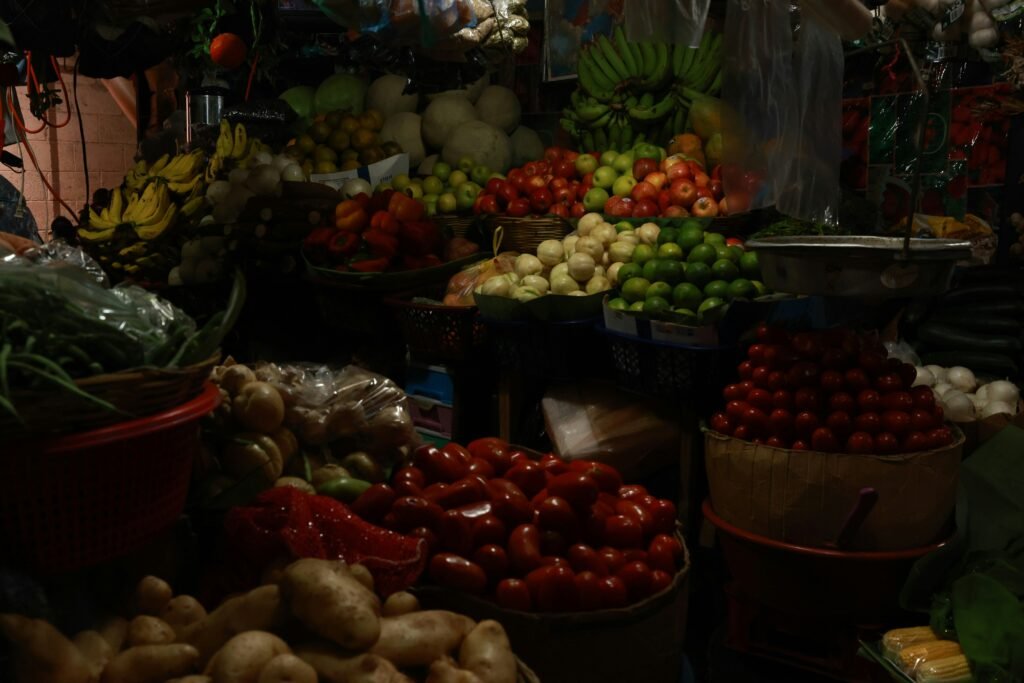
As men age and prostate health becomes a real concern, a natural question follows: can what you eat help? The answer is nuanced. No food prevents or cures prostate problems, and the supplement industry wildly oversells “prostate foods.” But there’s reasonable evidence that certain dietary patterns support prostate health and overall wellbeing, and a few foods stand out. This guide separates the evidence from the hype.
Related: Men’s Health After 30: The Complete Guide
Below are the foods for prostate health with the strongest evidence, and the claims to ignore.
First, a Clear Framing
Let’s set expectations. Diet isn’t a magic shield for your prostate: it won’t guarantee you avoid BPH or prostate cancer, and any single “superfood” claim should be treated skeptically. What the evidence more reasonably supports is that an overall healthy, plant-forward dietary pattern is associated with better prostate and general health outcomes, and a few specific foods have research behind them.
The most important point: the same diet that’s good for your heart, weight, and overall health is broadly good for your prostate too. There’s no special “prostate diet” separate from generally eating well.
Foods for Prostate Health With Reasonable Evidence
Tomatoes (and lycopene)
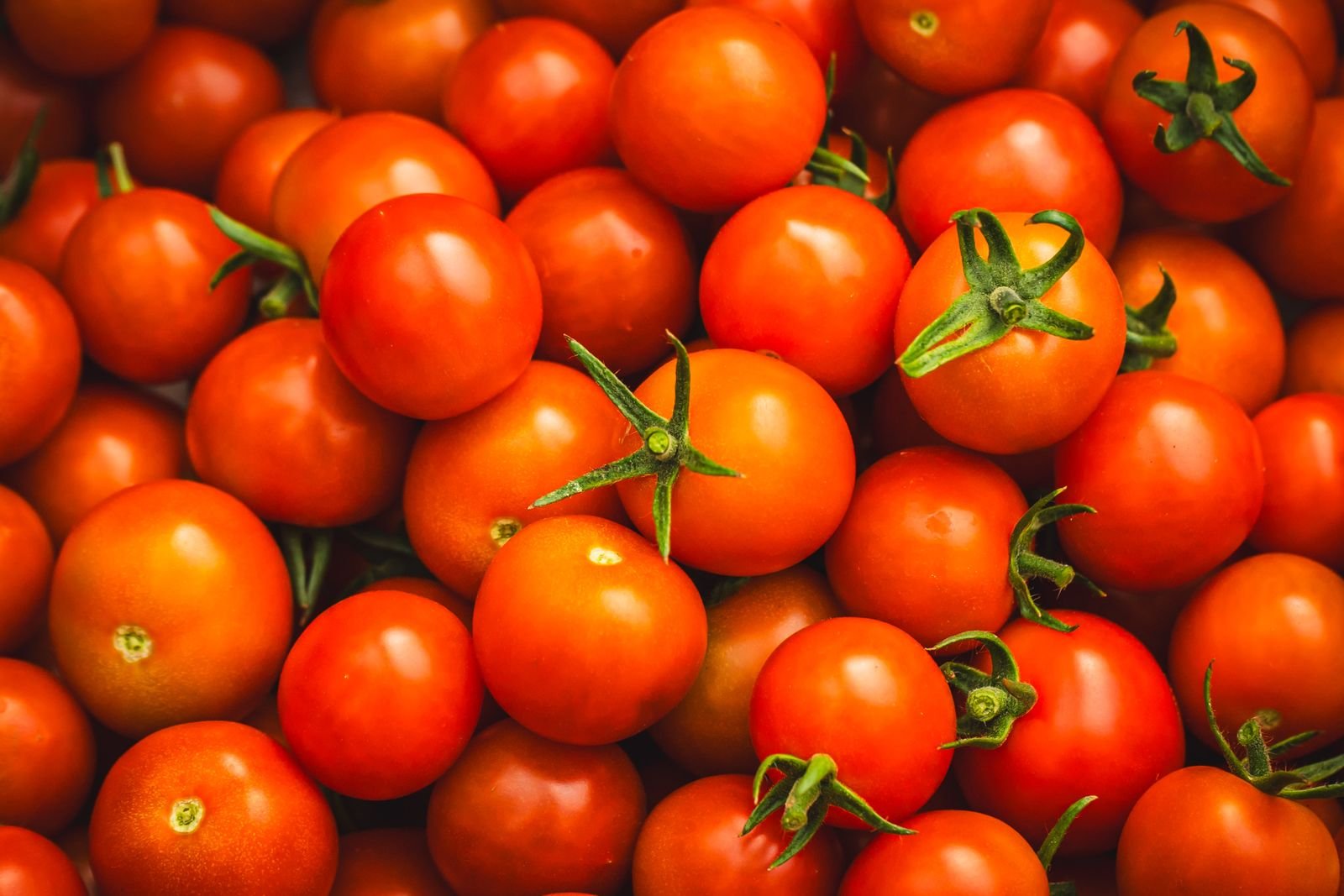
Tomatoes are the standout. They’re rich in lycopene, an antioxidant that some research associates with prostate health and potentially lower prostate cancer risk. Interestingly, cooked and processed tomatoes (sauce, paste) may make lycopene more bioavailable than raw, and pairing with a little fat aids absorption. Tomatoes are the most consistently cited prostate-supportive food.
Cruciferous vegetables
Broccoli, cauliflower, cabbage, and Brussels sprouts contain compounds (like sulforaphane) studied for potential protective effects. Population studies have associated higher cruciferous vegetable intake with better prostate outcomes. They’re nutritional powerhouses generally, so there’s little downside to eating more.
Fatty fish (omega-3s)
The omega-3 fatty acids in salmon, sardines, and mackerel have anti-inflammatory properties, and inflammation plays a role in prostate conditions. Omega-3s support cardiovascular and overall health too (see omega-3 for men).
Green tea
Contains antioxidants (catechins) studied for potential prostate benefits. The evidence is preliminary but the overall health profile is favourable.
Foods rich in healthy fats and antioxidants
Nuts, seeds, olive oil, and colourful fruits and vegetables provide antioxidants and healthy fats that support overall health, including the prostate.
Foods for Prostate Health: What to Limit
Just as relevant as what to add:
- Excess red and processed meat: some research associates high intake with worse prostate outcomes; moderation is sensible.
- High dairy / calcium intake: some studies have linked very high dairy or calcium intake to prostate concerns, though evidence is mixed; moderation rather than elimination.
- Ultra-processed foods and added sugar: bad for weight and overall health, which indirectly affects the prostate (see sugar and men’s health).
- Excess alcohol: worth moderating for overall and prostate health (see alcohol and belly fat).
Coffee and Prostate Health
Coffee is a surprise entry. A 2021 meta-analysis in BMJ Open pooled 16 prospective cohort studies covering more than a million men. Those in the highest coffee-drinking group had a 9% lower risk of prostate cancer than those in the lowest, and each extra daily cup was linked to about a 1% lower risk.
These are observational studies, so coffee drinkers may differ in other ways, and the effect is modest. That’s no reason to start drinking coffee, but if you already enjoy a few cups a day, there’s no sign it raises your prostate cancer risk. Caffeine can make urinary urgency and frequency worse, though, so the NIDDK advises men with an enlarged prostate to avoid or limit caffeine and alcohol.
Why Supplements Don’t Replace Food
It’s tempting to skip the vegetables and take a pill instead. The largest trial of prostate supplements shows why that can backfire. The SELECT trial randomly assigned about 35,000 men to vitamin E, selenium, both or a placebo. After longer follow-up, men taking 400 IU of vitamin E a day had a 17% higher risk of prostate cancer than men on placebo, and selenium didn’t lower risk either.
The nutrients in whole foods come packaged with fibre and many other compounds, at doses your body is used to. High-dose pills are a different thing, and so far they haven’t earned a place in protecting the prostate.
The Weight Connection
Here’s an underappreciated point: maintaining a healthy weight may matter more than any specific food. Obesity is associated with worse prostate outcomes and more severe BPH symptoms, and it affects hormone balance. So a diet that keeps you lean, whole foods, adequate protein, limited ultra-processed food and alcohol, supports your prostate partly through weight management (see how to lose belly fat after 40). The dietary pattern matters more than chasing individual superfoods.
Keeping It in Perspective
A balanced view: diet is a supportive factor for prostate health, not a treatment or guarantee. If you have urinary symptoms or prostate concerns, food is not a substitute for medical evaluation (see prostate cancer vs BPH and the PSA test). Eat well because it supports your whole-body health, including your prostate, but don’t rely on “prostate foods” to prevent or treat actual conditions. And be especially skeptical of expensive “prostate health” supplements, many of which (like saw palmetto) have weak evidence (see saw palmetto for prostate). The same goes for prostate massage (see prostate massage benefits).
FAQ: Foods for Prostate Health
Some quick answers on foods for prostate health:
What foods are good for the prostate?
Tomatoes (rich in lycopene), cruciferous vegetables (broccoli, cauliflower), fatty fish (omega-3s), green tea, and antioxidant-rich fruits and vegetables have the most supportive evidence. Overall, a healthy plant-forward diet matters most.
Do tomatoes help prostate health?
Tomatoes contain lycopene, an antioxidant associated in some research with prostate health. Cooked/processed tomatoes (sauce, paste) may provide more bioavailable lycopene, especially paired with a little fat.
What foods are bad for the prostate?
Excess red and processed meat, very high dairy/calcium intake, ultra-processed foods, added sugar, and excess alcohol are worth moderating. Maintaining a healthy weight may matter more than any single food.
Can diet prevent prostate cancer?
No food or diet prevents prostate cancer, but a healthy, plant-forward dietary pattern and maintaining a healthy weight are associated with better prostate and overall health outcomes. Diet is supportive, not a guarantee.
Does losing weight help the prostate?
Likely yes, obesity is associated with worse prostate outcomes and more severe BPH symptoms. A diet that keeps you lean supports prostate health, which is why weight may matter more than specific foods.
The Bottom Line on Foods for Prostate Health
The bottom line on foods for prostate health: You can support your prostate health through diet, but keep expectations realistic: no food prevents or cures prostate problems, and the “prostate superfood” hype is overblown. The evidence more reasonably supports an overall healthy, plant-forward pattern, with tomatoes (lycopene), cruciferous vegetables, fatty fish, and green tea as standouts, while limiting excess red/processed meat, very high dairy, and ultra-processed food. Maintaining a healthy weight may matter more than any single food. Eat well for your whole-body health, your prostate benefits along with everything else, but see a doctor for any actual symptoms rather than relying on food or supplements.
This article is for informational purposes only and does not constitute medical advice. Consult a qualified healthcare professional about prostate health concerns.
Sources
- Lycopene/tomato consumption and the risk of prostate cancer: a systematic review and meta-analysis of prospective studies, PubMed
- Cruciferous Vegetables as Antioxidative, Chemopreventive and Antineoplasic Functional Foods: Evidence of Sulforaphane Against Prostate Cancers, PubMed
- The emerging role of obesity, diet and lipid metabolism in prostate cancer, PMC
- Can plant-based diets lower your risk of prostate cancer? Harvard Health
- Chen X et al. Coffee consumption and risk of prostate cancer: a systematic review and meta-analysis. BMJ Open, 2021
- Klein EA et al. Vitamin E and the risk of prostate cancer: the Selenium and Vitamin E Cancer Prevention Trial (SELECT). JAMA, 2011
- NIDDK, Enlarged Prostate (Benign Prostatic Hyperplasia)