

The belly that shows up in your 40s feels different from the weight of your 20s. It settles around the middle, it’s stubborn, and the things that used to work, skipping a few meals, a week of running, barely touch it. Plenty of men conclude their metabolism has “died” and the fight is unwinnable. The truth is more encouraging and more useful: belly fat after 40 is very beatable, but only if you stop chasing gimmicks and do the fundamentals properly. This guide covers how to lose belly fat after 40 without the usual nonsense.
This is the guide, the real reasons belly fat accumulates with age, what works to lose it, and the myths that waste your time. It’s also the hub for our nutrition and fat-loss articles, each linked for deeper detail.
The steps below show how to lose belly fat after 40 without crash diets.
The Myth That Holds Men Back From How to Lose Belly Fat After 40
Let’s kill the biggest excuse straight away: your metabolism has not collapsed. A landmark study published in Science, tracking over 6,400 people, found that metabolism is remarkably stable from age 20 to 60: it doesn’t meaningfully decline until your 60s. The “middle-age spread” isn’t caused by a slowing metabolism (we cover this in does metabolism slow with age).
So if it’s not your metabolism, what is it? Usually a combination of eating a bit more, moving a lot less, losing muscle, sleeping worse, and drinking more than you did at 25, all of which are fixable. That’s good news: the cause is your circumstances, not an unchangeable biological doom.
Why Belly Fat Specifically Accumulates
A few age-related factors funnel fat toward the middle in men:
- Muscle loss (sarcopenia). From 30 onward you lose muscle, which lowers the calories you burn and worsens body composition (see sarcopenia in men).
- Lower testosterone. Declining testosterone promotes fat storage, especially abdominal fat, and belly fat further lowers testosterone, a vicious cycle (see testosterone and belly fat).
- The dangerous kind: visceral fat. Men are prone to storing visceral fat, the deep fat around the organs that drives health risk far more than the fat under your skin (see visceral fat in men).
- Lifestyle drift: more sitting, more stress, worse sleep, more alcohol.
The encouraging part: visceral belly fat responds well to lifestyle change, often faster than stubborn subcutaneous fat.

What Works: How to Lose Belly Fat After 40
Here’s the hierarchy, biggest levers first. None of it is exotic. That’s the point.
1. A Moderate Calorie Deficit (the Non-Negotiable)
Fat loss requires consuming less energy than you burn. There’s no way around this, no food or exercise “melts” belly fat without it. A moderate deficit (around 300 to 500 calories below maintenance) drives steady fat loss without wrecking your energy or muscle (see calorie deficit explained). Spot reduction is a myth: you can’t target belly fat directly, but as you lose overall fat, the belly goes too.
Related: Weight Loss Plateau: Why You’ve Stopped Losing and How to Break Through
2. High Protein
Protein preserves muscle while you lose fat, keeps you full, and has the highest “thermic effect” (it takes more energy to digest). Aim for around 1 gram per pound of bodyweight (see how much protein men need). This is the dietary change with the best return.
3. Resistance Training
Lifting weights preserves and builds the muscle that keeps your metabolism up and improves your body composition, so you lose fat, not muscle (see building muscle after 40). This is what makes the difference between “skinny fat” and lean and strong.
Related: Cardio vs Weights for Fat Loss: What Actually Works for Men
Related: Bodyweight vs Weights: Which Is Better for Building Muscle?
4. Cut the Liquid Calories and Alcohol
Alcohol is a major driver of belly fat, empty calories, plus it lowers testosterone and worsens sleep and food choices (see alcohol and belly fat). Cutting back is one of the highest-impact single changes for the male midsection.
5. Reduce Refined Sugar and Ultra-Processed Food
These drive overeating and are easy to overconsume. Cutting them helps you stay in a deficit without feeling deprived (see sugar and men’s health).
Related: How to Eat Out and Stay Healthy (Without Being Miserable)
6. Sleep and Stress
Poor sleep and chronic stress both promote belly fat, through hormones (cortisol) and through worse food decisions when you’re tired and stressed. Fixing sleep is an underrated fat-loss tool (see why men sleep worse after 30 and high cortisol vs low cortisol).
What’s a Waste of Time
Skip these, they distract from the fundamentals:
- Endless crunches and ab workouts: you can’t spot-reduce belly fat. Ab training builds muscle underneath but won’t burn the fat on top.
- “Belly fat burner” supplements and teas: no pill melts belly fat. Save your money.
- Extreme crash diets: they cost you muscle, tank your energy, and rebound. Moderate and sustainable wins.
- Fasted cardio as a magic bullet: fine if you like it, but it’s not specially fat-burning beyond the calories it uses.
Related: How Many Steps a Day Do Men Really Need? What the Research Says
The Realistic Approach to How to Lose Belly Fat After 40
Put together, the winning formula for men over 40 is unglamorous and effective: a moderate calorie deficit, high protein, resistance training, less alcohol and sugar, and better sleep. Pick changes you can sustain, track your waist rather than obsessing over the scale (see waist-to-height ratio), and give it months, not weeks. Belly fat that took years to accumulate comes off steadily, not overnight, but it absolutely comes off.
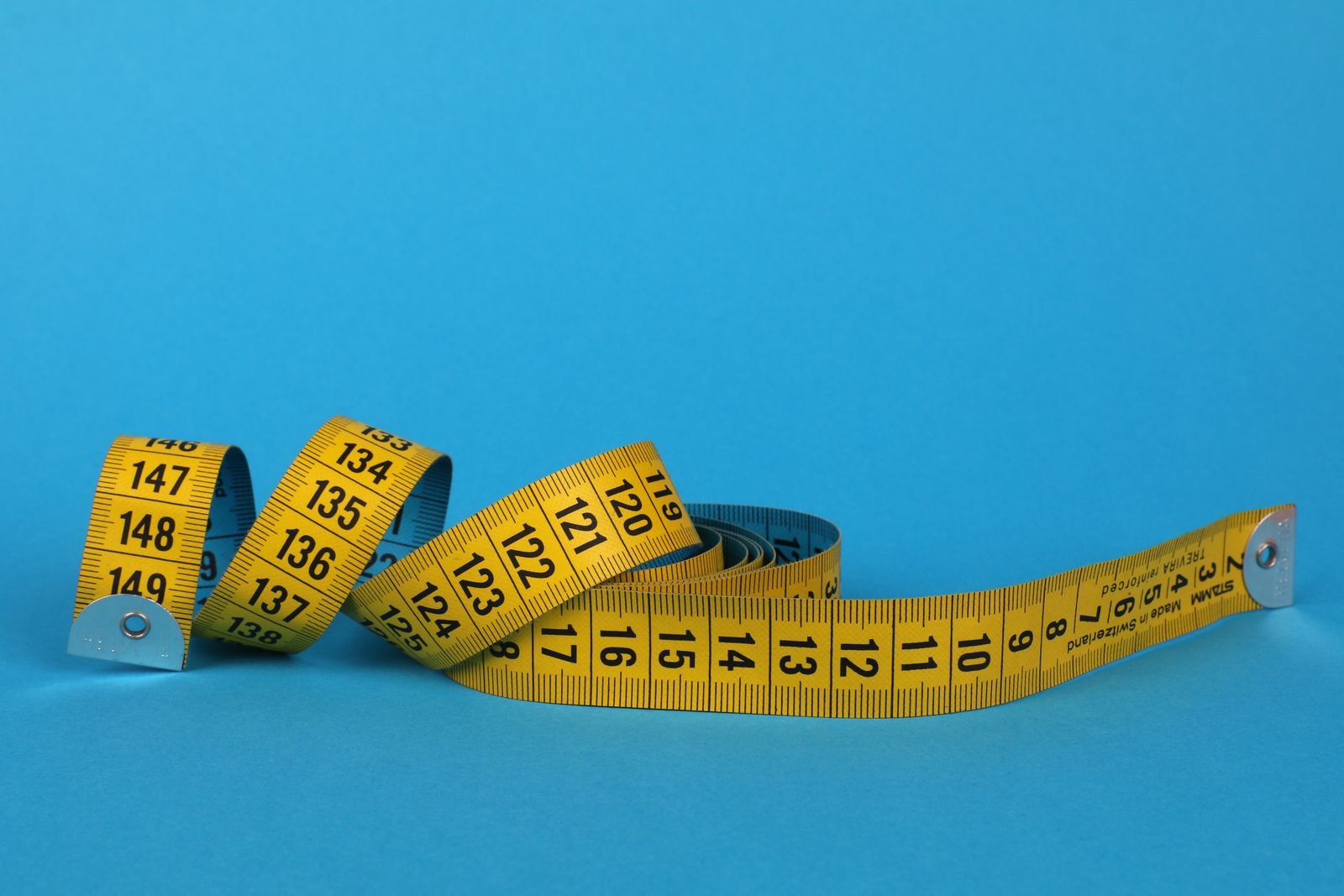
How to Measure Progress Without the Scale Lying to You
Bodyweight is a poor guide to belly fat. It moves with water, food volume, glycogen and what is still in your gut, and it cannot tell you whether the weight you lost came from fat or muscle. If you are training while dieting, which you should be, the scale can sit still for weeks while your waist keeps shrinking.
Waist circumference is the better number, and it costs nothing.
How to measure it properly
- Measure at the narrowest point between your lowest rib and the top of your hip bone. For most men that is roughly an inch above the navel, not at the navel itself.
- Stand upright, breathe out normally, and take the reading at the end of that breath. Do not suck in and do not hold your breath.
- Keep the tape horizontal and snug against the skin without compressing it.
- Measure first thing in the morning, before eating, on the same day each week.
Measuring at the navel rather than the true narrowest point is the most common mistake, and it inflates the number.
What the number means
For men, a waist above 94 cm (37 inches) is generally treated as increased cardiometabolic risk, and above 102 cm (40 inches) as substantially increased risk. These are population thresholds rather than personal verdicts, and they are less reliable at the extremes of height, but they are a useful line in the sand. Waist circumference predicts diabetes risk better than BMI does, which is the practical reason to track it.
Visceral Fat and the Fat You Can Pinch
Not all belly fat behaves the same way. Subcutaneous fat is the layer directly under the skin, the part you can take hold of. Visceral fat sits deeper, packed around the liver, pancreas and intestines.
Visceral fat is the metabolically active one, and it is the reason waist size tells you more than weight does. It is associated with insulin resistance, higher blood pressure, unfavourable cholesterol, fatty liver disease and heart disease. It also tends to be the fat that accumulates in men as activity drops and testosterone declines.
The encouraging part is that visceral fat is generally the first to respond to a calorie deficit and regular training. Men often notice their belt moving before the scale does much. That is exactly the pattern you would expect, and a good reason not to judge progress on weight alone.
FAQ: How to Lose Belly Fat After 40
Some quick answers on how to lose belly fat after 40:
Why do men gain belly fat after 40?
Mostly from eating more, moving less, losing muscle, sleeping worse, and drinking more, plus declining testosterone promoting abdominal fat. It’s not a collapsed metabolism, which stays stable from 20 to 60.
What’s the fastest way to lose belly fat after 40?
There’s no shortcut, but the highest-impact changes are a moderate calorie deficit, high protein, resistance training, and cutting alcohol. Sustainable fundamentals beat crash diets.
Can I target belly fat specifically?
No, spot reduction is a myth. You can’t burn fat from one area with targeted exercises. As you lose overall body fat through a calorie deficit, belly fat reduces along with it.
Do belly fat burner supplements work?
No. No pill, tea, or supplement meaningfully melts belly fat. The money is better spent on whole foods that help you maintain a calorie deficit.
How long does it take to lose belly fat?
Steady, sustainable fat loss is around 0.5 to 1% of bodyweight per week. Belly fat that accumulated over years takes months of consistent effort, but visceral fat often responds relatively quickly to lifestyle change.
Related: How to Lose Weight Quickly and Safely: A Realistic Guide
The Bottom Line on How to Lose Belly Fat After 40
The bottom line on how to lose belly fat after 40: Losing belly fat after 40 isn’t about a magic diet or a collapsed metabolism, your metabolism is stable from 20 to 60, and the real causes (eating more, moving less, losing muscle, drinking more, sleeping worse) are all fixable. The formula is a moderate calorie deficit, high protein, resistance training, less alcohol and sugar, and better sleep. Skip the crunches, the fat-burner pills, and the crash diets. Track your waist, stay consistent for months, and the stubborn middle-age belly, including the dangerous visceral fat, comes off. It’s not easy, but it’s simple, and it works.
This article is for informational purposes only and does not constitute medical advice. Consult a qualified healthcare professional before starting a new diet or exercise programme.
Sources
- Pontzer H et al. Daily energy expenditure through the human life course. Science, 2021
- Research on visceral fat, testosterone, and abdominal fat in men.
- Studies on calorie deficit, protein, and resistance training for fat loss.
- Research on alcohol, sleep, and cortisol in abdominal fat accumulation.
- NHLBI: Assessing your weight and health risk, including waist circumference measurement.
- World Health Organization: Waist circumference and waist-hip ratio, report of a WHO expert consultation (94 cm and 102 cm thresholds for men).