

If you’ve got a wedding, a beach trip, or just a doctor’s visit coming up and you’re searching for how to lose weight quickly and safely, you’re in the right place. You’re also about to hear something you might not want to: “quickly” and “safely” only overlap up to a point. Go past that point and you’ll lose water and muscle instead of fat, feel awful, and probably gain it all back. Stay inside it, though, and you can drop a meaningful amount of weight in a matter of weeks. You can do it without wrecking your metabolism or your health. This guide covers exactly where that line is, the real math behind it, and a plan you can follow.
What It Means to Lose Weight Quickly and Safely
“Fast” weight loss has a bad reputation because most of what gets marketed under that name isn’t actually fat loss. It’s water weight from carb restriction, dehydration, and sometimes muscle. You can absolutely accelerate the process compared to a lazy, unplanned approach. But the accelerator only goes so far before your body starts protecting itself.
Both the Mayo Clinic and the CDC land on the same number. The rate that’s fast enough to be motivating but slow enough to stick is about 1 to 2 pounds a week. That’s not a conservative, cover-your-bases number. It’s the rate that shows up again and again in research as the sweet spot. At that pace you’re burning mostly fat, keeping your energy up, and building habits that last past the diet itself.
How Many Pounds a Week Is Safe
A pound or two a week doesn’t sound dramatic, but it adds up faster than most guys expect. Over eight weeks, that’s 8 to 16 pounds. That’s enough to change how your clothes fit and move the needle on blood pressure, blood sugar, and cholesterol. In fact, the CDC says even a modest 5% loss meaningfully lowers the risk of heart disease, prediabetes, and type 2 diabetes. For a 200-pound man, that’s 10 pounds. You don’t need to chase a dramatic before-and-after to get the health payoff.
Where guys get into trouble is going well past that rate, dropping 5, 8, or 10 pounds a week through extreme calorie cuts. That pace is almost never fat alone. Harvard Health notes that losing weight too quickly can lower the rate at which your body burns calories, promote muscle loss, and leave you short on key nutrients. That’s the opposite of what you want if the goal is to look and feel better long-term, not just watch a number drop.
It also helps to run the actual math on your own goal before you start. If you’re carrying 20 extra pounds, losing it at a safe 1.5-pound-a-week average puts you around 13 to 14 weeks out. That’s a little over three months. That might feel slower than you want. But compare it to the alternative: a crash diet that promises the same 20 pounds in a month almost always means water weight, a stalled metabolism, and a rebound that puts some or all of it back within weeks. A realistic timeline isn’t the consolation prize. It’s the version that finishes.
Related: How Much Weight Can You Lose in a Month? Realistic Rates for Men
Related: Weight Loss Plateau: Why You’ve Stopped Losing and How to Break Through
The Calorie Deficit Behind Losing Weight Quickly and Safely
Underneath all the diet noise, weight loss still comes down to a calorie deficit: eating less energy than your body burns. Mayo Clinic’s guidance for that 1-to-2-pound-a-week pace is a daily deficit of roughly 500 to 750 calories. You get there through some mix of eating less and moving more. If you want the full breakdown of how to calculate your own numbers, our guide to calorie deficits walks through it step by step.
You’ve probably heard that 3,500 calories equals a pound of fat, and that’s the old rule of thumb. It’s a reasonable starting estimate, but researchers have shown it overstates real-world results, because your body adapts as you lose weight. Your metabolism slows slightly as you get lighter. So the deficit that dropped 2 pounds a week in month one might only drop 1.5 in month two, even with identical effort. That’s normal, not a sign you’re doing something wrong, and it’s exactly why extreme deficits stop working the way people expect.
The other half of the equation is activity. The American Heart Association recommends at least 150 minutes of moderate aerobic activity a week (or 75 minutes of vigorous activity). It also recommends strength training on at least two days a week. Cardio widens your calorie deficit without you having to cut food further. Strength training is what keeps the weight you’re losing coming from fat instead of muscle. Put together, that deficit and that activity level are the real answer to how to lose weight quickly and safely, not any single trick.

Protein: The Part Most Guys Get Wrong
If there’s one lever that determines whether “fast weight loss” leaves you looking leaner or just smaller, it’s protein. When you’re in a calorie deficit, your body is more willing to burn muscle for fuel unless you give it a reason not to. A steady, high protein intake is that reason.
Cleveland Clinic’s guidance for people who are actively cutting calories and training puts protein at roughly 1 to 1.5 grams per pound of goal body weight per day. That’s noticeably higher than the general recommendation for people who aren’t trying to lose weight. Practically, that means prioritizing protein at every meal, not just after workouts. Treat it as the first thing you plan your plate around rather than an afterthought. Our list of high-protein foods for men is a good place to start if you’re not sure how to hit those numbers without living on chicken breast.
Protein also happens to be the most filling macronutrient. So a high-protein approach makes a 500-to-750-calorie daily deficit far more tolerable than trying to hit the same deficit by cutting carbs or fat alone. Fewer cravings, less muscle loss, better results, in that order.
Why Crash Diets Backfire
It pays to be specific about what happens when you push past “quickly and safely” into crash-diet territory, because the risks aren’t vague. According to the Obesity Action Coalition, very-low-calorie diets (generally under 800 calories a day) are linked to gallstones in as many as 25% of people who follow them without medical supervision. They can also cause a lean body mass loss that can exceed 25% of total weight lost, meaning a real chunk of what comes off is muscle and bone, not fat.
Extreme restriction also makes it difficult to get enough vitamins, minerals, and electrolytes. Shortfalls can cause fatigue, dizziness, an irregular heartbeat, and in some cases more serious complications. And then there’s the rebound problem. Crash diets trigger a metabolic slowdown as your body tries to defend its weight, so a large share of people who lose weight this way end up regaining it, and then some. One commonly cited figure has roughly 40% of crash dieters gaining back more than they originally lost.
None of this means slow is the only option, or that fast is inherently reckless. It means “fast” has a ceiling, somewhere around that 1-to-2-pound-a-week mark. Past it, you’re trading long-term results for a number on the scale that won’t stay there anyway.
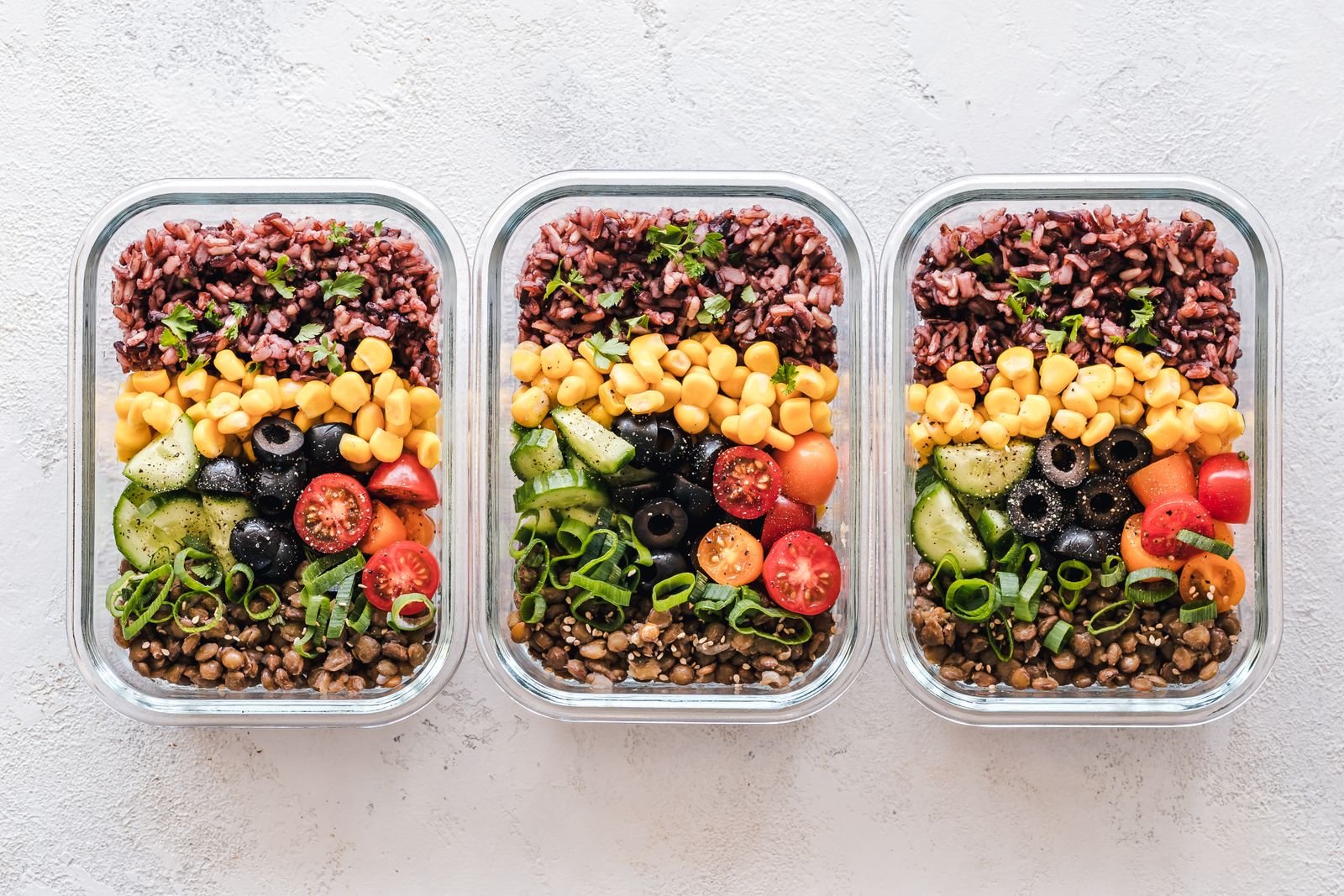
A Weekly Blueprint to Lose Weight Quickly and Safely
Here’s how the pieces above translate into an actual week:
- Set your deficit at 500 to 750 calories a day below your maintenance level, not more. Use a TDEE calculator or a rough estimate from your current intake and weight trend.
- Hit your protein number first: roughly 1 to 1.5 grams per pound of your goal weight, spread across 3 to 4 meals.
- Train with weights 2 to 3 times a week to give your body a reason to hold onto muscle while you’re losing weight.
- Add 150+ minutes of cardio or brisk walking weekly to widen your deficit without cutting food further.
- Weigh yourself a few times a week and track the trend, not the daily number. Water retention can hide fat loss for days at a time.
- Sleep 7+ hours a night. Poor sleep increases hunger hormones and makes the same deficit feel much harder to sustain.
- Track more than the scale. Waist measurements, progress photos, and how your clothes fit often move even during weeks when the scale doesn’t, especially once you add strength training.
If eating on a set schedule helps you stay consistent, a structured approach like intermittent fasting can make it easier to hit your calorie target without constant decision-making. It’s a tool for adherence, not a metabolic shortcut. And if most of the weight you want gone sits around your midsection, the same fundamentals apply. Our guide on losing belly fat after 40 covers the age-specific wrinkles.
Frequently Asked Questions
What’s the fastest safe way to lose weight?
Roughly 1 to 2 pounds a week, driven by a 500-to-750-calorie daily deficit, enough protein to protect muscle, and regular exercise. Faster than that usually means water and muscle loss rather than fat.
Can I lose 10 pounds in a week safely?
Not as fat. Most of a 10-pound weekly drop is water weight, glycogen depletion, and in some cases muscle. It’s not a sustainable or healthy pace, and much of it typically comes back once normal eating resumes.
Why did my weight loss stall after a few weeks?
Plateaus are normal. As you lose weight, your body burns somewhat fewer calories at rest, so a deficit that worked initially can shrink over time. Reassessing your intake, activity, and even sleep every few weeks helps you adjust before frustration sets in.
Do I need to cut carbs to lose weight quickly?
No. The calorie deficit is what drives weight loss, not the specific macronutrient split. Low-carb approaches can make it easier for some men to eat less by controlling appetite, but they aren’t required.
Is it normal to lose weight faster in the first week?
Yes. The first week of a new diet often includes a larger drop from water and glycogen loss, especially if you’re also cutting carbs or sodium. Expect the rate to settle closer to 1 to 2 pounds a week after that.
The Bottom Line
If you want to know how to lose weight quickly and safely, the answer is that the fastest sustainable pace is about 1 to 2 pounds a week. It’s built on a 500-to-750-calorie daily deficit, a high protein intake to protect your muscle, regular strength training and cardio, and enough sleep to keep your hunger in check. Push past that with an extreme crash diet and you risk gallstones, muscle loss, and nutrient deficiencies. You also risk a metabolic slowdown that makes the weight come back faster than it left. Slow and steady isn’t a consolation prize here. It’s the version of “fast” that holds up.
This article is for informational purposes only and does not constitute medical advice. Talk to a qualified healthcare professional before starting a new diet or exercise program, particularly if you have an existing health condition.
Sources
- Mayo Clinic: Weight loss: 6 strategies for success
- CDC: Steps for Losing Weight
- Harvard Health: What does a healthy, realistic rate of weight loss look like, and why does it matter?
- Obesity Action Coalition: The Risks of the Crash Diet
- Cleveland Clinic: How Much Protein To Eat To Lose Weight
- American Heart Association: Recommendations for Physical Activity in Adults