
Knowing you need more protein is one thing; hitting your target every day is another. Most men fall short not because they don’t try, but because they don’t know which foods deliver the most protein per serving, or how to build meals around them. The good news is that hitting a high protein intake is simple once you know your best sources.
Related: Electrolytes for Men: Do You Actually Need Them?
This guide ranks the best high-protein foods for men, animal and plant, with real numbers per serving, plus cost-effective picks and practical tips to hit your daily target.
Below are the high protein foods that give you the most protein per calorie and per dollar.
High Protein Foods: How Much Protein You’re Aiming For
Quick recap before the food list: most active men do well aiming for roughly 0.7 to 1.0 gram of protein per pound of bodyweight, spread across the day in 25 to 35 gram servings. For a 180-pound man, that’s around 130 to 180 grams daily. (Full detail in our guide to how much protein men need.)
The trick, then, is hitting that consistently, which means knowing which foods pull their weight.
The Best Animal Protein Sources
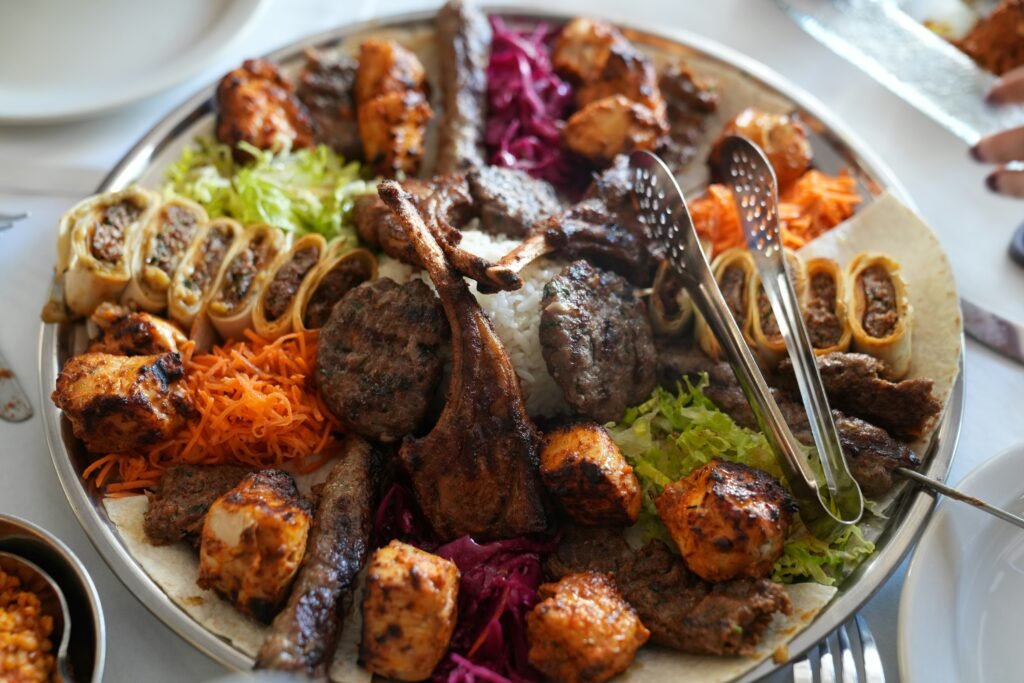
Animal proteins are “complete” (containing all essential amino acids) and protein-dense, making them the easiest way to hit your target. Approximate protein per serving:
- Chicken breast: ~31 g per 100g cooked. The classic lean staple.
- Lean beef: ~26 g per 100g cooked, plus iron and zinc (see zinc deficiency in men).
- Turkey: ~29 g per 100g cooked. Lean and versatile.
- Salmon: ~25 g per 100g, plus omega-3s (see omega-3 for men).
- Tuna: ~30 g per 100g. Cheap, convenient, very lean (canned).
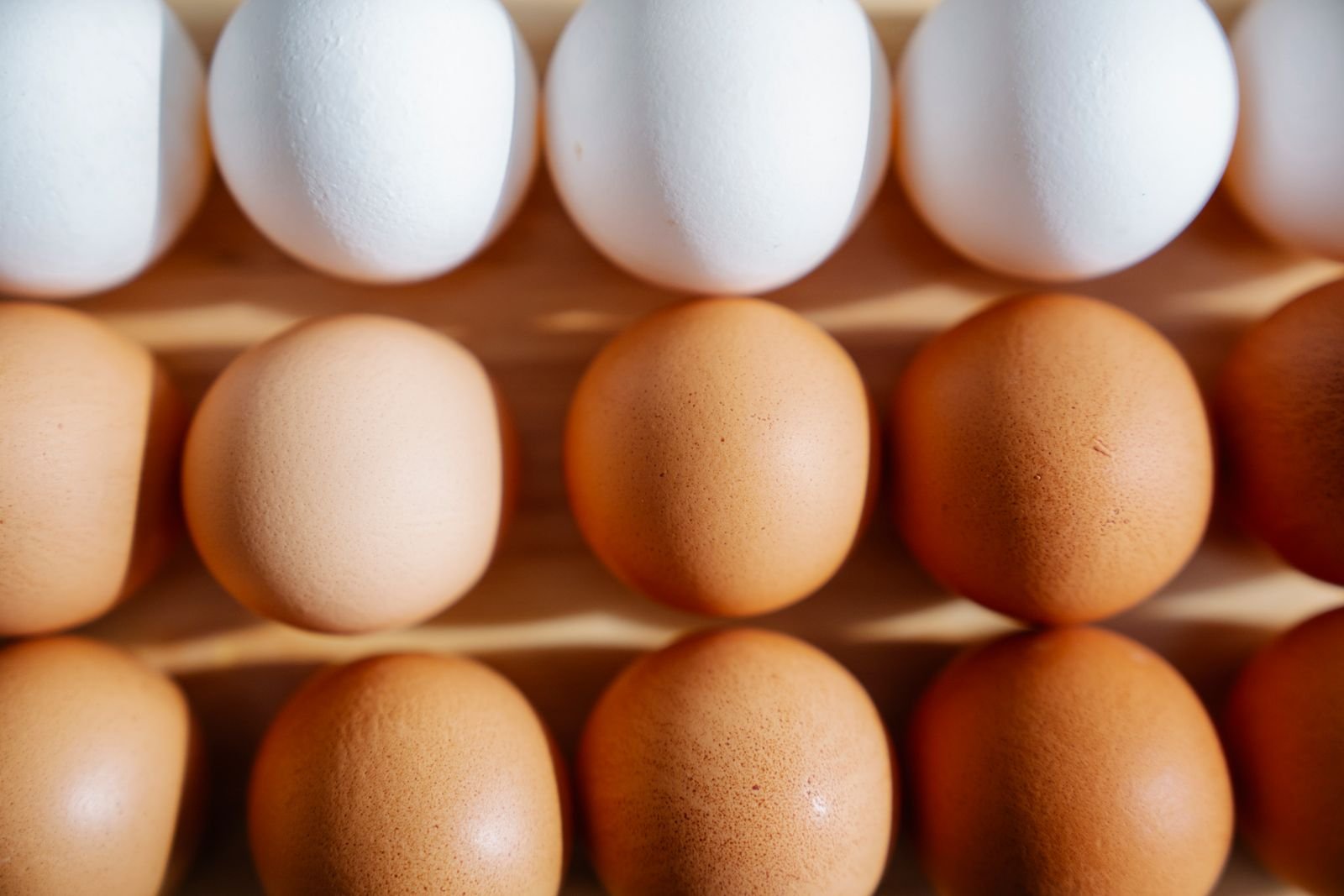
- Eggs: ~6 g per large egg. Cheap, complete, and protein-dense, don’t skip the yolk.
- Greek yogurt: ~10 g per 100g. Great for breakfast or snacks.
- Cottage cheese: ~11 g per 100g. High protein, slow-digesting, good before bed.
- Shrimp/prawns: ~24 g per 100g. Very lean.
- Milk: ~8 g per cup.
The Best Plant Protein Sources
Plant proteins are also valuable, often cheaper and with added fibre. Most are lower in protein density and some are “incomplete” (lower in certain amino acids), so variety matters for plant-based men. Approximate protein:
- Lentils: ~9 g per 100g cooked, plus fibre.
- Chickpeas: ~9 g per 100g cooked.
- Black beans: ~9 g per 100g cooked.
- Tofu: ~8 g per 100g; firm tofu more. A complete protein.
- Tempeh: ~19 g per 100g. Higher protein, complete, fermented.
- Edamame: ~11 g per 100g. Complete protein.
- Seitan: ~25 g per 100g. Very high (but not for those avoiding gluten).
- Nuts and seeds: ~5 to 9 g per ounce; pumpkin seeds and peanuts lead.
- Quinoa: ~4 g per 100g cooked; a complete grain protein.
For plant-based men, combining sources across the day covers all amino acids, and total intake matters more than any single food, with adequate total protein, plant-based eaters build muscle just fine (see how much protein men need).
Best Value: Protein on a Budget
Besides, high protein doesn’t have to be expensive. The most cost-effective sources per gram of protein:
- Eggs: cheap, versatile, complete.
- Canned tuna: inexpensive and very lean.
- Chicken thighs/whole chicken: cheaper than breast.
- Dried lentils and beans: extremely cheap protein plus fibre.
- Milk and Greek yogurt: affordable dairy protein.
- Whey protein powder: often the cheapest per gram, and convenient.
Protein Powder: Useful, Not Magic
Protein powder isn’t a special muscle-building substance. It’s just a convenient, concentrated protein source. It’s useful for:
- Hitting your target when whole foods fall short.
- A quick post-workout or breakfast option (where many men under-eat protein).
- Travel and busy days.
Collagen powder is popular too, but it is an incomplete protein and a poor substitute for the foods above (see does collagen work).
Whey is the most popular (fast-digesting, complete); casein digests slowly (good before bed); plant blends (pea/rice) work well for plant-based men. In short, it belongs in the “useful tool” category of your supplement stack (see the men’s supplement stack), not the magic category.
How to Hit Your Target
Practical tips:
- Anchor every meal with a protein source: aim for 25 to 35 g each (see how much protein men need on per-meal distribution).
- Don’t skimp at breakfast: the meal where men most often fall short. Eggs, Greek yogurt, or a shake fix this.
- Keep convenient options on hand: canned tuna, jerky, Greek yogurt, protein powder, hard-boiled eggs.
- Front-load if you train: get 30 to 35 g within a couple of hours of working out.
- Track for a few days if you’re unsure: most men are surprised how far short they fall until they count.
FAQ: High Protein Foods
Some quick answers on high protein foods:
What foods are highest in protein?
Lean meats (chicken, turkey, beef), fish (tuna, salmon), eggs, and dairy (Greek yogurt, cottage cheese) are the most protein-dense. Top plant sources include tempeh, seitan, lentils, beans, and tofu.
What’s the best protein source for building muscle?
Any complete protein hit consistently works. Lean meats, fish, eggs, and dairy are easiest due to density and complete amino acid profiles. With adequate total intake, plant sources build muscle too.
Can I get enough protein from plant foods?
Yes. In addition, combining varied plant sources across the day covers all amino acids. Tempeh, seitan, lentils, beans, tofu, and edamame are strong options; total daily intake matters most.
Is protein powder necessary?
No, it’s a convenience, not a necessity. It helps hit your target when whole foods fall short, especially at breakfast or post-workout, but whole foods work perfectly well on their own.
What’s the cheapest high-protein food?
Eggs, canned tuna, dried lentils and beans, chicken thighs, milk, and whey protein powder offer the most protein per dollar.
The Bottom Line on High Protein Foods
The bottom line on high protein foods: Hitting a high protein target is simple once you know your best sources. Lean meats, fish, eggs, and dairy are the most protein-dense and easiest to build meals around; tempeh, seitan, lentils, beans, and tofu are strong plant options. Anchor every meal with 25 to 35 grams of protein, don’t skip breakfast, keep convenient options on hand, and use protein powder as the useful tool it is. Eggs, canned tuna, and dried legumes prove that high protein doesn’t have to be expensive. Get your sources sorted, and hitting your daily target, the foundation of building muscle and ageing strong, becomes effortless.
This article is for informational purposes only and does not constitute medical advice. Men with kidney disease or other conditions should consult a healthcare professional about protein intake.
Sources
- USDA FoodData Central: protein content of common foods.
- Examine.com: protein sources and quality.
- Research on plant vs animal protein for muscle building.