
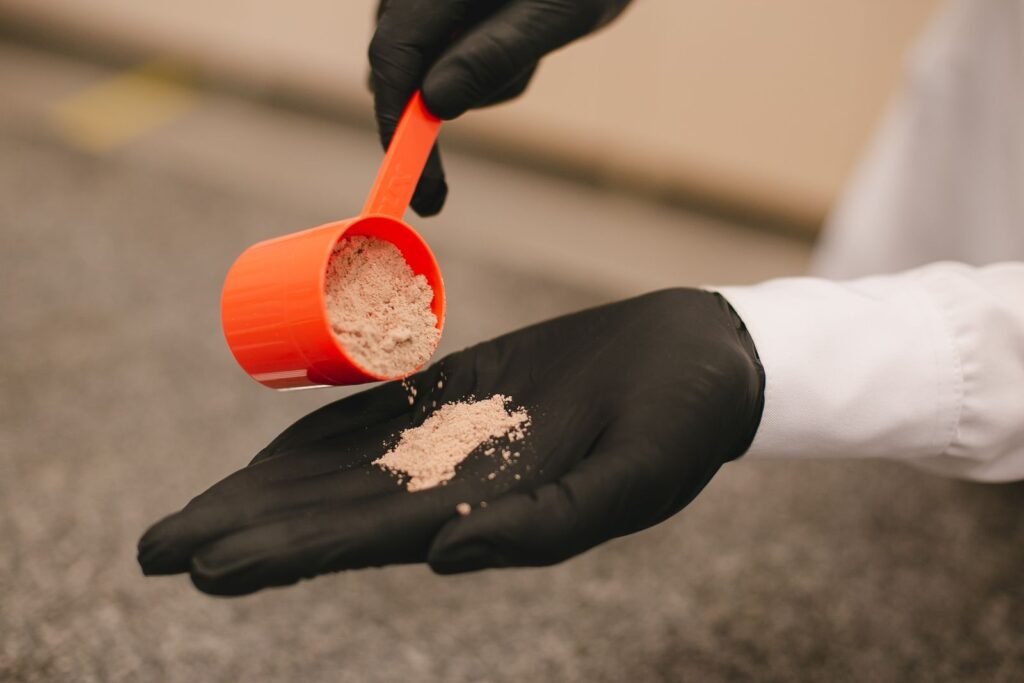
Protein powder is one of the most popular supplements for men looking to build muscle or simply hit their protein targets, and the biggest choice is between whey (dairy-based) and plant-based protein. Marketing on both sides can be confusing, with plant-protein makers implying whey is unnecessary or unhealthy, and whey advocates dismissing plant protein as inferior. The evidence-based answer is that both can effectively support muscle building, with some real differences worth understanding. This guide compares whey and plant protein for men.
Both Can Build Muscle
Let’s start with the key point. Both whey and quality plant protein can effectively support muscle building, provided you get enough total protein. Research increasingly shows that plant protein, when consumed in adequate amounts, can build muscle comparably to whey. So this isn’t a case of one working and the other not, both work. The differences are more about protein quality nuances, digestion, and practical factors. And remember, protein powder of either type is just a convenient way to hit your protein target, not magic (see how much protein men need and when supplements are a waste of money).
Whey Protein: Pros and Cons
Whey is a fast-digesting protein derived from milk.
Pros:
- Complete, high-quality protein. Whey contains all essential amino acids in good proportions and is highly bioavailable (well-absorbed and used).
- High in leucine. Whey is particularly rich in leucine, the amino acid that most strongly triggers muscle protein synthesis, making it very effective for stimulating muscle building.
- Fast-digesting. Quickly absorbed, useful around workouts.
- Well-researched and effective. Extensively studied, with a strong track record for muscle building.
- Often cost-effective and good-tasting.
Cons:
- Dairy-based. Not suitable for vegans, those with dairy allergies, or many with lactose intolerance (though whey isolate is lower in lactose).
- Can cause digestive issues for some (bloating, discomfort), especially those sensitive to dairy.

Plant Protein: Pros and Cons
Plant proteins come from sources like pea, rice, soy, hemp, and blends.
Pros:
- Suitable for vegans and the dairy-intolerant. The obvious advantage, plant protein works for those avoiding dairy or animal products.
- Often easier to digest for those with dairy sensitivities.
- Can be complete with good formulation. While some individual plant proteins are lower in certain amino acids, blends (like pea + rice) provide a complete amino acid profile, and soy protein is already complete. Quality plant proteins can match whey’s muscle-building potential.
- Often more environmentally friendly and may come with added fibre or nutrients.
- Soy specifically is a complete protein and, contrary to myth, doesn’t harm men’s testosterone (see does soy lower testosterone).
Cons:
- Amino acid profile varies by source. Some single-source plant proteins (like rice or pea alone) are lower in certain essential amino acids, which is why blends or adequate amounts matter. Lower leucine content in some means you may need slightly more to match whey’s MPS stimulus.
- May require a bit more to get equivalent muscle-building effect, since some are less concentrated in key amino acids (easily solved by eating a bit more).
- Taste and texture can be grittier or earthier (though this has improved a lot).
Which Should You Choose?
The practical guidance:
- If you tolerate dairy and want a proven, effective, often cost-effective option: whey is an excellent choice, high-quality, leucine-rich, well-researched, and effective.
- If you’re vegan, dairy-intolerant, or prefer plant-based: plant protein (ideally a blend, or soy) is a perfectly good choice that can build muscle comparably, choose a quality complete option and get adequate amounts.
- If you have digestive issues with whey: plant protein may sit better.
- Either works. For most men who tolerate both, it comes down to preference, dietary choices, digestion, taste, and cost. Both effectively support muscle building when you get enough total protein.
The most important thing isn’t which type, but that you’re hitting your total daily protein (see how much protein men need). A quality protein of either type, in adequate amounts, supports muscle building. Don’t overthink the whey-vs-plant choice, pick what fits your diet, digestion, and preferences.
A Note on Whole Foods
One point: protein powder (whey or plant) is a convenient supplement, not a necessity. You can meet your protein needs from whole foods (meat, fish, eggs, dairy, legumes, and so on, see high-protein foods for men). Powder is simply convenient for hitting targets, especially if you struggle to eat enough protein or want something quick around workouts. Whether whey or plant, treat it as a convenient tool alongside a whole-food diet, not a magic muscle-builder (see best diet for men over 40).
Frequently Asked Questions
Is whey or plant protein better for building muscle?
Both can effectively build muscle when you get enough total protein. Whey is high-quality, leucine-rich, and well-researched. Quality plant protein (ideally blends, or soy) can build muscle comparably. Neither is universally better, it comes down to your diet, digestion, and preferences.
Is plant protein as good as whey?
Research increasingly shows quality plant protein, in adequate amounts, can build muscle comparably to whey. Some single-source plant proteins are lower in certain amino acids (especially leucine), which is why blends or slightly larger amounts help. Well-formulated plant protein is a legitimate choice.
Which protein powder is best for men?
It depends on your situation. Whey is excellent if you tolerate dairy, proven, effective, often cost-effective. Plant protein (blends or soy) is ideal if you’re vegan, dairy-intolerant, or prefer plant-based. Both work; choose based on diet, digestion, taste, and cost.
Does whey protein have more benefits than plant protein?
Whey is high-quality, leucine-rich, fast-digesting, and extensively researched, giving it some advantages for muscle building. But quality plant protein can match it when consumed in adequate amounts. The practical difference for most men is small, total protein intake matters more.
Do I even need protein powder?
No, it’s a convenient supplement, not a necessity. You can meet protein needs from whole foods (meat, fish, eggs, dairy, legumes). Powder (whey or plant) is simply convenient for hitting targets or around workouts. Treat it as a useful tool alongside a whole-food diet.
The Bottom Line
Whey versus plant protein is less of a contest than the marketing implies: both can effectively support muscle building when you get enough total protein. Whey is a high-quality, leucine-rich, fast-digesting, well-researched option that’s excellent if you tolerate dairy, and often cost-effective. Quality plant protein (ideally a blend like pea and rice, or complete soy) can build muscle comparably and is ideal if you’re vegan, dairy-intolerant, or simply prefer plant-based, just choose a complete option and get adequate amounts, since some single-source plant proteins are lower in certain amino acids.
For most men who tolerate both, the choice comes down to dietary preferences, digestion, taste, and cost rather than a big difference in results. And remember, protein powder of either type is a convenient tool for hitting your total daily protein, not a necessity or magic, whole foods work too. Pick what fits your diet and preferences, hit your protein target, and either serves you well.
This article is for informational purposes only and does not constitute medical advice. Consult a qualified healthcare professional or registered dietitian for personalised nutrition guidance.
Sources
- Messina M et al. No Difference Between the Effects of Supplementing With Soy Protein Versus Animal Protein on Gains in Muscle Mass and Strength in Response to Resistance Exercise. Int J Sport Nutr Exerc Metab, 2018
- Joy JM et al. The effects of 8 weeks of whey or rice protein supplementation on body composition and exercise performance. Nutr J, 2013
- van Vliet S et al. The Skeletal Muscle Anabolic Response to Plant- versus Animal-Based Protein Consumption. J Nutr, 2015