
Protein is the one macronutrient almost everyone agrees men should eat more of. Yet most men either dramatically undereat it or have no idea what their actual target should be. The official minimum is set to prevent deficiency, not to build muscle, stay strong, or age well. Following it leaves most active men short (see building muscle after 40 and high-protein foods for men). So how much protein do you actually need? Here are realistic targets.
Here’s what’s ahead: clear, practical protein targets for maintenance, for building muscle, and specifically for men over 40. Plus the timing and per-meal details that matter more than most people realise.
This guide works out how much protein you need based on your weight, age and training.
How Much Protein You Need as a Baseline (and Why It’s Not Enough)
The official Recommended Dietary Allowance (RDA) for protein is 0.8 grams per kilogram of bodyweight per day, about 0.36 g per pound. That’s roughly 60 grams a day for a 165-pound (75 kg) man.
Here’s the crucial caveat: the RDA is the amount needed to prevent deficiency in a sedentary person. It’s not the amount to build muscle, preserve strength, or optimise health. It’s a floor, not a target. If you exercise, want to build or keep muscle, or are over 40, you need meaningfully more.
How Much Men Need, by Goal
Here’s the practical breakdown:
For general health and maintenance (active men):
Around 1.2 to 1.6 g/kg (roughly 0.55 to 0.73 g/lb). That’s about 90 to 120 grams a day for a 165-pound man.
For building muscle:
Research supports 1.6 to 2.2 g/kg (roughly 0.7 to 1.0 g/lb) when combined with resistance training. A common, easy-to-remember target is about 1 gram per pound of target bodyweight. It’s slightly above what’s strictly necessary, but a simple and effective rule that also supports satiety.
For regular exercisers:
People who lift weights or train for endurance events generally need 1.2 to 1.7 g/kg. Aim toward the higher end if building muscle or in a calorie deficit.
The ceiling:
Intakes above 2 g/kg offer little additional muscle benefit for most people. Very high intakes aren’t necessary, and while generally safe for healthy people, they mean your kidneys work harder to clear the by-products. That’s a reason for caution if you have kidney disease, in which case follow medical advice.
A simple way to think about it: most active men do well aiming somewhere between 0.7 and 1.0 gram per pound of bodyweight. Pick a number in that range and hit it consistently.
| Goal | Daily protein (g/kg) | Daily protein (g/lb) | 165 lb (75 kg) man |
|---|---|---|---|
| RDA minimum (sedentary) | 0.8 g/kg | 0.36 g/lb | ~60 g/day |
| General health and maintenance (active men) | 1.2 to 1.6 g/kg | 0.55 to 0.73 g/lb | ~90 to 120 g/day |
| Regular exercisers | 1.2 to 1.7 g/kg | 0.55 to 0.77 g/lb | ~90 to 128 g/day |
| Building muscle | 1.6 to 2.2 g/kg | ~0.7 to 1.0 g/lb | ~120 to 165 g/day |
| Men over 40 to 50 | 1.2 to 1.6 g/kg | 0.55 to 0.73 g/lb | ~90 to 120 g/day |
| Ceiling (little extra benefit above) | Above 2 g/kg | Above 0.9 g/lb | Above 150 g/day |
Why Men Over 40 Need More, Not Less
This is the counterintuitive part. You’d think protein needs drop with age, they actually rise. Here’s why:
As men age, they develop anabolic resistance, the body becomes less responsive to protein. If a young man and an older man both eat 20 grams of protein, the younger man gets a bigger muscle-building response. This response, called muscle protein synthesis, is blunted in the older man, whose body doesn’t use the protein as efficiently.
Combine that with sarcopenia, the age-related loss of muscle that sets in from around 40 and accelerates later (see sarcopenia in men). The picture is clear: older men need more protein to achieve the same effect, not less. Yet studies consistently find that older adults eat less protein than they should, making the gap worse.
For men over 40 to 50, aim for the higher end, around 1.2 to 1.6 g/kg (roughly 90 to 120 g/day for a 165-pound man). Pair it with resistance training, which is essential to use that protein for muscle. We cover the training side in our guide to building muscle after 40 (see also meal timing and protein timing).
The Detail Most Men Miss: Per-Meal Distribution
Total daily protein matters most, but how you spread it matters too, especially as you age.
To maximise muscle protein synthesis, research points to consuming protein in adequate amounts at each meal rather than loading it all into dinner. The threshold often cited is around 25 to 35 grams of quality protein per meal, three times a day. Older adults in particular benefit from hitting roughly 30 to 35 grams per meal to overcome anabolic resistance.
In practice:
- Don’t skimp at breakfast: it’s the meal most men under-protein. A protein-light breakfast is a missed opportunity.
- Aim for a solid protein source at each main meal rather than one big hit.
- Around training, 30 to 35 grams within a couple of hours of your workout supports muscle building.
Good Protein Sources
Quality, complete proteins make hitting your target easier:
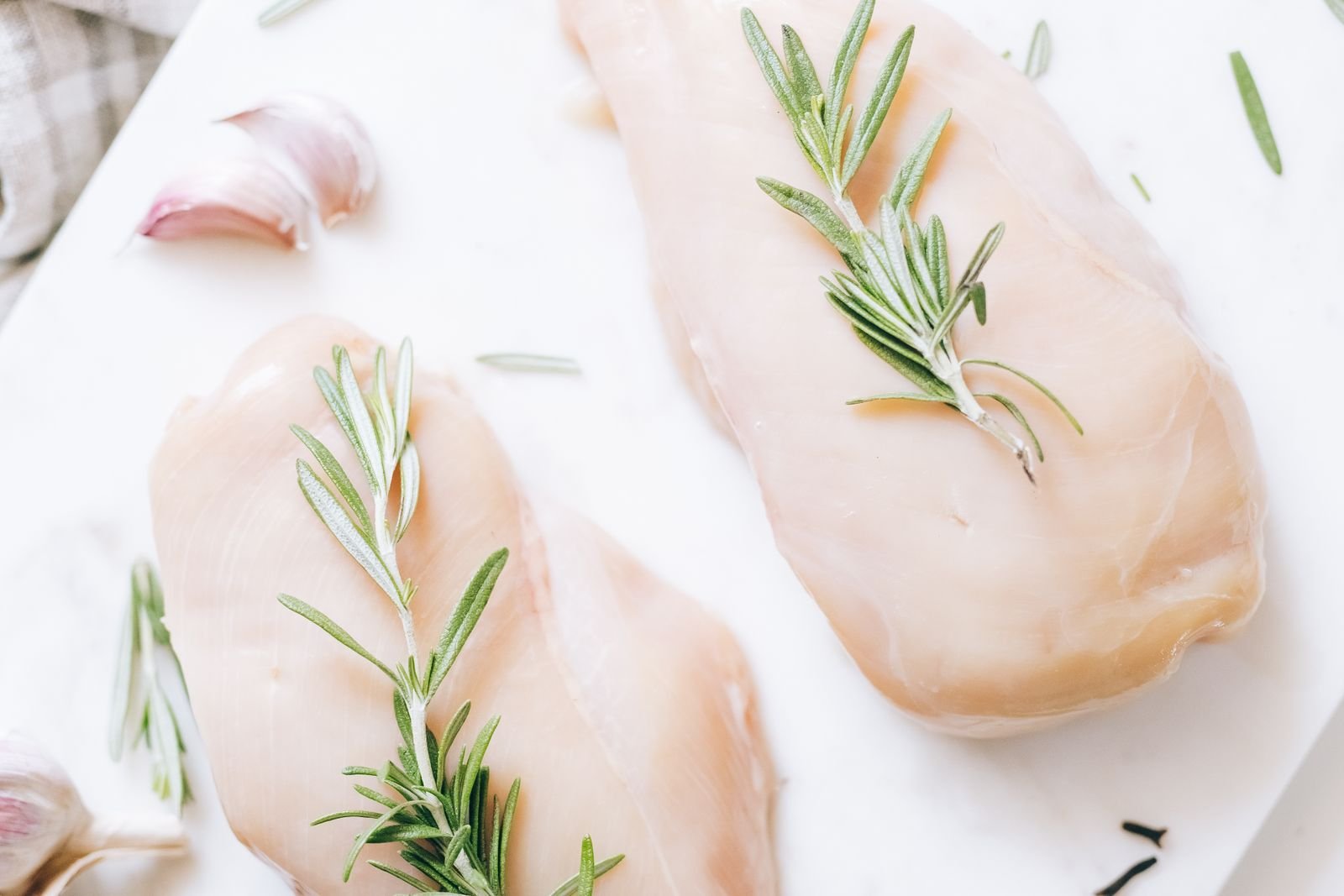
- Meat and poultry: chicken, beef, turkey.
- Fish and seafood: also providing omega-3s (see omega-3 for men).
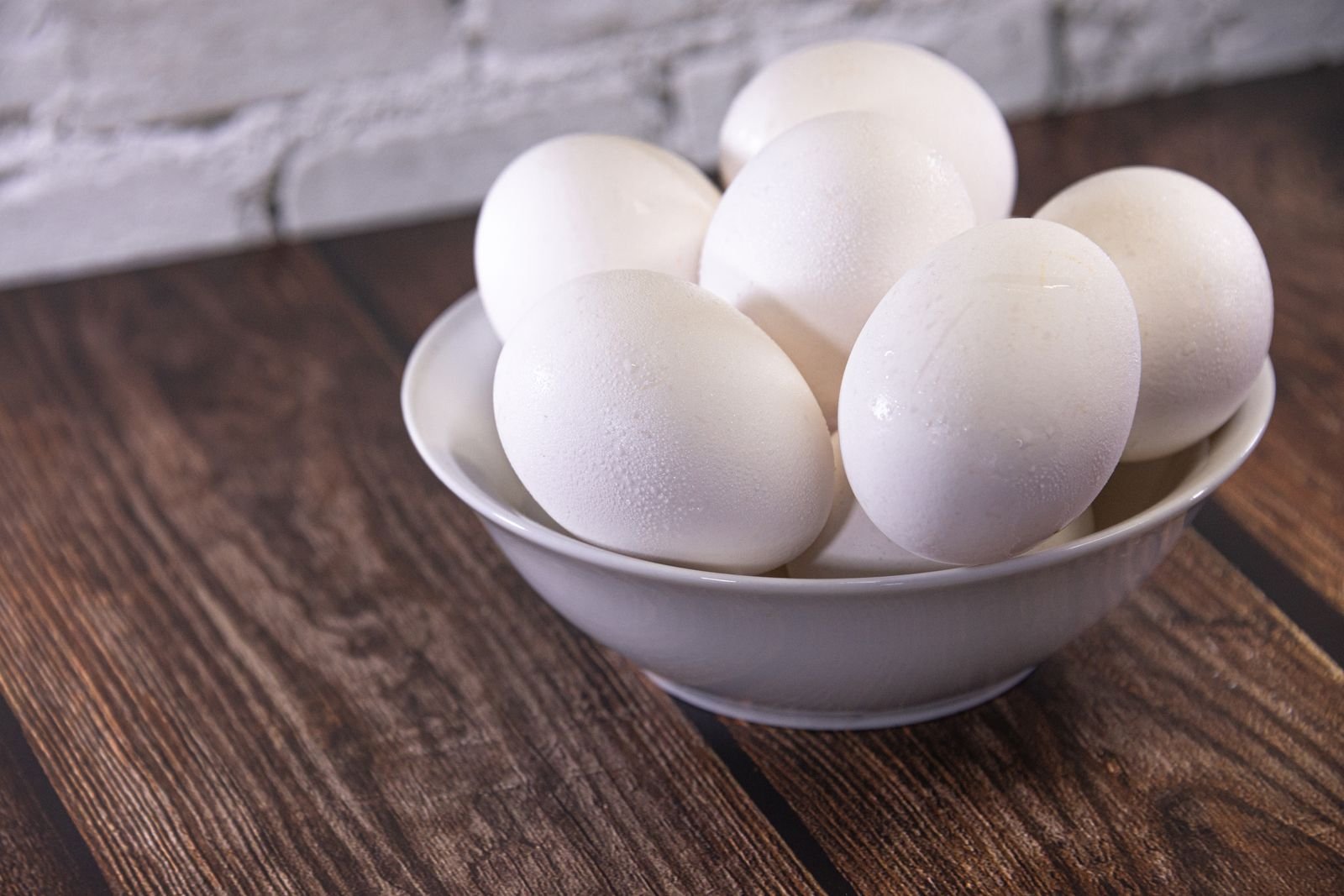
- Eggs: cheap, complete, and protein-dense.
- Dairy: Greek yogurt, cottage cheese, milk.
- Legumes, beans, lentils, tofu: solid plant sources.
- Protein powder: not magic, just a convenient way to top up your target (especially useful at breakfast or post-workout).
For building muscle, the evidence suggests that in the context of adequate total protein, the source doesn’t dramatically change body-composition results, so plant-based men can absolutely build muscle, they just need to be deliberate about hitting their total.
How to Hit the Number
Knowing your target is the easy half. Most men who fall short are not unwilling, they have simply never looked at what a gram of protein looks like on a plate. Here is what common foods deliver, using USDA reference values. Figures are per 100g cooked unless stated, and they are approximate.
| Food | Protein per 100g | Realistic portion |
|---|---|---|
| Chicken breast | 31g | A palm-sized breast, roughly 150g, gives about 46g |
| Salmon | 25g | A standard fillet, roughly 140g, gives about 35g |
| Cottage cheese | 11g | A 250g tub gives about 28g |
| Greek yoghurt, plain | 10g | A 200g pot gives about 20g |
| Eggs | 12g | Three large eggs give about 19g |
| Lentils, cooked | 9g | A cup gives about 18g |
What 150g of protein in a day looks like
For a man around 85kg aiming at roughly 1.8g per kilo, the target lands near 150g. Spread across four eating occasions it is far less daunting than it sounds:
- Breakfast. Three eggs and a 200g pot of Greek yoghurt: about 39g.
- Lunch. A 150g chicken breast with rice and vegetables: about 46g.
- Afternoon. A 250g tub of cottage cheese: about 28g.
- Dinner. A 140g salmon fillet with lentils: about 53g.
That comes to roughly 166g without a shaker in sight. Protein powder is convenient, not compulsory. It earns its place when you are short at the end of the day or pressed for time, and not otherwise.
The two mistakes that keep men short
The first is treating protein as a dinner event. A man who eats toast for breakfast, a sandwich for lunch and then a large steak has front-loaded almost nothing and back-loaded everything, which is the pattern the per-meal research argues against.
The second is eyeballing portions. A “chicken breast” ranges from 120g to well over 200g depending on what you bought. If your intake matters to you, weigh your protein sources for a week. Most men are surprised, usually downwards, and after a week you can estimate accurately for good.
FAQ: Protein Intake for Men
Some quick answers on protein intake for men:
How much protein should a man eat per day?
For active men, roughly 1.2 to 1.6 g/kg (0.55 to 0.73 g/lb); for building muscle, 1.6 to 2.2 g/kg (around 1 g/lb of target bodyweight). The RDA of 0.8 g/kg is a deficiency-prevention floor, not an optimal target.
Do older men need more or less protein?
More. Due to anabolic resistance and sarcopenia, men over 40 to 50 need more protein, around 1.2 to 1.6 g/kg, to maintain and build muscle. Yet they often eat less than they should.
Is too much protein bad for you?
For healthy people, high protein is generally safe, though above ~2 g/kg offers little extra muscle benefit. Those with kidney disease should follow medical guidance, as the kidneys work harder to process protein.
How much protein per meal?
Roughly 25 to 35 grams of quality protein per meal, three times a day, maximises muscle protein synthesis. Older men benefit from the higher end, 30 to 35 g. Breakfast is where most men fall short.
Can I build muscle on a plant-based diet?
Yes. With adequate total protein, the source doesn’t dramatically affect muscle gains, plant-based men just need to be deliberate about hitting their daily target.
The Bottom Line on Protein Intake for Men
The bottom line on protein intake for men: the official RDA is a floor to prevent deficiency. It’s not a target for men who want to build muscle, stay strong, and age well. Most active men do best aiming for roughly 0.7 to 1.0 gram of protein per pound of bodyweight. Counterintuitively, men over 40 need more, not less, because ageing makes the body less efficient at using it. Spread it across the day in 25 to 35 gram servings, and don’t skip protein at breakfast. Pair it with resistance training so your body turns it into muscle. Get that right and you’ve handled one of the biggest levers in men’s health.
This article is for informational purposes only and does not constitute medical advice. Men with kidney disease or other conditions should consult a healthcare professional about appropriate protein intake. Protein bars can help you hit these targets, though many are closer to candy than a health food (see are protein bars healthy).
Sources
- Examine.com: Optimal Protein Intake Guide.
- Stanford Lifestyle Medicine: Protein Needs for Adults 50+.
- Morton RW et al. A systematic review, meta-analysis and meta-regression of the effect of protein supplementation on resistance training-induced gains in muscle mass and strength in healthy adults. Br J Sports Med, 2018
- PMC: Amount of Protein Required to Improve Muscle Mass in Older Adults; anabolic resistance research.
- Schoenfeld BJ et al. How much protein can the body use in a single meal for muscle-building? Implications for daily protein distribution. J Int Soc Sports Nutr, 2018
- USDA FoodData Central: protein values per 100g for the foods listed.