
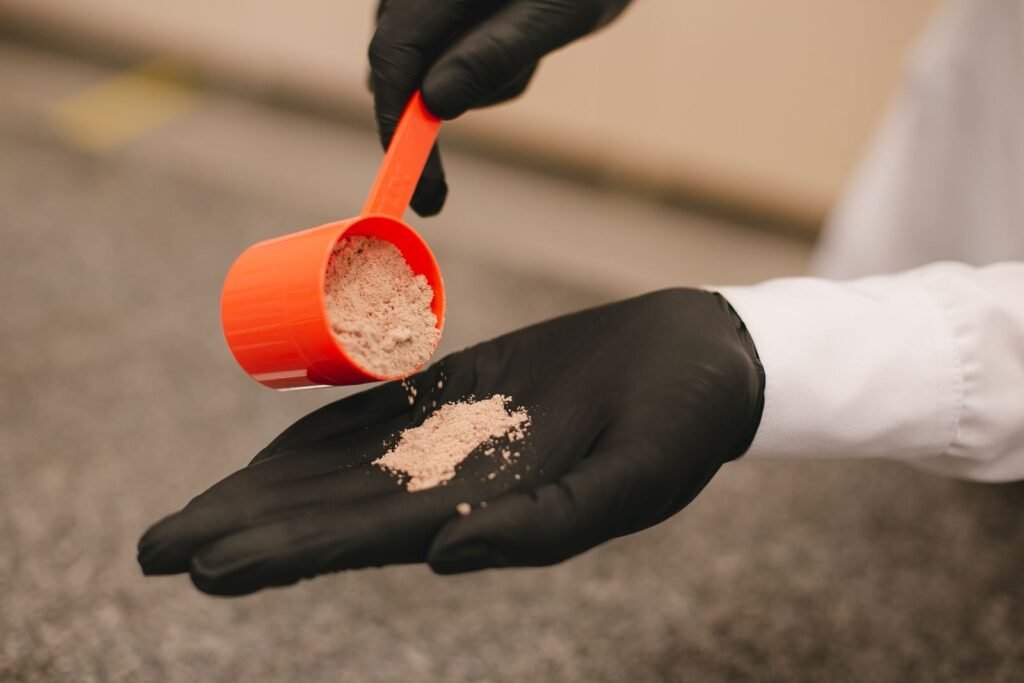
Pre-workout supplements promise explosive energy, focus, and performance, and they’re packed with long lists of ingredients and aggressive marketing. But most of those ingredients are either unproven, underdosed, or just there to make the label look impressive. Understanding which ingredients work lets you choose a pre-workout that delivers, or realise you might not need one at all. This guide cuts through the hype to what matters in a pre-workout.
First: Do You Need a Pre-Workout?
A sensible starting point. A pre-workout supplement isn’t necessary, plenty of people train hard without one. Its main benefits (energy, focus, some performance) largely come from a few key ingredients you could get more simply (like caffeine). So a pre-workout is a convenient, optional product for an energy and performance boost before training, not an essential (see when supplements are a waste of money). If you want one, here’s how to choose a good one by focusing on the ingredients that work.
The Ingredients That Work
A handful of pre-workout ingredients have real evidence. Look for these:
1. Caffeine (the main effective ingredient). Caffeine is the primary reason most pre-workouts “work”, it reliably boosts energy, focus, alertness, and can improve performance (see caffeine for men). Most of a pre-workout’s noticeable kick is caffeine. A good dose is often around 150 to 300 mg (adjust to your tolerance). Much of a pre-workout’s benefit could be had from caffeine alone (or coffee).
2. Citrulline (for pump/blood flow). L-citrulline (often citrulline malate) has reasonable evidence for improving blood flow, “pump,” and exercise performance, and it’s better than L-arginine for this (see citrulline vs arginine). A common effective dose is several grams. This is one of the useful non-caffeine ingredients.
3. Beta-alanine (for muscular endurance). Beta-alanine has evidence for improving muscular endurance in certain higher-rep training, over time. It’s the ingredient that causes the harmless tingling sensation many pre-workouts give. It has real (if modest) evidence, an effective dose builds up over weeks of consistent use.
4. Creatine (sometimes included). Some pre-workouts include creatine, which is proven for strength and muscle (see creatine for men over 40). But you can just take creatine separately (and monohydrate daily is best, see how to choose creatine), so its inclusion in a pre-workout is fine but not essential.
So the ingredients that matter are caffeine (the main one), citrulline, beta-alanine, and sometimes creatine. A pre-workout with effective doses of these is a “good” one.
What to Look For When Choosing
To choose a good pre-workout:
1. Effective doses of the proven ingredients. The key issue with many pre-workouts is underdosing, they include impressive-sounding ingredients at tiny, ineffective amounts (often hidden in proprietary blends). Look for effective doses of caffeine, citrulline, and beta-alanine, and avoid proprietary blends that hide the amounts (see how to read a supplement label). This is the single most important thing.
2. Transparent labeling. Choose products that disclose the exact amount of each ingredient (not a proprietary blend), so you can verify effective dosing.
3. Appropriate caffeine for your tolerance. Check the caffeine dose and match it to your tolerance, some pre-workouts have very high caffeine, which can cause jitters or a crash. Don’t assume more is better (see caffeine for men).
4. A reputable, tested brand. As always, buy from an established brand, ideally third-party tested (especially if you’re drug-tested).
5. Skip the exotic filler ingredients. Many pre-workouts pad their labels with numerous exotic ingredients of little proven benefit, don’t pay extra for these.
What to Ignore (Marketing Traps)
To avoid overpaying for hype:
- Ignore long lists of exotic ingredients: most are unproven, underdosed, or filler to look impressive (see when supplements are a waste of money).
- Ignore proprietary blends: they hide whether the effective ingredients are properly dosed (usually they’re not).
- Ignore extreme “explosive energy” marketing: much of the effect is just caffeine.
- Don’t chase the highest caffeine. More can mean jitters and crashes, not better workouts.
A Simpler Alternative
Since caffeine is the main effective ingredient, a simpler, cheaper alternative to a fancy pre-workout is just caffeine (a caffeine pill, or coffee), possibly with L-theanine for calmer focus (see L-theanine and caffeine), and separate creatine and citrulline if desired. This gets you the main benefits (energy, focus, pump) without an expensive proprietary blend of underdosed exotic ingredients. So you can either buy a well-dosed, transparent pre-workout, or DIY the effective parts more cheaply.
Frequently Asked Questions
How do I choose a good pre-workout?
Look for effective doses of the proven ingredients, caffeine (the main one), citrulline, and beta-alanine, with transparent labeling (not a proprietary blend that hides amounts). Match the caffeine to your tolerance, choose a reputable tested brand, and ignore long lists of exotic filler ingredients.
What ingredients in pre-workout actually work?
Caffeine (the primary effective ingredient, for energy and focus), citrulline (for blood flow and pump), beta-alanine (for muscular endurance, and the tingling sensation), and sometimes creatine (proven for strength). These have real evidence; most other pre-workout ingredients are unproven, underdosed, or filler.
Do I need a pre-workout?
No, it’s optional. A pre-workout’s main benefits (energy, focus, some performance) largely come from caffeine, which you could get more simply from coffee or a caffeine pill. It’s a convenient optional product, not essential. Plenty of people train hard without one.
Why are many pre-workouts a waste of money?
Many underdose the proven ingredients (including tiny, ineffective amounts hidden in proprietary blends) while padding the label with exotic, unproven fillers to look impressive. So you pay a premium for a blend that isn’t properly dosed. Look for transparent labeling with effective doses.
What’s a cheaper alternative to pre-workout?
Since caffeine is the main effective ingredient, just caffeine (a caffeine pill or coffee), possibly with L-theanine for calmer focus, plus separate creatine and citrulline if desired, gets you the main benefits more cheaply than an expensive proprietary pre-workout blend of underdosed exotic ingredients.
The Bottom Line
Choosing a pre-workout comes down to focusing on the few ingredients that work and ignoring the marketing. The effective ingredients are caffeine (the main one, for energy and focus), citrulline (for blood flow and pump), beta-alanine (for muscular endurance), and sometimes creatine, so a good pre-workout has effective, transparently-labeled doses of these. The biggest problem with most pre-workouts is underdosing, they include impressive-sounding ingredients at tiny, ineffective amounts, often hidden in proprietary blends, while padding the label with exotic fillers to look powerful.
So look for transparent labeling with effective doses, match the caffeine to your tolerance, and choose a reputable tested brand, while ignoring long exotic ingredient lists and “explosive energy” hype. And remember, a pre-workout isn’t necessary: since caffeine drives most of the effect, you can get the main benefits more cheaply from caffeine (or coffee), possibly with L-theanine, plus separate creatine and citrulline. Buy a well-dosed transparent product, or DIY the effective parts, either way, focus on what works, not the hype.
This article is for informational purposes only and does not constitute medical advice. Consult a qualified healthcare professional before taking supplements, especially if sensitive to caffeine or you have heart conditions.
Sources
- NIH Office of Dietary Supplements, Dietary Supplements for Exercise and Athletic Performance
- Harty PS et al. Multi-ingredient pre-workout supplements, safety implications, and performance outcomes: a brief review. J Int Soc Sports Nutr, 2018
- Jagim AR et al. Common Ingredient Profiles of Multi-Ingredient Pre-Workout Supplements. Nutrients, 2019