
Zinc is an essential mineral that matters for men’s health, it plays roles in testosterone production, immune function, and many other processes. This has made zinc a popular supplement, especially marketed for testosterone. But do you actually need to supplement it? The answer depends on whether you’re deficient, because zinc helps testosterone and health when you’re low, but supplementing when you already have enough does little. This guide gives you the straight take on whether men need a zinc supplement.
Why Zinc Matters for Men
Zinc is important. It’s involved in testosterone production (zinc deficiency can lower testosterone), immune function, wound healing, protein synthesis, and numerous other processes (see zinc deficiency in men). So adequate zinc matters for men, and the testosterone link is why it’s heavily marketed to men.
But here’s the crucial nuance: zinc mattering for testosterone doesn’t mean supplementing it boosts testosterone in everyone. The key is your zinc status, whether you’re deficient or already have enough.
The Key Question: Are You Deficient?
This is the entire crux of whether you need a zinc supplement:
If you’re zinc-deficient, supplementing helps. Zinc deficiency can lower testosterone and impair immunity and health, so correcting a true deficiency can improve testosterone (back toward normal) and support your health (see zinc deficiency in men). For a deficient man, zinc supplementation is worthwhile.
If you already have enough zinc, supplementing does little. Here’s what the testosterone marketing glosses over: if your zinc levels are already adequate, taking more zinc does not further boost your testosterone above normal. Zinc corrects a deficiency; it doesn’t supercharge testosterone in men who aren’t deficient (see do testosterone supplements work). So supplementing when you’re not low mostly just produces expensive excretion, and excess zinc can even cause problems (below).
So the answer to “do you need a zinc supplement” is: it depends on whether you’re deficient. Zinc is a “fix a deficiency” supplement, not a “boost above normal” one.
Are You Likely Deficient?
Zinc deficiency is possible but not universal. You’re more likely to be low if you:
- Eat a diet low in zinc-rich foods (see below)
- Follow a restrictive or vegetarian/vegan diet (plant zinc is less well-absorbed, and many high-zinc foods are animal-based)
- Have certain digestive or absorption issues
- Have high zinc losses (e.g. very heavy sweating in some cases)
- Are an older adult (absorption can decline)
Many men with a reasonable, varied diet get adequate zinc from food and aren’t deficient. So don’t assume you’re deficient, it depends on your diet and situation. If unsure and concerned, zinc status can be assessed (though testing has limitations); a doctor can advise (see blood tests for men).
Getting Zinc From Food
Before supplementing, note that zinc is readily available from food:
- Red meat: a good source (see is red meat bad)
- Shellfish (oysters are famously very high in zinc)
- Poultry
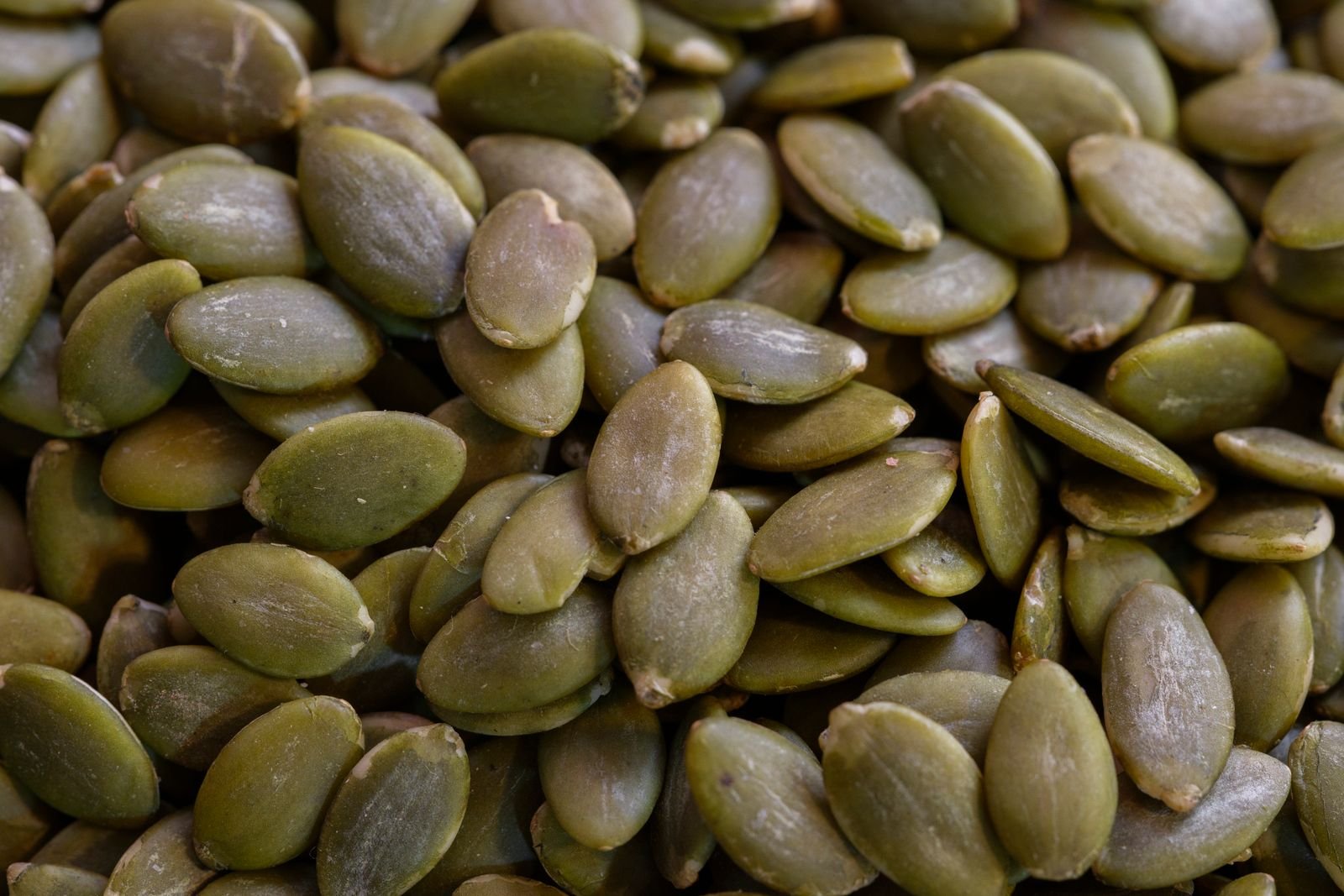
- Legumes, nuts, seeds, and whole grains (plant sources, though less well-absorbed)
- Dairy
A varied diet including these often provides adequate zinc, so for many men, food covers their zinc needs without a supplement (see best diet for men over 40 and the men’s supplement stack).
When (and How) to Supplement Zinc
If you’re likely deficient or have low zinc:
- A sensible supplemental dose: zinc supplements are commonly in moderate doses; you don’t need megadoses. Follow product guidance and don’t overdo it.
- Don’t take excessive zinc. This is important. Too much zinc can cause problems, including interfering with copper absorption (potentially causing copper deficiency) and other issues. More is definitely not better with zinc, excess is harmful, so avoid high-dose zinc unless directed.
- A quality product from a reputable brand (see how to read a supplement label).
- Consider it as part of correcting a deficiency, ideally confirmed or likely, rather than a routine “testosterone booster.”
So supplement zinc if you’re likely deficient, at a sensible dose, but avoid excess, and don’t take it expecting to boost testosterone above normal if you’re not low.
What to Ignore
To avoid the marketing traps:
- Ignore zinc marketed as a “testosterone booster” for all men: it only helps testosterone if you’re deficient, not if you already have enough.
- Ignore high-dose zinc products: excess zinc is harmful (copper deficiency and other issues); more isn’t better.
- Don’t supplement zinc routinely without reason, if your diet is varied and you’re not deficient, you likely don’t need it.
- Ignore exotic “testosterone” blends featuring zinc among many ingredients (see when supplements are a waste of money).
Frequently Asked Questions
Do men need a zinc supplement?
It depends on whether you’re deficient. If you’re zinc-deficient, supplementing helps (correcting deficiency can improve testosterone toward normal and support health). If you already have enough zinc, supplementing does little, and excess can be harmful. Many men get adequate zinc from a varied diet.
Does zinc boost testosterone?
Only if you’re deficient. Zinc deficiency can lower testosterone, so correcting a true deficiency can improve testosterone back toward normal. But if your zinc is already adequate, taking more does not further boost testosterone above normal. Zinc corrects a deficiency; it doesn’t supercharge testosterone.
Am I likely zinc-deficient?
Possibly if you eat few zinc-rich foods, follow a restrictive or vegetarian/vegan diet (plant zinc is less absorbed and many high-zinc foods are animal-based), have absorption issues, or are older. But many men with a varied diet get adequate zinc from food. Don’t assume you’re deficient, it depends on your diet.
Can you take too much zinc?
Yes, and it’s important to avoid. Excess zinc can cause problems, including interfering with copper absorption (potentially causing copper deficiency) and other issues. More is definitely not better with zinc, so avoid high-dose zinc supplements unless specifically directed. Stick to sensible doses.
What foods are high in zinc?
Red meat, shellfish (oysters are famously very high), poultry, legumes, nuts, seeds, whole grains, and dairy. Animal sources are generally better absorbed than plant sources. A varied diet including these often provides adequate zinc, covering many men’s needs without a supplement.
The Bottom Line
Do you need a zinc supplement? It depends entirely on whether you’re deficient. Zinc matters for men: it’s involved in testosterone production, immunity, and many processes, which is why it’s marketed for testosterone. But the key nuance the marketing glosses over is that zinc corrects a deficiency; it doesn’t boost testosterone above normal in men who already have enough. So if you’re zinc-deficient (more likely with a restrictive or vegetarian/vegan diet, absorption issues, or low intake of zinc-rich foods), supplementing helps, correcting the deficiency can improve testosterone toward normal and support your health.
But if your zinc is already adequate (as it is for many men with a varied diet including red meat, shellfish, poultry, legumes, and dairy), supplementing does little, and excess zinc is harmful (it can cause copper deficiency and other issues). So supplement zinc if you’re likely deficient, at a sensible dose from a reputable brand, but avoid high doses and don’t take it as a routine “testosterone booster” if you’re not low. For many men, a varied diet covers zinc needs without a supplement.
This article is for informational purposes only and does not constitute medical advice. Consult a qualified healthcare professional before supplementing zinc, especially at higher doses.