

Search for the best diet for men over 40 and you’ll drown in competing brand-name plans, keto, paleo, carnivore, Mediterranean, intermittent fasting, each claiming to be the answer. Here’s the liberating truth: there is no single best diet, and chasing the perfect one is a distraction. What works after 40 is a set of principles you can apply to almost any reasonable way of eating, tailored to what you’ll stick to.
This guide lays out those principles, the things that matter for a man’s energy, muscle, and waistline after 40.
Here is what the best diet for men over 40 looks like in practice.
Why “Diets” Miss the Point
Every popular diet that works does so by getting you to eat better and less, usually by cutting out a category of food that reduces your overall calorie intake. None has magic properties (see calorie deficit explained). The problem with brand-name diets is that they’re rigid, often unsustainable, and focus on rules rather than the principles that matter.
For men over 40 specifically, the goal isn’t a temporary “diet”. It’s a sustainable way of eating that supports muscle, keeps you lean, gives you steady energy, and works for the next several decades. Principles beat plans. Here are the ones that matter.
The Principles That Matter
1. Prioritise protein
This is the single most important principle after 40. As you age, your body becomes less efficient at using protein (anabolic resistance), and you’re fighting muscle loss (sarcopenia). So you need more protein than you might think, around 1.2 to 1.6 g/kg bodyweight, or close to 1 gram per pound of target weight, spread across the day (see how much protein men need). Protein preserves muscle, keeps you full, and supports a healthy metabolism. If you get one thing right, get this.
2. Build meals around whole foods
Emphasise minimally processed foods: quality proteins, vegetables, fruits, legumes, whole grains, nuts, and healthy fats. Whole foods are more filling and nutrient-dense per calorie, making it easier to stay lean and get what your body needs. This single shift, more whole foods, less ultra-processed, does more than any specific diet label.
3. Minimise ultra-processed food and added sugar
Ultra-processed foods and added sugar are easy to overeat, spike blood sugar, and contribute to belly fat and poor energy (see sugar and men’s health). You don’t need to eliminate them, but making them the exception rather than the staple is one of the highest-impact changes.
4. Eat enough vegetables and fibre
Vegetables provide nutrients, fibre, and volume that fills you up for few calories. Fibre supports gut health, blood sugar control, and satiety. Most men fall short here, aiming to fill half your plate with vegetables is a simple, effective target.
Related: Gut Health for Men: Why It Affects More Than Digestion
5. Manage portions and overall intake
Since metabolism is stable but activity often drops with age (see does metabolism slow with age), portion awareness matters. You don’t need to count every calorie, but being mindful of overall intake, especially of calorie-dense foods and drinks, keeps you lean. A moderate approach beats extremes.
6. Watch the liquid calories
Alcohol and sugary drinks are among the easiest ways to overconsume calories without noticing, and both drive belly fat (see alcohol and belly fat). Cutting back here is often the single most effective change for a man’s midsection.
7. Don’t fear healthy fats
Healthy fats (from fish, nuts, olive oil, eggs) support hormone production, including testosterone, and satiety (see foods that boost testosterone). The low-fat era oversold fat-cutting; quality fats belong in a good diet.
The Best Diet for Men Over 40: Is There a Framework?
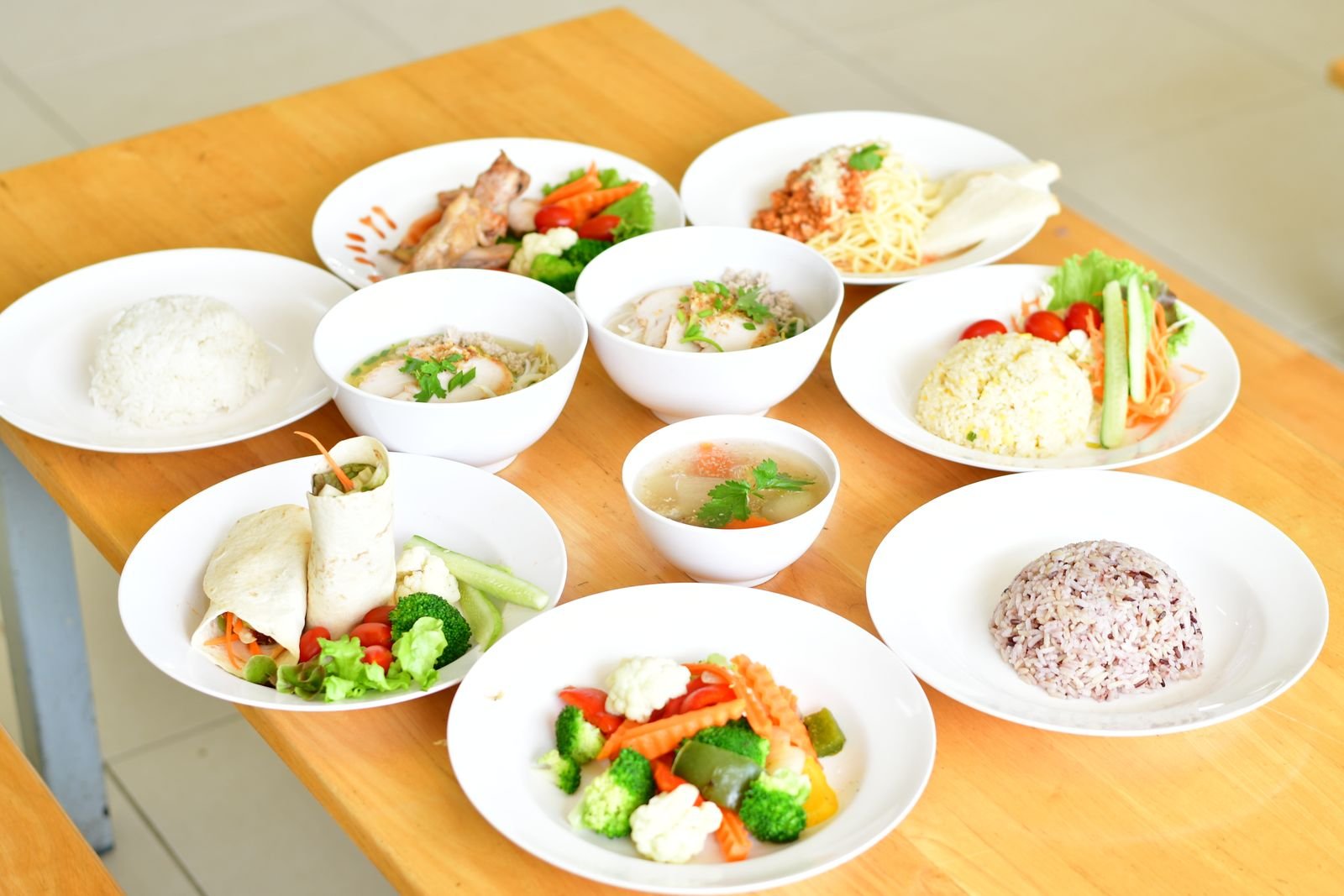
If you want a framework to hang these principles on, the Mediterranean-style diet has the strongest evidence for long-term health and longevity: it’s whole-food, plant-forward, includes fish and healthy fats, and is sustainable (see longevity habits). But even then, it’s the principles doing the work, not the label.
The best approach for you is whichever sustainable pattern lets you apply the principles above:
- If you like structure, a Mediterranean or high-protein whole-food approach works well
- If intermittent fasting helps you control intake, it can be a useful tool (see intermittent fasting for men)
- If you prefer three square meals, that’s fine too
The winning diet is the one you’ll follow for years, built on the principles, not the one with the best marketing.
Putting Together the Best Diet for Men Over 40
A simple template for a man over 40:
- Protein at every meal (aim for your daily target)
- Half your plate vegetables
- Whole-food carbs in portions matched to your activity
- Healthy fats included, not feared
- Ultra-processed food, added sugar, and alcohol minimised
- Portion awareness without obsessive counting
Combine that with resistance training (see building muscle after 40) and it’s the foundation for staying lean, strong, and energetic well beyond 40.
What a Day Looks Like
Principles are easy to nod along to and hard to shop for. Here is the same advice as a plate, which is how you will use it.
The plate, every time
- A palm or two of protein. Meat, fish, eggs, dairy, beans or tofu. This is the anchor, and it is the thing most men under-serve.
- Half the plate vegetables or salad. Volume and fibre for very few calories, which is what keeps portions in check without counting anything.
- A fist of carbohydrate. Rice, potatoes, oats, bread. More on training days, less on the couch days.
- A thumb of fat. Olive oil, nuts, avocado. Enough for flavour and satiety, not so much that the calories quietly double.
A realistic day
- Breakfast. Greek yoghurt with berries and nuts, or eggs on wholegrain toast. Both land 25 to 35g of protein before you leave the house, which sets up the rest of the day.
- Lunch. A large salad or grain bowl with a proper portion of chicken, tuna or chickpeas. Build it around the protein and the vegetables, then add the carbohydrate.
- Snack. Cottage cheese, a piece of fruit with nuts, or leftovers. This is where most men either coast or undo the day.
- Dinner. Whatever you would normally cook, with the plate model applied. Nothing exotic, just more protein and more vegetables than you are probably used to.
Notice what is absent. No meal timing rules, no forbidden foods, no supplements. The pattern above works because it is repeatable on a Tuesday when you are tired, which is the only test that matters.
Eating Out, Drinking, and Real Life
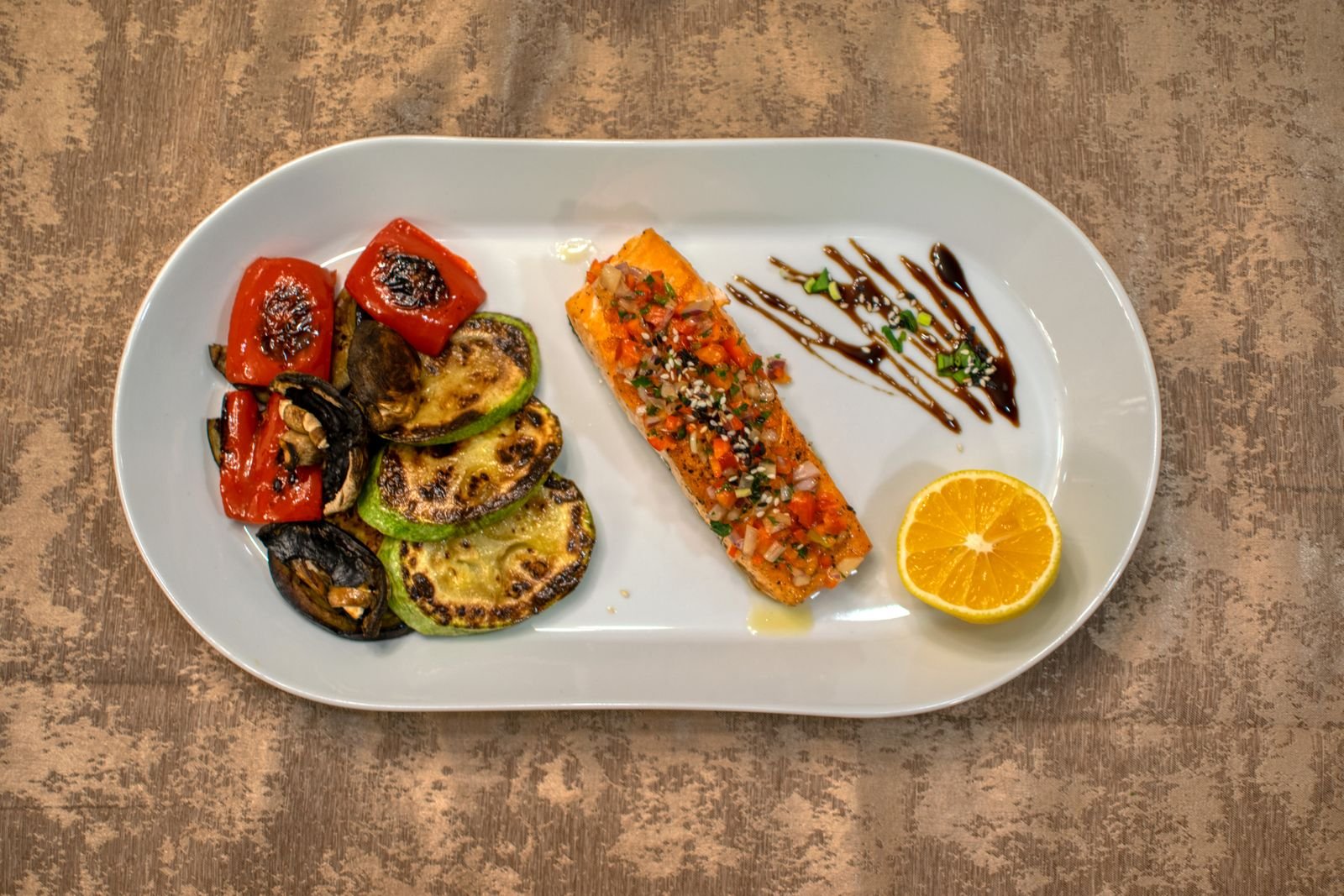
Any way of eating that collapses the moment you leave your kitchen is not a plan. It is a holiday from your actual diet. The men who hold their weight in their forties are not the ones with the strictest rules. They are the ones with rules that survive a restaurant.
- Restaurants. Order the protein first and build around it. Grilled over fried, sauce on the side if you think of it, and stop when you are satisfied rather than when the plate is clear. That gets you most of the way without being the person interrogating the waiter.
- Alcohol. This is usually the single biggest lever for men over 40, and the least popular one. Alcohol is calorie-dense, it disinhibits eating, and it damages sleep quality, which then affects appetite the following day. You do not need to quit. You do need to be accurate about how many drinks a week you are having.
- Bad weeks. A poor week is a rounding error across a year. The damage comes from treating it as evidence you have failed and abandoning the whole thing until January. Resume at the next meal, not the next Monday.
The one thing to change first
If all of this feels like a lot, pick one: add a proper protein source to breakfast. It is the smallest change on this page and it tends to pull the rest along with it, because it blunts the mid-morning hunger that drives most of the poor decisions later in the day.
FAQ: Best Diet for Men Over 40
What’s the best diet for men over 40?
There’s no single best diet. What works is a set of principles, high protein, whole foods, minimal ultra-processed food and sugar, plenty of vegetables, and portion awareness, applied to whatever sustainable pattern you’ll follow. The Mediterranean style has the strongest long-term evidence.
How much protein do men over 40 need?
More than younger men, due to anabolic resistance, around 1.2 to 1.6 g/kg bodyweight (close to 1 g/lb of target weight), spread across the day. Protein is the most important dietary principle after 40.
Is keto or intermittent fasting best after 40?
Neither is inherently best, they work by helping you control intake. If a given approach helps you eat well and stay consistent, it’s useful; if not, it isn’t. The principles matter more than the specific method.
What foods should men over 40 avoid?
Nothing needs total elimination, but minimise ultra-processed foods, added sugar, and excess alcohol, these drive belly fat, poor energy, and overeating. Make them exceptions rather than staples.
Do men over 40 need to eat less?
Somewhat more portion-aware, yes, since activity often drops with age while metabolism stays stable. But the bigger levers are prioritising protein and whole foods and cutting liquid calories, rather than simply eating less of everything.
The Bottom Line on Best Diet for Men Over 40
The best diet for men over 40 isn’t keto, paleo, or any brand-name plan. It’s a set of sustainable principles: prioritise protein (more than you think), build meals around whole foods, minimise ultra-processed food and added sugar, eat plenty of vegetables, watch liquid calories, and don’t fear healthy fats. Apply these to whatever eating pattern you’ll stick to for years, the Mediterranean style has the best long-term evidence, but the principles do the real work. Pair it with resistance training, and you’ve got the foundation for staying lean, strong, and energetic for decades. Stop chasing the perfect diet; nail the principles instead.
Related: How to Eat Out and Stay Healthy (Without Being Miserable)
This article is for informational purposes only and does not constitute medical advice. Consult a qualified healthcare professional or registered dietitian for personalised dietary guidance.
Sources
- Bauer J et al. Evidence-based recommendations for optimal dietary protein intake in older people: a position paper from the PROT-AGE Study Group. J Am Med Dir Assoc, 2013
- Estruch R et al. Primary Prevention of Cardiovascular Disease with a Mediterranean Diet Supplemented with Extra-Virgin Olive Oil or Nuts. N Engl J Med, 2018
- Gardner CD et al. Effect of Low-Fat vs Low-Carbohydrate Diet on 12-Month Weight Loss in Overweight Adults and the Association With Genotype Pattern or Insulin Secretion: The DIETFITS Randomized Clinical Trial. JAMA, 2018
- Pontzer H et al. Daily energy expenditure through the human life course. Science, 2021
- Dietary Guidelines for Americans: overall dietary patterns for adults.