
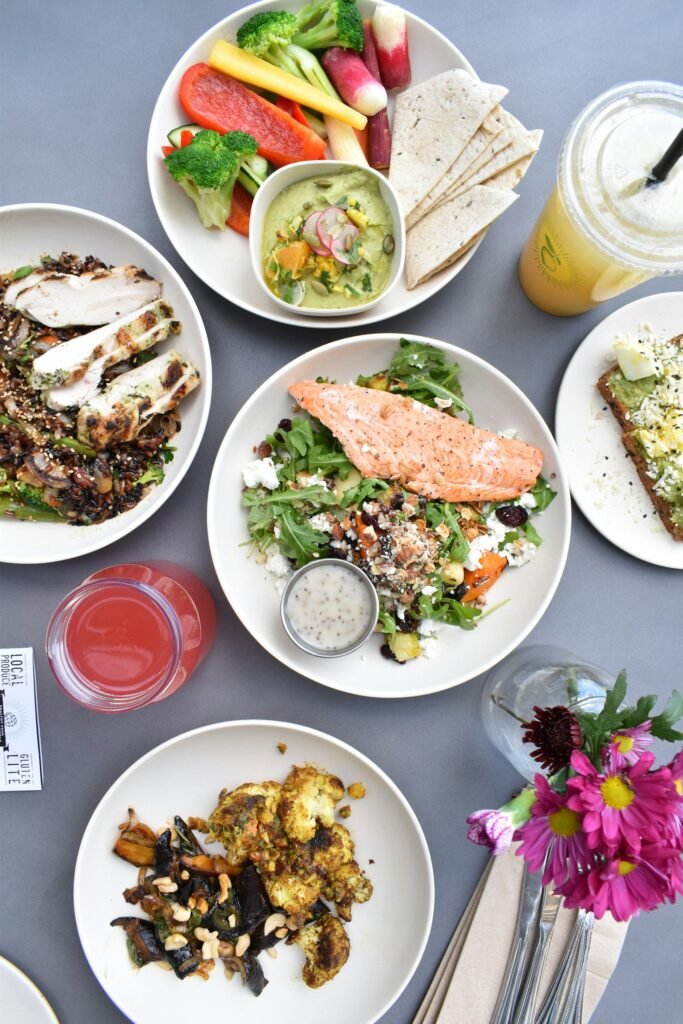
Let’s start with a disclaimer most articles on this topic skip: no food is going to transform your testosterone overnight. If your levels are clinically low, broccoli won’t fix that. But that doesn’t mean diet is irrelevant, far from it. What you eat affects the nutrients testosterone production depends on, your body fat (a major driver of hormone balance), and the inputs that either support or sabotage your endocrine system. That said, some foods that boost testosterone do earn their place, mostly by fixing deficiencies.
Related: Boron for Testosterone: What the Evidence Actually Shows
So this guide takes the realistic angle: the foods that support healthy testosterone by supplying what your body needs, and the dietary patterns quietly working against you.
Below, we sort the foods that boost testosterone from the ones that only claim to.
How Diet Affects Testosterone
Before the food list, understand the mechanism: it’s the difference between hype and reality. Diet influences testosterone in three main ways:
- Supplying raw materials. Testosterone production depends on specific nutrients: notably zinc, vitamin D, and healthy fats (cholesterol is the building block of testosterone). A deficiency in these can limit production (see zinc deficiency in men and vitamin D deficiency in men).
- Managing body fat. Excess body fat, especially belly fat, converts testosterone to estrogen and lowers levels (see testosterone and belly fat). A diet that helps you stay lean supports healthy testosterone indirectly but powerfully.
- Avoiding suppression. Excess alcohol, heavily processed food, and chronic blood-sugar spikes can all suppress testosterone.
The takeaway: food’s role is mostly about correcting deficiencies and maintaining a healthy weight, not magic ingredients. With that framing, here’s what helps.
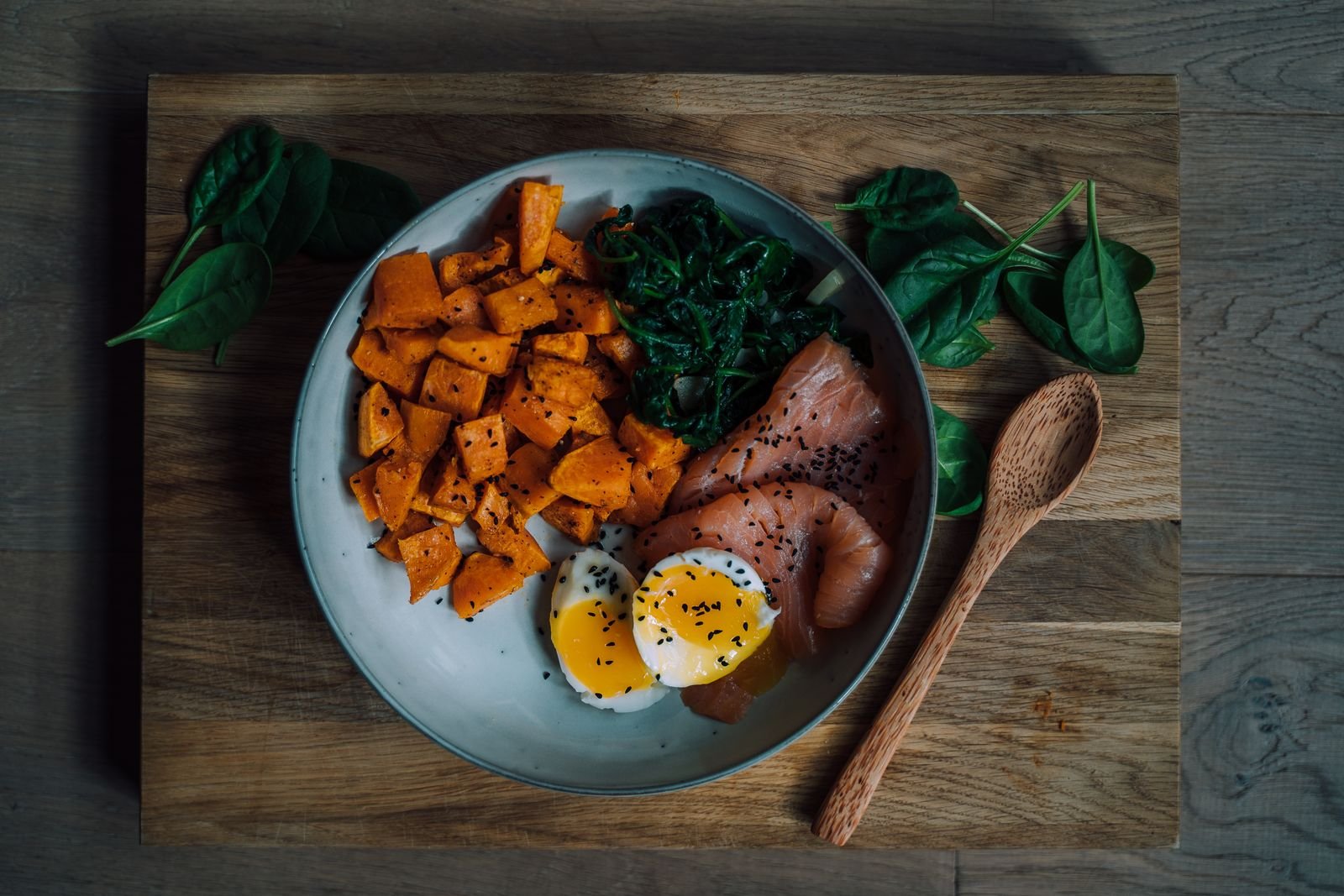
Foods That Boost Testosterone Naturally
Oysters and shellfish. The standout source of zinc, the mineral most directly tied to testosterone production. Zinc deficiency is linked to lower testosterone, so correcting it matters, we cover this in our guide to zinc deficiency in men. Oysters are the most concentrated dietary source there is.
Fatty fish (salmon, sardines, mackerel). Rich in vitamin D and omega-3 healthy fats, both supportive of hormone production. Fatty fish also provides zinc and quality protein.
Eggs. Egg yolks supply cholesterol (the raw material for testosterone), vitamin D, and quality protein. Don’t fear the yolk: that’s where the hormone-supporting nutrients live.
Red meat (in moderation). A good source of zinc, protein, and dietary fat. The “moderation” caveat matters, excessive red meat has been associated with other health downsides, so balance it with other proteins.
Leafy greens (spinach, Swiss chard, kale). High in magnesium, a mineral linked to testosterone availability. Magnesium also supports sleep, which is itself critical for testosterone.
Pomegranate, berries, and other antioxidant-rich fruits. Help reduce oxidative stress, which can otherwise impair testosterone production.
Nuts and seeds. Pumpkin seeds in particular are rich in zinc and magnesium. They also provide healthy fats.
Foods rich in vitamin D, plus sensible sunlight, since vitamin D is tied to testosterone and deficiency is extremely common, see our guide to vitamin D deficiency in men.
Cruciferous vegetables (broccoli, cauliflower). Contain compounds that may help manage estrogen balance, supporting a healthier testosterone-to-estrogen ratio.
The Foods and Habits That Lower Testosterone
Just as important as what to add is what to cut back:
Excess alcohol. One of the clearest dietary testosterone-killers. Heavy drinking suppresses testosterone production directly and disrupts sleep, compounding the effect. Moderate intake is less of an issue; chronic heavy drinking is a real problem.
Ultra-processed foods and refined carbs. Diets high in processed food, sugar, and refined grains are associated with lower testosterone, partly through weight gain and insulin resistance, partly through other mechanisms. Sugar spikes in particular can acutely lower testosterone.
Too much sugar. Beyond the weight angle, high sugar intake has been linked to reduced testosterone levels.
Trans fats and excessive processed vegetable oils. Associated in some research with poorer testosterone and sperm health.
Chronic excess calories leading to obesity. This is the big one, carrying excess body fat is one of the most significant dietary-driven suppressors of testosterone, because fat tissue converts testosterone to estrogen.
The Bottom Line on Diet
The single most powerful dietary lever for testosterone isn’t any superfood. It’s maintaining a healthy body fat level. A man who loses excess belly fat through a balanced diet will often see a more meaningful testosterone improvement than one who just adds “testosterone foods” on top of a poor diet.
Related: Gut Health for Men: Why It Affects More Than Digestion
So the real strategy is: eat a whole-food diet that keeps you lean, ensure you’re not deficient in zinc, magnesium, and vitamin D, include healthy fats and quality protein, and go easy on alcohol and ultra-processed food. Combined with resistance training (see our guide to exercises that boost testosterone) and good sleep. That’s the foundation. No single food does the work, the overall pattern does.
FAQ: Foods That Boost Testosterone
Some quick answers on foods that boost testosterone:
What foods increase testosterone the most?
There’s no magic food, but the most supportive include oysters and shellfish (zinc), fatty fish and eggs (vitamin D and healthy fats), leafy greens (magnesium), and lean proteins. They work by supplying nutrients testosterone production needs.
Can food really raise low testosterone?
Food can help correct deficiencies and support healthy levels, and losing excess body fat through diet can meaningfully improve testosterone. But clinically low testosterone usually needs medical assessment, diet alone won’t fix it.
What foods lower testosterone?
Excess alcohol, ultra-processed foods, refined sugar and carbs, trans fats, and any pattern that leads to excess body fat. The weight-gain effect is one of the biggest factors.
Does soy lower testosterone?
Despite the popular belief, moderate soy intake hasn’t been clearly shown to lower testosterone in men in most research. The bigger dietary risks are alcohol, sugar, and processed food.
Is cholesterol good for testosterone?
Cholesterol is the building block your body uses to make testosterone, which is why whole eggs and some dietary fat support production. This doesn’t mean overeating, it means not fearing healthy fats and quality protein.
The Bottom Line on Foods That Boost Testosterone
The bottom line on foods that boost testosterone: Food supports testosterone mainly by supplying the nutrients production depends on, zinc, magnesium, vitamin D, healthy fats, and, most importantly, by helping you stay lean. Build your diet around oysters and shellfish, fatty fish, eggs, leafy greens, nuts, and quality protein, while cutting back on alcohol, sugar, and ultra-processed food. But keep expectations realistic: no food is a magic bullet. The biggest dietary win for your testosterone is maintaining a healthy body fat level: everything else is supporting cast.
This article is for informational purposes only and does not constitute medical advice. Consult a qualified healthcare professional about low testosterone.
Sources
- Whittaker J et al. Low-fat diets and testosterone in men: Systematic review and meta-analysis of intervention studies. J Steroid Biochem Mol Biol, 2021
- The Interplay between Magnesium and Testosterone in Modulating Physical Function in Men, PMC
- The effects of alcohol on testosterone synthesis in men: a review, Expert Review of Endocrinology and Metabolism
- Lifestyle strategies to help prevent natural age-related decline in testosterone, Harvard Health