
Few nutrition topics are as polarised as red meat. One side calls it a nutritional cornerstone; the other links it to cancer and heart disease. For men who enjoy red meat and want to make informed choices, the conflicting messages are confusing. When it comes to red meat and health, the evidence is more nuanced than either extreme: red meat isn’t the poison some claim, nor is unlimited consumption harmless, and a crucial distinction between processed and unprocessed red meat drives much of the confusion. This guide gives you the balanced picture.
The Crucial Distinction: Processed vs Unprocessed
Here’s the single most important thing to understand, because it resolves much of the confusion. Processed red meat and unprocessed red meat are not the same, and the health concerns are much stronger for processed meat:
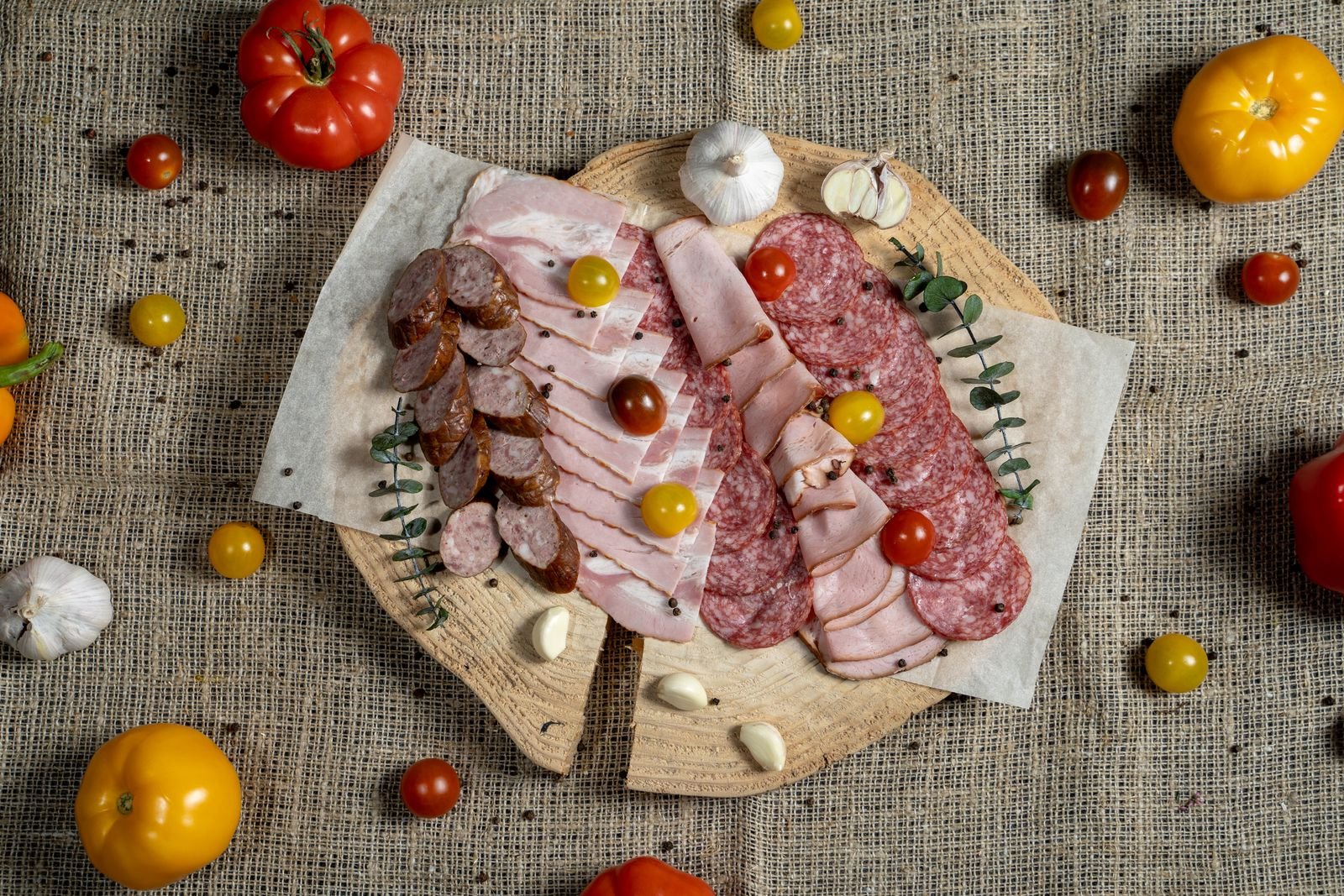
- Processed red meat (bacon, sausages, hot dogs, deli meats, ham, salami) has been preserved by smoking, curing, salting, or adding chemical preservatives. The evidence linking it to health harms (colorectal cancer, heart disease) is stronger and more consistent. The World Health Organization classifies processed meat as a Group 1 carcinogen (meaning there’s convincing evidence it can contribute to cancer, though this is about the strength of evidence, not the size of the risk).
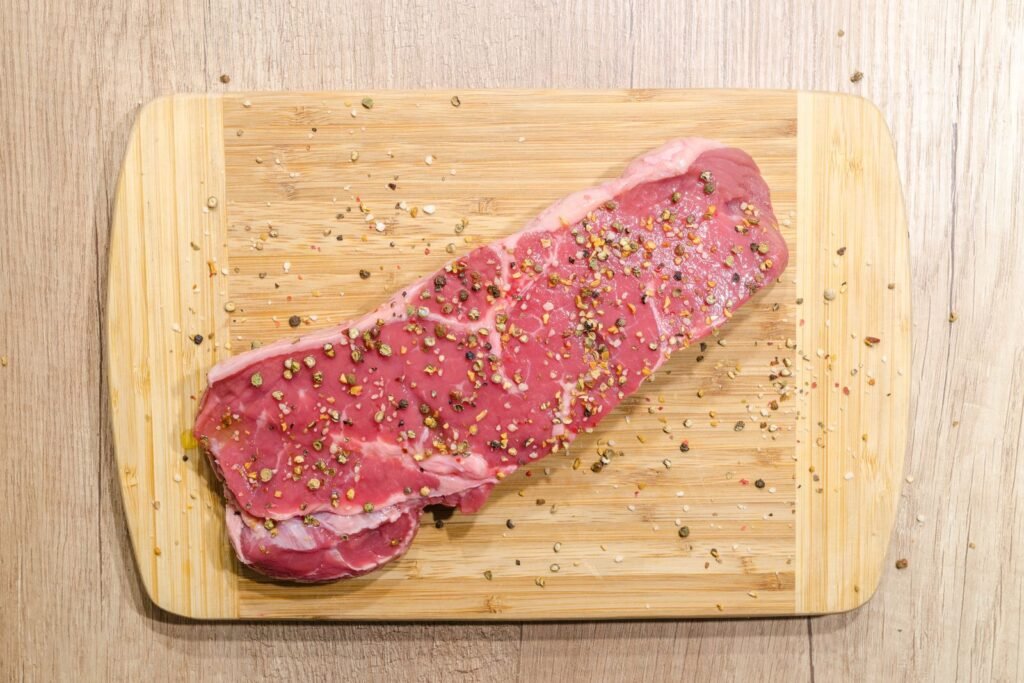
- Unprocessed red meat (fresh beef, lamb, pork) has weaker and more debated evidence for harm. The WHO classifies it as “probably carcinogenic” (Group 2A), a weaker classification, and the research on unprocessed red meat and health is mixed and contested.
So a lot of the “red meat is dangerous” messaging is really strongest for processed meat. When people lump all red meat together, they conflate the well-evidenced concerns about processed meat with the murkier picture for unprocessed meat. This distinction is key to a clear answer.
What the Evidence Shows
A summary of the nuanced picture:
Processed meat: The evidence is reasonably strong that high consumption of processed meat is associated with increased risk of colorectal cancer and cardiovascular disease. This is the clearest concern, and where moderation matters most. Minimising processed meat is a sensible, well-supported choice.
Unprocessed red meat: The evidence is weaker, mixed, and debated. Some studies associate high red meat intake with health risks, but the associations are often modest, and observational studies (which most of this is) can’t prove causation and are affected by confounding factors (people who eat lots of red meat may have other unhealthy habits). Some high-profile reviews have concluded the evidence against moderate unprocessed red meat is weaker than often portrayed. So the case against moderate unprocessed red meat is far from settled.
The nutritional upside: Red meat is also nutritious, an excellent source of high-quality complete protein (see how much protein men need), iron, zinc (see zinc deficiency in men), vitamin B12 (see B12 deficiency in men), and other nutrients. It’s not just “bad”. It has real nutritional value, especially for men.
So the takeaway: processed meat is the bigger, better-evidenced concern; moderate unprocessed red meat is far more defensible and nutritionally valuable, though very high consumption is best avoided.
How Much Red Meat Is Fine?
Based on the balanced evidence, sensible guidance:
- Minimise processed meat. Given the stronger evidence, treat bacon, sausages, hot dogs, and deli meats as occasional foods rather than staples. This is the highest-priority change.
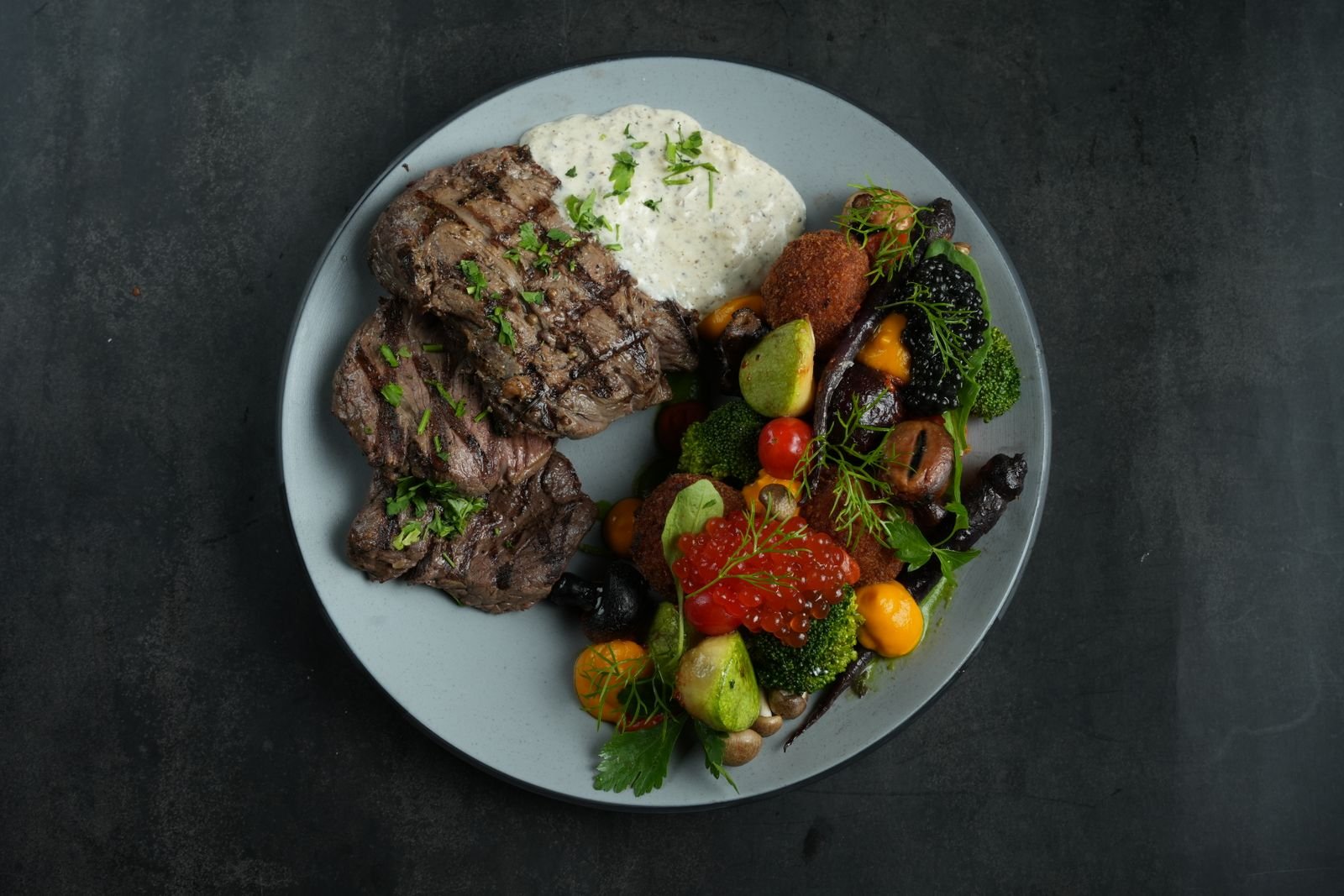
- Moderate unprocessed red meat is reasonable. Enjoying fresh beef, lamb, or pork in moderation, as part of a varied diet, is a defensible choice with real nutritional benefits. General guidance often suggests keeping unprocessed red meat to moderate amounts (some guidelines suggest limiting to a few servings a week), but moderate intake is not the health hazard some claim.
- Context matters. Red meat as part of an overall healthy, whole-food diet with plenty of vegetables, fibre, and variety is very different from red meat as part of a junk-heavy diet. The overall dietary pattern matters more than any single food (see best diet for men over 40).
- How you cook it matters somewhat. Charring/burning meat at very high heat creates some potentially harmful compounds, so avoiding heavily charred meat is a minor sensible step.
The Balanced Perspective
The non-dogmatic view: red meat, especially unprocessed, isn’t the poison the most alarmist takes suggest, and it’s a nutritious food. But that doesn’t mean unlimited consumption of any red meat is optimal, minimising processed meat is well-supported, and keeping unprocessed red meat to moderate amounts within a varied, whole-food diet is sensible. If you enjoy red meat, you don’t need to fear moderate unprocessed red meat or eliminate it, but do minimise processed meat and prioritise an overall healthy dietary pattern. This balanced approach reflects what the evidence supports, rather than either extreme.
What an 18 Percent Increase Means
The headline number from the World Health Organization’s cancer agency is that each 50 gram portion of processed meat eaten daily raises the risk of colorectal cancer by about 18 percent. That is roughly two rashers of bacon or one hot dog. The figure is accurate, and it is also easy to misread. It is a relative increase, and relative numbers mean little until you know the starting point.
From relative to absolute
US data puts the lifetime risk of colorectal cancer at about 3.9 percent, or roughly 1 in 26 people. An 18 percent relative increase on that baseline takes it to around 4.6 percent. Put another way, among 100 men who ate a daily portion of processed meat for life, the evidence suggests less than one extra case of colorectal cancer compared with 100 men who did not.
That is not nothing. Across a whole population eating this way for decades, it adds up to many cases. For one person, it is a modest shift in a risk that is already fairly low.
Why “Group 1” does not mean “as bad as smoking”
The agency put processed meat in the same category as tobacco, which produced a wave of alarming headlines. Its own explanation is clear that the groups describe how strong the evidence is that something causes cancer, not how much cancer it causes. The evidence that processed meat causes some cancer is convincing. The size of the effect is far smaller than smoking’s.
What to do with this
Treat processed meat as an occasional food rather than a daily one. Keep unprocessed red meat to a few moderate portions a week, and swap some for fish, poultry or legumes. The fibre-rich diet described on this page pulls in the other direction, since higher fibre intake is linked to lower colorectal risk. And if you are over 45, making sure you are up to date with bowel cancer screening does far more for your odds than any single food choice.
Frequently Asked Questions
Is red meat bad for you?
It’s nuanced. Processed red meat (bacon, sausages, deli meats) has stronger evidence for health harms and is best minimised. Unprocessed red meat (fresh beef, lamb, pork) has weaker, debated evidence, and moderate consumption is defensible and nutritionally valuable. It’s not the poison some claim, but very high intake is best avoided.
What’s the difference between processed and unprocessed red meat?
Processed meat is preserved by smoking, curing, salting, or preservatives (bacon, sausages, hot dogs, deli meats) and has stronger evidence for harm. Unprocessed meat is fresh (beef, lamb, pork) with weaker, more debated evidence. The health concerns are much stronger for processed meat.
How much red meat is safe to eat?
Minimise processed meat (treat it as occasional). Moderate unprocessed red meat, a few servings a week within a varied whole-food diet, is reasonable and defensible. The overall dietary pattern matters more than any single food, and moderate unprocessed red meat isn’t the hazard some claim.
Does red meat cause cancer?
Processed meat has reasonably strong evidence linking high consumption to colorectal cancer (classified by the WHO as a Group 1 carcinogen based on evidence strength). Unprocessed red meat has weaker, debated evidence (Group 2A, “probably”). Minimising processed meat is the well-supported priority.
Is red meat healthy or unhealthy?
Both aspects are real. Red meat is nutritious, high-quality protein, iron, zinc, B12, but high consumption (especially processed) carries health concerns. Moderate unprocessed red meat within a healthy diet is a reasonable, nutritious choice; processed meat is best minimised.
The Bottom Line
Is red meat bad for you? The answer is more nuanced than either extreme. The crucial distinction is between processed and unprocessed: processed red meat (bacon, sausages, deli meats) has stronger, more consistent evidence for health harms and is best minimised, while unprocessed red meat (fresh beef, lamb, pork) has weaker, debated evidence, and moderate consumption is defensible and nutritionally valuable. Much “red meat is dangerous” messaging conflates the two, applying the well-evidenced concerns about processed meat to all red meat. Red meat is also nutritious, an excellent source of protein, iron, zinc, and B12. So if you enjoy red meat, you don’t need to fear moderate unprocessed red meat or eliminate it, but do minimise processed meat (the well-supported priority) and keep it within an overall healthy, varied, whole-food diet. That balanced approach reflects what the evidence supports.
This article is for informational purposes only and does not constitute medical advice. Consult a qualified healthcare professional or registered dietitian for personalised dietary guidance.
Sources
- Bechthold A et al. Food groups and risk of coronary heart disease, stroke and heart failure: A systematic review and dose-response meta-analysis of prospective studies. Crit Rev Food Sci Nutr, 2019
- Wang X et al. Red and processed meat consumption and mortality: dose-response meta-analysis of prospective cohort studies. Public Health Nutr, 2016
- Zeraatkar D et al. Red and Processed Meat Consumption and Risk for All-Cause Mortality and Cardiometabolic Outcomes: A Systematic Review and Meta-analysis of Cohort Studies. Ann Intern Med, 2019
- IARC: Q&A on the carcinogenicity of the consumption of red meat and processed meat.
- SEER Cancer Stat Facts: Colorectal Cancer, lifetime risk.