
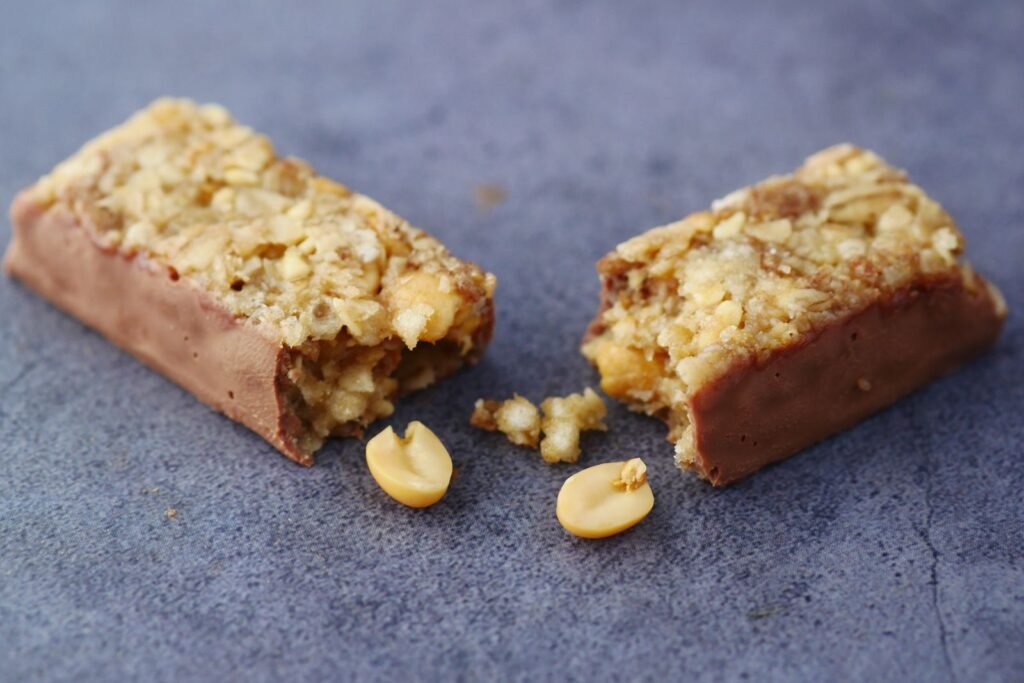
Protein bars are marketed as convenient, healthy snacks, a quick way to get protein on the go. And a good one is useful. But here’s the catch: many “protein bars” are essentially candy bars with a bit of added protein, loaded with sugar and calories. The difference between a good protein bar and glorified candy comes down to reading the label. This guide covers whether protein bars are healthy, how to tell a good one from junk, and what to look for.
The Answer: It Depends Entirely on the Bar
Protein bars aren’t inherently healthy or unhealthy, it depends entirely on the specific bar, and they vary enormously. Some are good, high-protein, reasonable-calorie, low-sugar snacks. Others are essentially candy bars, loaded with sugar and low in actual protein, wrapped in “protein” marketing. So the question isn’t “are protein bars healthy” in general, it’s “is this protein bar a good one,” which you determine by reading the label. Many men grab a “protein bar” assuming it’s healthy, when it’s closer to a chocolate bar (see how to read a supplement label).
What Makes a Protein Bar Good vs Junk
Here’s how to tell the difference, the key label factors:
1. Actual protein content (the whole point). A good protein bar should have a meaningful amount of protein, often around 15 to 20+ grams. If a “protein bar” has only 5 to 10 grams of protein, it’s barely a protein bar. It’s mostly other stuff. Check the protein number; it should be substantial relative to the calories.
2. Sugar content (the big one). This is where “protein bars” often fail. Many are loaded with added sugar (see sugar and men’s health). A good protein bar should be relatively low in added sugar; a bar with lots of sugar is closer to candy. Check the (added) sugar, if it’s high, it’s a treat, not a healthy snack.
3. Calories relative to protein. A good protein bar delivers decent protein without excessive calories. Some bars are very calorie-dense (essentially a meal’s worth of calories, often from sugar and fat), which matters if you’re managing your intake (see calorie deficit explained). Check calories per gram of protein: you want good protein for the calories.
4. Ingredient quality. Check the ingredient list, better bars have more recognizable ingredients, while junky ones have long lists of sugars, syrups, and additives (see how to read a supplement label). Watch for many forms of sugar listed separately.
5. The protein source and fillers. Some cheaper bars pad the protein with lower-quality sources or use “protein” claims loosely. A reputable bar with a quality protein source is better.
So a good protein bar has substantial protein (15 to 20+ grams), relatively low added sugar, reasonable calories for its protein, and decent ingredients, while a junk “protein bar” has less protein, lots of sugar, high calories, and poor ingredients. The label tells you which you’re holding.

When Protein Bars Are Useful
A good protein bar is a useful tool:
- Convenient protein on the go, when you can’t have a proper meal or need quick protein (see high-protein snacks for weight loss).
- Helping hit your protein target: contributing to your daily protein (see how much protein men need).
- A better snack than typical junk: a good protein bar beats a candy bar or chips for a snack.
But keep them in perspective: a protein bar is a convenient supplement/snack, not a superior food. Whole-food protein sources (see high-protein foods for men) are generally better, and a protein bar is for convenience. So use good protein bars as a convenient option, not a dietary staple.
What to Watch Out For
To avoid the junk:
- Don’t assume “protein bar” means healthy: read the label, many are candy in disguise.
- Watch the sugar especially: high added sugar makes a “protein bar” closer to candy (see sugar and men’s health).
- Watch the calories: some are very calorie-dense, which matters if managing intake.
- Don’t over-rely on them: they’re convenient snacks, not a replacement for whole-food nutrition.
- Ignore health-halo marketing: the packaging and “protein” claims don’t guarantee it’s healthy; the label does.
Frequently Asked Questions
Are protein bars healthy?
It depends entirely on the specific bar, they vary enormously. Some are good (high-protein, reasonable-calorie, low-sugar), while many are essentially candy bars with a bit of protein, loaded with sugar. Read the label to tell a good protein bar from glorified candy; the packaging alone doesn’t guarantee it’s healthy.
How do I choose a good protein bar?
Check the actual protein content (a good bar has around 15 to 20+ grams), the added sugar (should be relatively low, not loaded), the calories relative to protein (good protein for the calories), and ingredient quality (recognizable ingredients, not long lists of sugars and additives). The label reveals whether it’s good or junk.
How much sugar should a protein bar have?
A good protein bar should be relatively low in added sugar. Many “protein bars” are loaded with sugar, making them closer to candy than a healthy snack. Check the added sugar specifically, if it’s high, the bar is more of a treat than a healthy protein snack.
Are protein bars good for weight loss?
A good protein bar (high protein, low sugar, reasonable calories) can be a useful, filling snack that helps hit your protein target and beats junk snacks. But many “protein bars” are high in sugar and calories, which works against weight loss. Choose a good one and account for its calories.
Are protein bars better than whole food?
No, whole-food protein sources (meat, fish, eggs, dairy, legumes) are generally better; a protein bar is for convenience. A good protein bar is a useful convenient option when you can’t have a proper meal or need quick protein, but it’s a supplement/snack, not a superior food or a dietary staple.
The Bottom Line
Are protein bars healthy? It depends entirely on the specific bar, they vary enormously, from good snacks to candy bars in disguise. Many “protein bars” are loaded with sugar and calories while containing modest protein, wrapped in “protein” marketing that creates a false health halo. So the question isn’t whether protein bars are healthy in general, but whether this bar is a good one, which you determine by reading the label. A good protein bar has substantial protein (around 15 to 20+ grams), relatively low added sugar, reasonable calories for its protein, and decent ingredients; a junk “protein bar” has less protein, lots of sugar, high calories, and poor ingredients.
A good protein bar is a useful, convenient tool for getting protein on the go, hitting your protein target, and snacking better than typical junk, but keep it in perspective as a convenient snack, not a superior food (whole-food protein is generally better) or a dietary staple. The key skill is reading the label: don’t assume “protein bar” means healthy, check the protein, sugar, calories, and ingredients, and you’ll easily tell a good protein bar from glorified candy.
This article is for informational purposes only and does not constitute medical advice. Consult a qualified healthcare professional or registered dietitian for personalised nutrition guidance.
Sources
- Hall KD et al. Ultra-Processed Diets Cause Excess Calorie Intake and Weight Gain: An Inpatient Randomized Controlled Trial of Ad Libitum Food Intake. Cell Metab, 2019
- Johnson RK et al. Dietary sugars intake and cardiovascular health: a scientific statement from the American Heart Association. Circulation, 2009
- FDA, How to Understand and Use the Nutrition Facts Label