
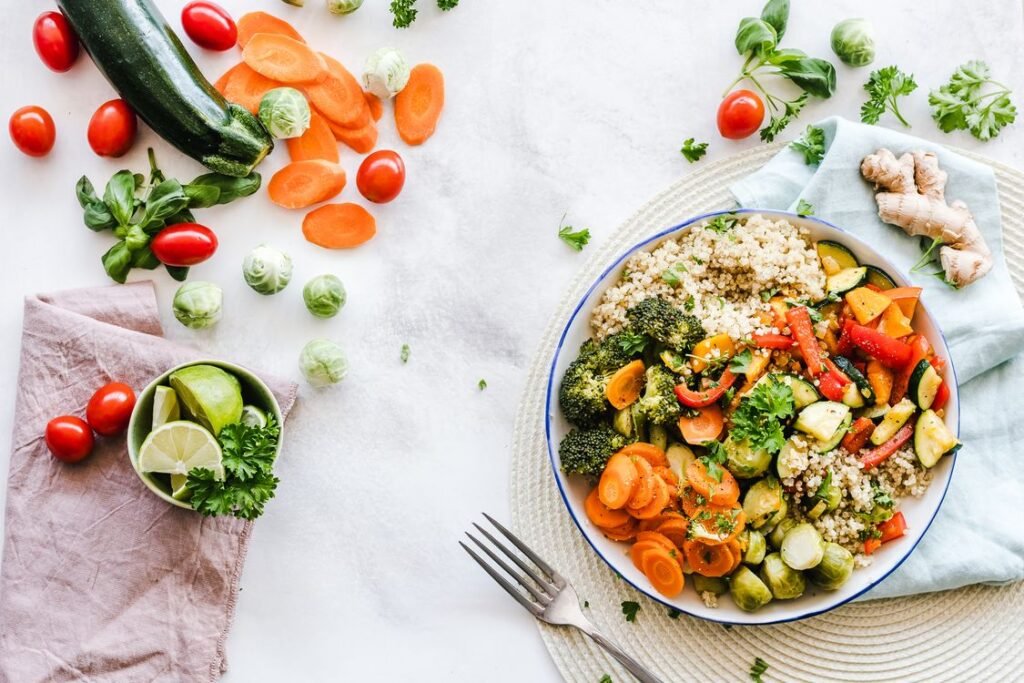
Zinc doesn’t get the attention vitamin D or magnesium do. It should. It’s a mineral your body uses for the activity of over 300 enzymes: everything from immune defence and wound healing to cell growth and, importantly for men, testosterone production. And because your body doesn’t store it, you have to take it in regularly through food or supplements, which is exactly why zinc deficiency symptoms in men are more common than most people realize.
The problem is that low zinc is easy to miss. The symptoms are vague, they overlap with a dozen other things, and they build slowly. This guide covers the signs of zinc deficiency that men specifically should watch for, who’s most at risk, and what to do about it, without overcorrecting into the opposite problem, which carries its own risks.
Why Zinc Matters More Than You Think
Zinc is involved in an enormous range of bodily functions. It supports the immune system, aids digestion, drives cell division, and helps wounds heal. For men, there’s an additional layer: the prostate gland contains one of the highest concentrations of zinc of any tissue in the body, and zinc plays a direct role in testosterone production.
That testosterone link is the part most men don’t know. When zinc levels drop significantly, testosterone can drop too, and low testosterone brings its own cascade of fatigue, low libido, and lost muscle. So a quiet zinc shortfall can show up as symptoms you’d never think to connect to a mineral.
The catch worth stating up front: this connection runs in one direction. Correcting a real deficiency can help restore testosterone. But loading up on zinc when you’re not deficient doesn’t push testosterone higher, and high-dose zinc carries real risks, which we’ll cover.
10 Zinc Deficiency Symptoms in Men You Shouldn’t Ignore
No single symptom proves you’re low on zinc. It’s the pattern that matters, and the more of these that apply, the more worth investigating.
1. You’re getting sick more often. Zinc is central to immune function. A noticeable uptick in colds and infections, or wounds and cuts that are slow to heal, is one of the more reliable signals.
2. Low libido or sexual difficulties. Because zinc supports testosterone production, a deficiency can show up as reduced sex drive. In more significant deficiency, it can contribute to erectile difficulties and, in severe cases, hypogonadism, where the body doesn’t produce enough testosterone.
3. Persistent fatigue. Low zinc can leave you feeling flat and tired in a way that’s hard to pin down, partly through its knock-on effect on testosterone and partly through its broader metabolic roles.
4. Hair loss. Thinning hair or unusual shedding is a recognised sign of zinc deficiency.
5. Skin problems. Rashes, dry or cracked skin, acne, or eczema-like patches can all be linked to inadequate zinc, given its role in skin repair.
6. Loss of taste or smell. A blunted sense of taste or smell is a classic (and often overlooked) sign of low zinc, because the mineral is involved in how these senses function.
7. Slow-healing wounds. Cuts, scrapes, or sores that take longer than they should to heal point to zinc’s role in tissue repair being under-supplied.
8. Brittle or changed nails. Changes in your nails (brittleness, white spots, slow growth) can accompany a deficiency.
9. Poor concentration or low mood. Zinc influences brain function, and low levels have been associated with mood changes and difficulty concentrating.
10. Loss of appetite. Ironically, being low in zinc can reduce appetite, which can then make the deficiency worse: a self-reinforcing loop.
If several of these sound familiar, it’s worth a conversation with a doctor who can test and confirm rather than guessing.
Who’s Most at Risk
True zinc deficiency is uncommon in healthy adults who eat a balanced, varied diet, but several groups are at higher risk:
- Vegetarians and vegans. This is the big one. Zinc from meat is absorbed more efficiently than zinc from plants. Plant-based diets also tend to be high in phytates: compounds in beans, whole grains, nuts, and legumes that bind zinc and limit how much your body can absorb. So plant-based eaters can take in zinc but absorb less of it.
- Men with low-protein diets, whether by choice or circumstance.
- People who drink heavily. Alcohol reduces zinc absorption and increases how much you lose, which is why zinc deficiency is more common in people with alcohol dependence.
- Men with digestive conditions that impair nutrient absorption, such as Crohn’s, coeliac disease, or other malabsorption syndromes.
- People with chronic kidney disease or other chronic illnesses.
Worldwide, an estimated billion-plus people don’t get enough zinc, largely due to diets low in well-absorbed sources, so this is far from a fringe concern.
How to Get More Zinc From Food
The best first step isn’t a supplement: it’s your plate. The most zinc-rich foods include:
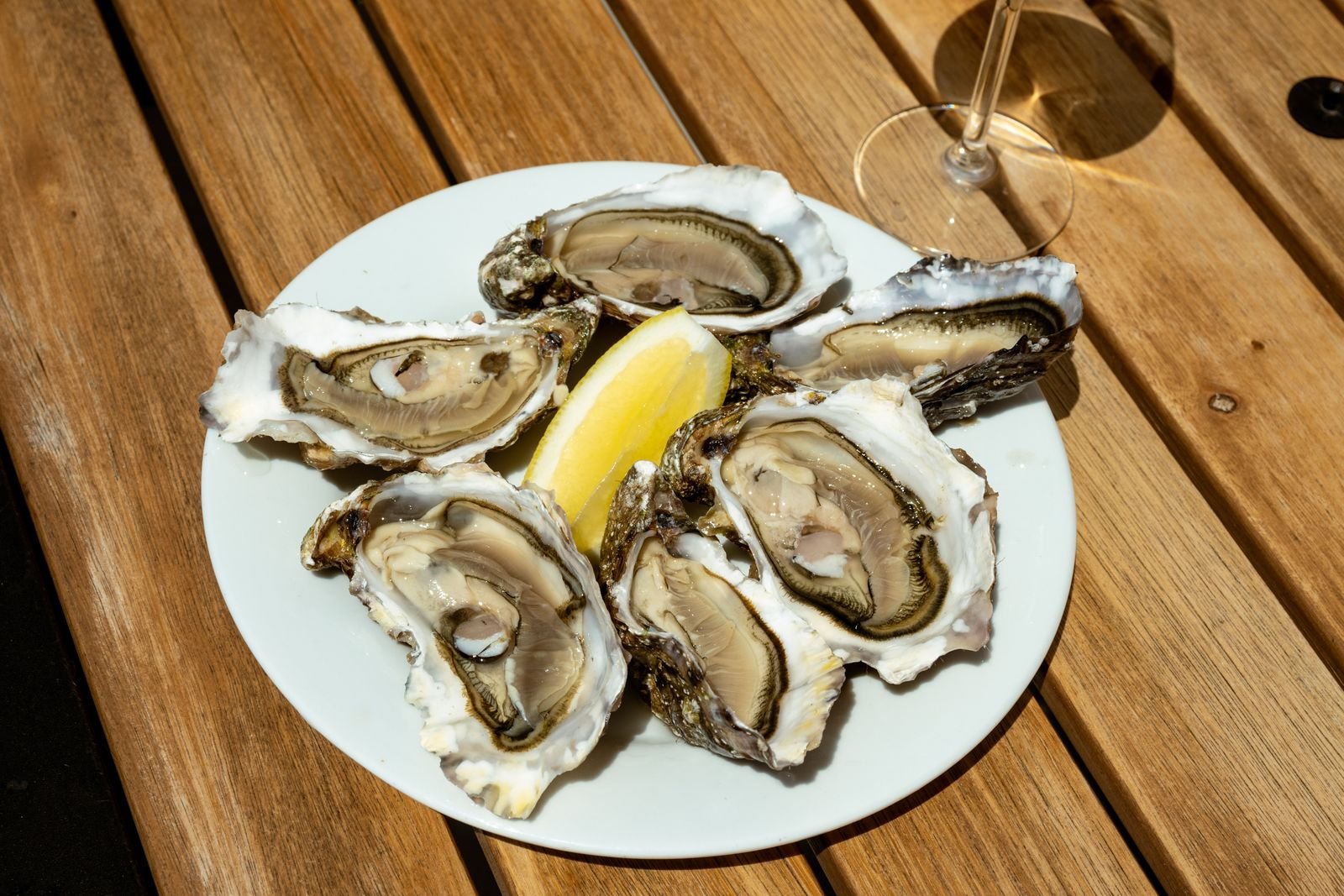
- Oysters: by a wide margin the most concentrated dietary source of zinc there is
- Red meat and poultry
- Shellfish like crab and lobster
- Eggs
- Beans, chickpeas, and lentils (good plant sources, though absorption is lower)
- Nuts and seeds: pumpkin seeds and cashews in particular
- Whole grains (again, with the phytate caveat)
If you eat meat and seafood regularly, you’re probably getting enough. If you’re plant-based, it pays to be deliberate: combining zinc-containing plant foods with techniques that reduce phytates (soaking, sprouting, or fermenting grains and legumes) can improve how much you absorb.

A Serious Warning About Zinc Supplements
Here’s where men get into trouble. Because zinc is tied to testosterone, supplement marketing pushes it hard, and more is emphatically not better.
- Supplementing zinc when you’re not deficient doesn’t raise testosterone. The benefit only applies to correcting an actual shortfall.
- High doses are harmful. Excessive zinc can cause nausea and other side effects, and chronically high intake interferes with your body’s absorption of copper, which can cause its own deficiency and problems.
- Notably, very high zinc intake (around 100 mg daily in some research) has been associated with an increased risk of prostate cancer, the opposite of what men taking it for “prostate support” intend.
The sensible approach: if you suspect you’re low, get tested. If you supplement, stay within recommended amounts (a typical men’s daily requirement is modest: in the region of 11 mg for adult men, not the mega-doses some products contain), and don’t stack multiple zinc-containing products on top of each other. When in doubt, ask a doctor or pharmacist.
FAQ: Zinc Deficiency Symptoms in Men
Can low zinc really lower testosterone?
Yes: in men who are zinc deficient, correcting the deficiency can help restore testosterone. But supplementing zinc when your levels are already adequate won’t push testosterone above normal.
How do I know for sure if I’m zinc deficient?
A doctor can assess your symptoms, diet, and risk factors and order a blood test. Because symptoms overlap with many other conditions, testing is more reliable than self-diagnosis.
How long does it take to correct a zinc deficiency?
With dietary changes or appropriate supplementation, symptoms tied to deficiency often improve over a few weeks to a couple of months, depending on severity and the underlying cause.
Is it safe to take a zinc supplement every day? Within recommended amounts, daily zinc is fine for most people. The risk comes from high doses over time, which can cause copper deficiency and other problems. Avoid stacking multiple zinc products.
Should vegetarians take a zinc supplement?
Not automatically, but plant-based eaters are at higher risk and should be deliberate about zinc-rich foods. If diet alone is falling short, a modest supplement may be reasonable; check with a healthcare provider.
Zinc sits within a broader picture of men’s nutritional and hormonal health. If you’re investigating fatigue or low testosterone, it’s worth assessing other systems alongside zinc: cortisol levels affect testosterone and energy in their own right, and heart rate variability can give you an ongoing, objective read on how recovered your body is day to day. No single marker tells the whole story, but together they form a practical picture of where you stand.
The Bottom Line on Zinc Deficiency Symptoms in Men
Zinc is a quietly essential mineral, and for men it carries an extra dimension through its role in testosterone and prostate health. The signs of deficiency (frequent illness, low libido, fatigue, hair and skin changes, loss of taste or smell, slow healing) are easy to miss because they’re vague and overlap with everything else. If you eat a varied diet with meat and seafood, you’re likely fine. If you’re plant-based, drink heavily, or have a condition affecting absorption, you’re more at risk and worth checking. And whatever you do, resist the temptation to mega-dose: with zinc, correcting a real shortfall helps, but more is not better, and can do harm.
This article is for informational purposes only and does not constitute medical advice. Talk to a qualified healthcare professional before starting any supplement, especially at higher doses.
Sources
1. Cleveland Clinic, Zinc Deficiency: Symptoms, Causes & Treatment. 2. Ubie Health, zinc deficiency and men’s sexual health. 3. Medical News Today, Zinc deficiency: Symptoms, diagnosis, and treatment. 4. Harvard Health Publishing, zinc and prostate health. 5. National Institutes of Health, Office of Dietary Supplements, Zinc Fact Sheet.