

For about a year, I took magnesium bisglycinate for sleep because the internet told me to, without really knowing which kind I was taking, what dose I needed, or whether it was doing anything at all. If that sounds familiar, this guide is the one I wish I’d had.
Magnesium bisglycinate has quietly become the most talked-about sleep supplement going, and for once, the hype has some real science behind it. But “some science” is not “magic,” and most of what gets posted online either oversells it as a cure for insomnia or buries the useful details under marketing. Let’s do this properly: what it is, the dose that actually matters, when to take it, and what you should realistically expect in the first few weeks.
What Magnesium Bisglycinate Is
Magnesium bisglycinate (also written magnesium glycinate) is magnesium bound to two molecules of glycine, an amino acid. That pairing matters for two reasons.
First, the chelated structure is gentle on your stomach. Cheaper forms like magnesium oxide and magnesium citrate are notorious for sending you to the bathroom at higher doses, but bisglycinate generally doesn’t, because it’s absorbed differently. If you’ve ever tried magnesium for sleep and given up because of loose stools, the form was probably the problem, not the mineral.
Second, glycine isn’t just a delivery vehicle. Glycine has its own mild sleep-promoting effect: it helps lower core body temperature, and a drop in core temperature is one of the signals that tells your brain it’s time to sleep. So with bisglycinate you’re getting two sleep-relevant compounds in one capsule, even if the glycine dose is modest.
Does Magnesium Bisglycinate for Sleep Actually Work?
Here’s the answer: yes for many people, but with caveats.
The strongest evidence is in people who are magnesium deficient or have low intake. Magnesium helps regulate the nervous system. It supports GABA, the calming neurotransmitter, and helps quiet neural excitability. If your levels are low, topping them up can improve how easily you fall asleep and how settled you feel at night.
Until recently, bisglycinate specifically hadn’t been put through a dedicated sleep trial, since most magnesium-sleep research used other forms. That changed with a 2025 randomized, placebo-controlled trial run across Germany in healthy adults reporting poor sleep. It was the first study designed specifically to test magnesium bisglycinate for sleep, which is a meaningful step up from the “magnesium in general seems to help” evidence we had before.
What it doesn’t do: fix the root cause of insomnia. If your sleep problem is driven by a late bedtime, screens in bed, caffeine timing, sleep apnea, anxiety, or chronic stress, magnesium is a support tool, not the foundation. It works best alongside good sleep habits, not as a replacement for them.
The Right Dosage for Sleep
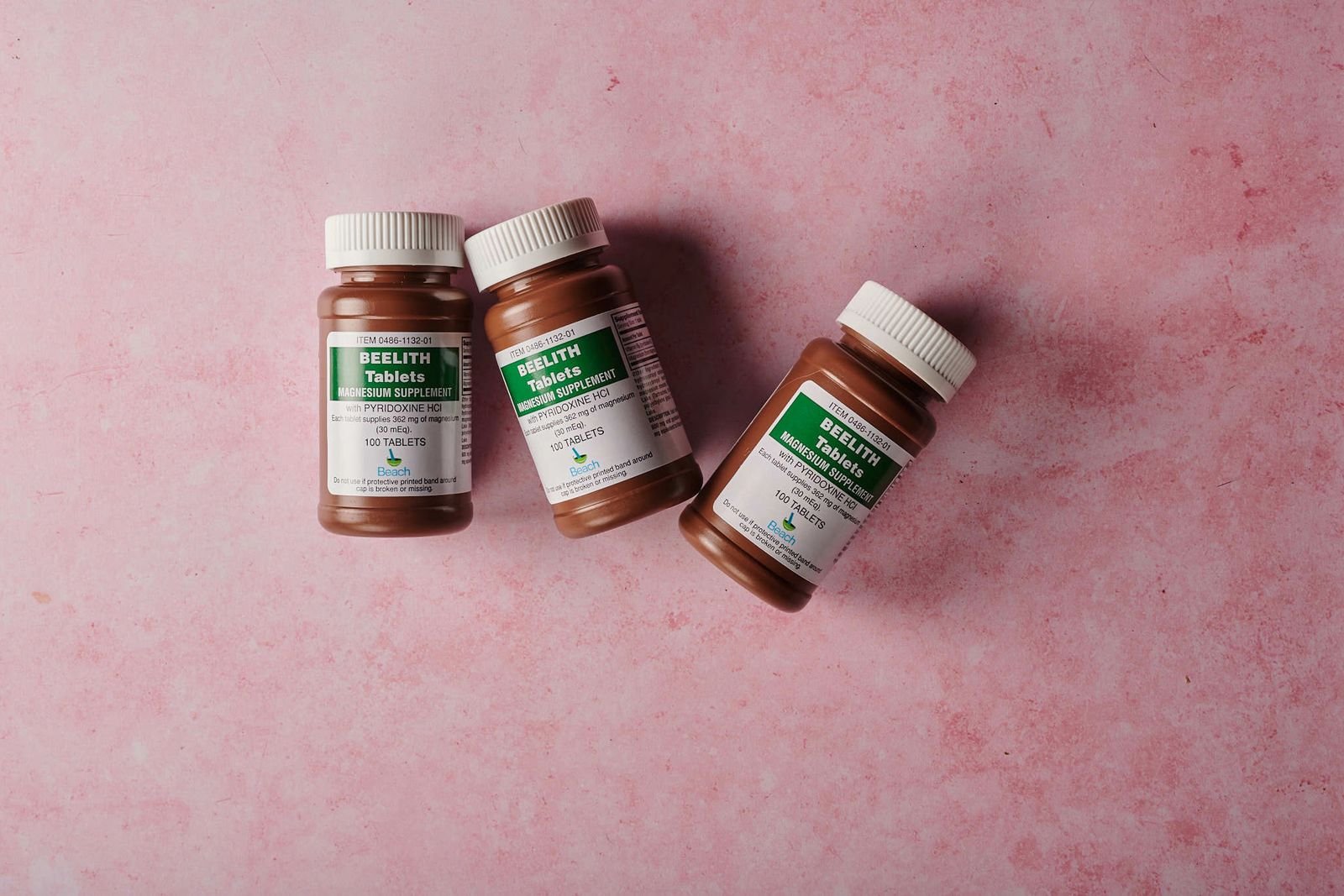
This is where the labels get confusing, so read carefully: the number that matters is elemental magnesium, not the total weight of the compound. A 1,000 mg magnesium bisglycinate capsule does not contain 1,000 mg of magnesium; it contains a few hundred milligrams of elemental magnesium plus the glycine.
For sleep, the evidence-supported range is:
- Start low: 100 to 200 mg elemental magnesium. This lets you check how your body responds before going higher.
- Typical effective dose: 200 to 400 mg elemental magnesium in the evening.
- For reference, the NIH puts total daily magnesium targets at roughly 310 to 420 mg for adults from food plus supplements combined, so you don’t need a megadose on top of a decent diet.
More is not better. Going well above the range doesn’t improve sleep and can cause digestive upset. If you have kidney disease, heart disease, or take medications that affect electrolytes, talk to a doctor before supplementing at all; this is not optional advice for those groups.
A personal note: after a lot of trial and error, my own sweet spot settled at 300 mg elemental magnesium. Yours may be lower. Start at the bottom and adjust.
The Best Time to Take It
Take magnesium bisglycinate 30 to 90 minutes before bed. That window gives it time to be absorbed and lines up the glycine’s temperature-lowering effect with your natural wind-down.
A few practical points:
- Taking it with a small amount of food is fine and can further reduce any chance of stomach upset.
- If you take other medications at night, space them out, because magnesium can interfere with the absorption of certain drugs. Check with a pharmacist if you’re unsure.
- Consistency beats timing precision. Taking it at roughly the same time each night helps you build the habit and makes it easier to judge whether it’s working.
How Long Until It Works?
Manage your expectations here, because this is where people give up too early.
- Some people notice a difference the first night, usually feeling a bit calmer or falling asleep more easily.
- For most, it takes one to two weeks of consistent nightly use to feel a clear effect, especially if you were topping up a deficiency.
- Reported improvements in sleep duration tend to show up within a two-to-four week window.
If you’ve taken it consistently for a month at a sensible dose and feel nothing, that’s useful information too: it may mean magnesium wasn’t your limiting factor, and something else (sleep timing, stress, an underlying sleep disorder) deserves attention.
The Vivid Dreams Thing
One quirk worth flagging: some people get more vivid dreams or stronger dream recall when they start taking magnesium bisglycinate. This seems linked to glycine’s effect on sleep architecture. It’s harmless and usually settles within the first week or two. If it’s disruptive, halving your dose typically sorts it out.
How to Choose a Good Product
Not all magnesium supplements are equal. When buying:
- Check the label lists elemental magnesium content per serving, not just the compound weight.
- Make sure glycinate or bisglycinate is the only magnesium form listed, since many “blends” mix in cheap oxide to cut costs.
- Avoid unnecessary fillers, artificial colours, and allergens.
- Look for third-party testing: USP, NSF, or ConsumerLab certification signals the product actually contains what it claims.
- Capsules and powder both work; powder lets you dial the dose more precisely.
Where Magnesium Fits in the Bigger Picture
Magnesium is one piece of a larger sleep puzzle. If you’ve fixed the basics and still wake up unrefreshed, rule out sleep apnea, which silently wrecks sleep quality for a huge number of men and no supplement can fix. There’s also a hormonal angle worth knowing: deep sleep is when your body produces most of its testosterone, so protecting your sleep pays dividends well beyond feeling rested. And magnesium rarely works alone; it’s one of several supplements men commonly find useful, alongside the likes of vitamin D and zinc, though the right stack depends on what your body needs.
FAQ: Magnesium Bisglycinate for Sleep
Is magnesium bisglycinate the same as magnesium glycinate?
Yes. The two names refer to the same compound: magnesium bound to glycine. “Bisglycinate” simply specifies two glycine molecules per magnesium.
Can I take magnesium bisglycinate every night long-term?
For most healthy people, yes. It doesn’t build tolerance and is considered safe for ongoing use within sensible doses. If you have kidney problems, check with your doctor first.
Will it help if I’m not magnesium deficient?
The benefit is strongest in people with low magnesium. If your levels are already healthy, the effect on sleep may be mild or negligible, though the glycine component may still offer modest support.
How is it different from melatonin?
Melatonin signals your body that it’s time to sleep (useful for jet lag or shifted schedules). Magnesium supports the nervous-system relaxation that makes sleep easier. They work through different mechanisms and some people use both.
What’s the difference between bisglycinate and L-threonate for sleep?
L-threonate crosses into the brain more readily and is studied more for cognition; it costs more and delivers less elemental magnesium per dose. For sleep specifically, bisglycinate is the evidence-supported, better-value choice for most people.
Sleep quality also connects to your broader hormonal health. Chronically elevated cortisol can disrupt sleep architecture and make it harder to fall asleep, so addressing stress is part of the same picture. And tracking your heart rate variability is one of the more reliable ways to measure, night by night, whether your recovery is improving.
The Bottom Line on Magnesium Bisglycinate for Sleep
Magnesium bisglycinate is a well-absorbed, gentle form of magnesium that can improve sleep, most reliably if your intake is low. Start at 100 to 200 mg of elemental magnesium, take it 30 to 90 minutes before bed, give it two to four weeks, and pair it with the basics: a consistent bedtime, less light at night, and sensible caffeine timing. It’s a useful tool. It’s just not a substitute for the habits that run your sleep.
This article is for informational purposes only and does not constitute medical advice. Talk to a qualified healthcare professional before starting any new supplement, particularly if you have a medical condition or take medication.
Sources
1. Magnesium Bisglycinate Supplementation in Healthy Adults Reporting Poor Sleep: A Randomized, Placebo-Controlled Trial, Sleep Science (2025), PMC. 2. National Institutes of Health, Office of Dietary Supplements, Magnesium Fact Sheet for Health Professionals. 3. Research on glycine and core body temperature in sleep onset. 4. Clinical reviews on magnesium forms and bioavailability.