

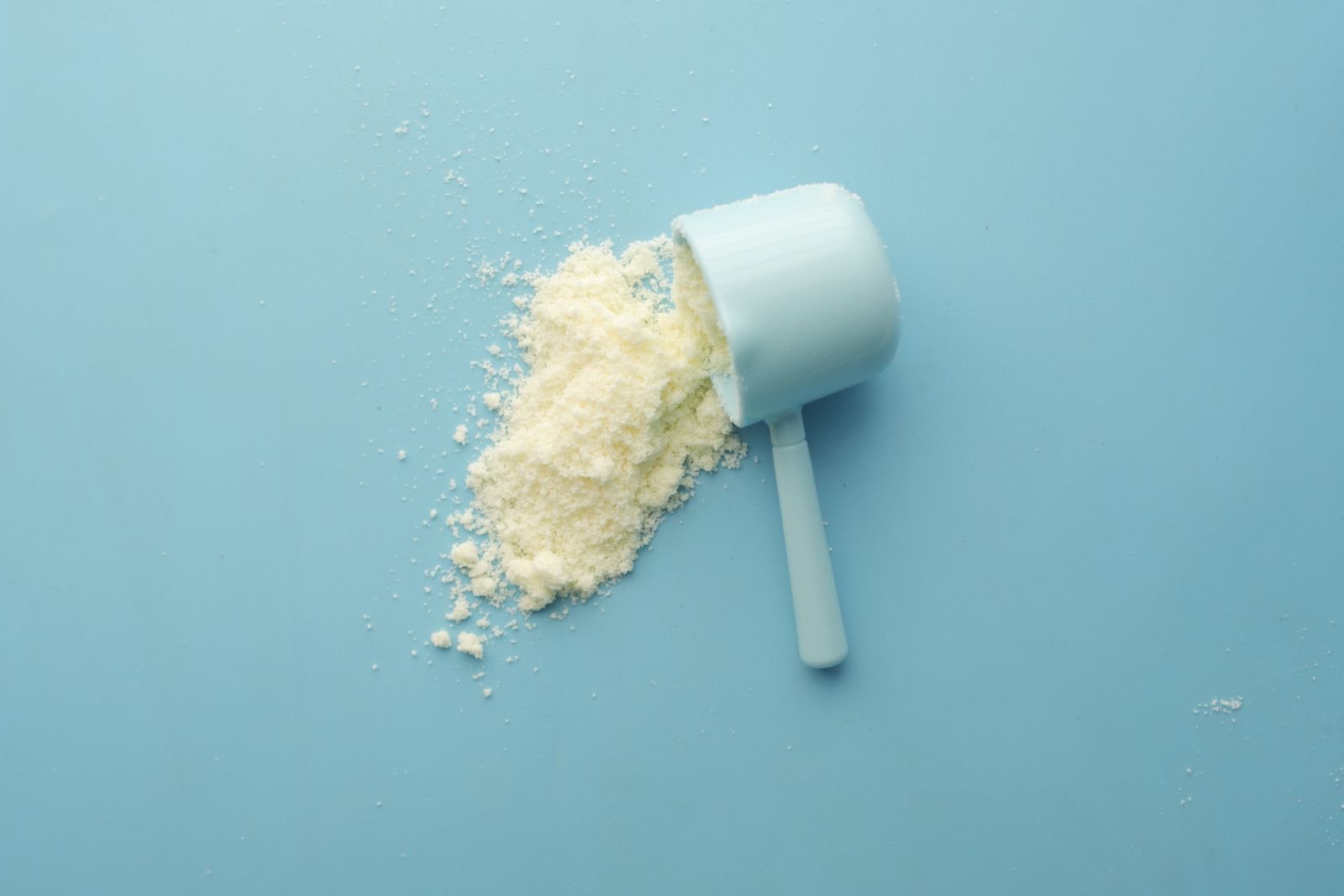
Protein powder is one of the most useful supplements for hitting your protein targets, but the market is overwhelming, dozens of types, brands, and marketing claims, many designed to confuse you into paying more. The good news is that choosing a good protein powder comes down to a few simple factors, and most of the fancy marketing is noise. This guide gives you a clear, practical framework for buying protein powder, and what to ignore.
First: Do You Even Need It?
A sensible starting point. Protein powder is a convenient supplement, not a necessity: you can hit your protein targets with whole foods (meat, fish, eggs, dairy, legumes, see high-protein foods for men). Powder is simply a convenient, cost-effective way to add protein, especially if you struggle to eat enough or want something quick around workouts (see how much protein men need). So buy it as a useful tool, not a magic muscle-builder. With that framing, here’s how to choose one.
The Two Big Choices: Whey vs Plant
The first decision is the protein source, and the main split is whey (dairy-based) versus plant-based:
- Whey protein is high-quality, well-absorbed, leucine-rich (great for muscle building), well-researched, and often cost-effective, an excellent default if you tolerate dairy (see whey vs plant protein).
- Plant protein (ideally a blend like pea + rice, or soy) is the choice if you’re vegan, dairy-intolerant, or prefer plant-based, and quality plant protein can build muscle comparably (see whey vs plant protein).
Both work well, so choose based on your dietary needs, digestion, and preference. If you tolerate dairy and have no reason to avoid it, whey is a great, economical default. If not, a quality plant blend is a fine choice (see does soy lower testosterone, since soy is a fine option). This choice matters more than most of the other marketing.
What Matters When Choosing
Once you’ve picked whey or plant, evaluate products on these factors:
1. Protein per serving (and per dollar). Check how much actual protein you get per serving (a good whey is often around 20 to 25+ grams per scoop) and the cost per serving. This “protein per dollar” is a key value metric, some premium products charge a lot for the same protein.
2. A clean, simple ingredient list. Look for a simple ingredient list, the protein source, minimal additives, and not a long list of fillers or unnecessary ingredients (see how to read a supplement label). Some cheap powders are “spiked” with cheap amino acids to inflate the protein number, so a reputable brand matters.
3. Low added sugar. Check the added sugar, some flavored protein powders contain a lot of added sugar (see sugar and men’s health). A good protein powder shouldn’t be loaded with sugar; you want mostly protein.
4. Third-party testing (a plus). Third-party testing verifies the contents and purity, and is especially valuable for athletes needing banned-substance testing. It’s a good quality signal (see when supplements are a waste of money).
5. Taste and mixability. Practical but real, if it tastes bad or mixes poorly, you won’t use it. This is worth some consideration, though don’t overpay purely for flavor.
6. Whey concentrate vs isolate (minor). Whey isolate is more processed, higher in protein per gram, and lower in lactose/carbs (good if you’re lactose-sensitive or want maximum protein), while concentrate is cheaper and fine for most people. For most men, concentrate is perfectly good; isolate is worth it mainly if you’re lactose-sensitive or want the leanest option.
What to Ignore (Marketing Traps)
To avoid overpaying:
- Exotic protein blends with dozens of added “performance” ingredients: you’re often paying for marketing, not better results. Added BCAAs, “recovery blends,” and similar are usually unnecessary padding (see when supplements are a waste of money).
- Extravagant claims: protein powder is just protein; it won’t transform you beyond helping you hit your protein target.
- “Mass gainer” powders loaded with sugar and cheap carbs: these are mostly expensive sugar; you’re better off with plain protein and real food (see how to build muscle after 40).
- Massively overpriced “premium” brands when a reputable mid-priced option delivers the same protein.
- Proprietary blends that hide the actual protein amounts (see how to read a supplement label).
The core value is simple: quality protein, adequate per serving, at a reasonable cost per serving, without a lot of sugar or filler.

A Simple Buying Framework
To choose a protein powder:
- Pick your source: whey if you tolerate dairy (great default), plant blend if not.
- Check protein per serving and cost per serving: aim for good protein per dollar.
- Check the ingredient list and added sugar: simple, clean, low sugar.
- Prefer a reputable brand, ideally third-party tested.
- Consider taste/mixability, so you’ll use it.
- Ignore the marketing extras: you’re buying protein, not a magic blend.
Do this, and you’ll get a good protein powder without overpaying. And remember, it’s a convenient tool to hit your protein target (around 1g per pound of target bodyweight for muscle, see how much protein men need), not a necessity or a miracle (see whey vs plant protein).
The Contamination Question
Protein powder is a supplement, so nobody checks what is in it before it goes on sale. In 2024 Consumer Reports tested a range of protein powders and ready-made shakes for lead, and the results are useful to know before you choose one.
What they found
About 70 percent of the products tested had more lead in a single serving than Consumer Reports’ own level of concern of 0.5 micrograms a day. That threshold is deliberately cautious and stricter than most regulatory limits, so exceeding it does not mean a product is dangerous. It does mean daily use adds up.
The source of the protein made a large difference. Plant-based products averaged about nine times as much lead as dairy-based ones like whey, and about twice as much as beef-based ones. Dairy-based products had the lowest levels overall, although half of those tested were still high enough that the testers advised against daily use.
Why plant powders run higher
Plants take up heavy metals from the soil they grow in, and protein powders are highly concentrated. So whatever was in the pea or rice plant ends up concentrated in your scoop too. That is not a reason to avoid plant protein if it suits you. It is a reason to choose carefully.
How to lower your exposure
- Prefer brands that publish independent heavy-metal test results for each batch, or carry a third-party certification that includes contaminant testing.
- If you use a plant powder, you are the person who most needs that testing information.
- Do not rely on powder for all your protein. One scoop a day on top of real food carries far less exposure than three.
Food first remains the simplest answer. Powder is a convenience, not a requirement, as the start of this page explains.
Frequently Asked Questions
How do I choose a good protein powder?
Pick your source (whey if you tolerate dairy, plant blend if not), then check protein per serving and cost per serving (good value), a clean ingredient list with low added sugar, and prefer a reputable, ideally third-party-tested brand. Ignore exotic blends and marketing extras: you’re buying protein.
Is whey or plant protein better?
Both work well. Whey is high-quality, leucine-rich, well-researched, and cost-effective, a great default if you tolerate dairy. Plant protein (ideally a blend or soy) is ideal if you’re vegan or dairy-intolerant and can build muscle comparably. Choose based on your dietary needs.
What should I look for on a protein powder label?
Protein per serving (around 20 to 25+ grams for whey), a clean simple ingredient list, low added sugar, and ideally third-party testing. Avoid long lists of fillers, exotic added blends, high added sugar, and proprietary blends that hide the protein amounts.
Is whey isolate worth it over concentrate?
For most men, concentrate is perfectly good and cheaper. Isolate is more processed, higher in protein per gram, and lower in lactose, worth it mainly if you’re lactose-sensitive or want the leanest, highest-protein option. Otherwise, concentrate is fine.
Do I need protein powder?
No, it’s a convenient supplement, not a necessity. You can hit your protein targets with whole foods (meat, fish, eggs, dairy, legumes). Powder is simply convenient for hitting targets or around workouts. Treat it as a useful tool alongside a whole-food diet.
The Bottom Line on Protein Powder
Choosing a protein powder is simpler than the overwhelming market suggests. First, decide whether you even need it: it’s a convenient tool for hitting your protein target, not a necessity. Then pick your source: whey if you tolerate dairy (a high-quality, well-researched, cost-effective default) or a quality plant blend if you’re vegan or dairy-intolerant. From there, the factors that matter are protein per serving and cost per serving (good protein per dollar), a clean simple ingredient list with low added sugar, a reputable and ideally third-party-tested brand, and decent taste so you’ll use it.
Ignore the marketing traps: exotic blends with dozens of added ingredients, extravagant claims, sugary “mass gainers,” and massively overpriced “premium” brands. The core value is just quality protein, adequate per serving, at a reasonable price, without sugar or filler. Get that, and you have a good protein powder, a useful tool for meeting your protein needs, without paying for hype.
This article is for informational purposes only and does not constitute medical advice. Consult a qualified healthcare professional or registered dietitian for personalised nutrition guidance.
Sources
- Hoffman JR et al. Protein, Which is Best? J Sports Sci Med, 2004
- Morton RW et al. A systematic review, meta-analysis and meta-regression of the effect of protein supplementation on resistance training-induced gains in muscle mass and strength in healthy adults. Br J Sports Med, 2018
- NIH Office of Dietary Supplements, Dietary Supplements for Exercise and Athletic Performance
- Consumer Reports: Protein Powders and Shakes Contain High Levels of Lead.