

Heart health for men is less about one big decision and more about a handful of numbers you can measure, understand and move. Heart disease is still the leading cause of death for men in the United States, yet most of what drives it builds quietly for decades before a single symptom shows up. That is the bad news and the useful news at the same time: there is a long window in which you can change the outcome.
This guide pulls together the current guidelines from the American Heart Association, the American College of Cardiology and the CDC into one plan. It covers the warning signs that need a 911 call, the numbers to know, the tests that sharpen your risk estimate, the eight habits that do most of the work, and where medication fits. Each section links to a deeper guide if you want the detail.
For a step-by-step plan to bring a high reading down, read how to lower blood pressure naturally.
Call 911 now if you have: chest pain, pressure, squeezing or fullness lasting more than a few minutes (or that goes away and comes back); pain in the jaw, neck, back, arms or shoulders; shortness of breath; feeling weak, light-headed or faint, or breaking into a cold sweat. Nausea and unusual tiredness can also be signs. Do not drive yourself.
A blood pressure reading above 180/120 with chest pain, shortness of breath, back pain, numbness, weakness, vision changes or trouble speaking is also an emergency.
In this guide
Why heart health for men matters so much
The CDC’s figures are blunt. Heart disease is the leading cause of death for men, and for people of most racial and ethnic groups in the US. In 2023, 919,032 people died from cardiovascular disease, about one in every three deaths. Someone in the US has a heart attack roughly every 40 seconds, which adds up to around 805,000 heart attacks a year.
Two details in that data matter most for men in their 30s, 40s and 50s. First, about one in six cardiovascular deaths in 2023 was in someone younger than 65, so this is not only a problem of old age. Second, about one in five heart attacks is silent: the damage happens, but the person does not notice it. You cannot rely on symptoms to tell you how your heart is doing. You have to look at the numbers.
The CDC names three key risk factors: high blood pressure, high cholesterol and smoking. Diabetes, excess weight, an unhealthy diet, physical inactivity and heavy drinking add to the load. Every one of those can be measured, and most can be changed.
Those three are common. CDC data suggests about half of Americans have at least one of high blood pressure, high cholesterol or smoking. So if you have one of them, you are in large company, and the fix is usually a matter of steady effort rather than drastic change. If you have none, the job is to keep it that way as you age, because blood pressure, cholesterol and blood sugar all tend to creep upward over the decades without anyone noticing.
How heart disease develops
The most common form, coronary artery disease, starts with plaque building up inside the arteries that feed the heart muscle. Cholesterol-carrying particles get lodged in the artery wall, and over years the plaque thickens and narrows the space blood can flow through. A heart attack happens when part of the heart muscle does not get enough blood, and coronary artery disease is its main cause.
Three things speed the process up. High blood pressure strains and damages artery walls. High levels of LDL cholesterol and other particles that contain apolipoprotein B feed the plaque. And smoking, high blood sugar and chronic inflammation make the artery lining more vulnerable. That is why the advice keeps coming back to the same short list: lower pressure, lower LDL, no tobacco, steady blood sugar.
The other point the 2026 cholesterol guideline makes is timing. As the chair of the guideline committee put it, lower LDL for longer, like lower blood pressure for longer, gives much greater protection against future heart attacks and strokes. What you do at 35 matters more than what you do at 65, because plaque is the sum of many years of exposure.

Know your numbers
Five measurements give you most of the picture. A basic check-up covers all of them, and none needs specialist equipment.
Blood pressure
The current AHA and ACC categories for adults are:
| Category | Top number (systolic) | Bottom number (diastolic) | |
|---|---|---|---|
| Normal | Under 120 | and | Under 80 |
| Elevated | 120 to 129 | and | Under 80 |
| Stage 1 high blood pressure | 130 to 139 | or | 80 to 89 |
| Stage 2 high blood pressure | 140 or higher | or | 90 or higher |
| Severe (call your doctor; 911 if you have symptoms) | Higher than 180 | and/or | Higher than 120 |
High blood pressure is the leading risk factor for stroke and for several heart conditions, including coronary artery disease, heart failure and atrial fibrillation. The AHA also notes stronger evidence now linking it to cognitive decline and dementia. Most people with high blood pressure feel completely normal, so a reading is the only way to know. Our guide to what your blood pressure numbers mean covers how to take an accurate reading at home.
Cholesterol
A standard lipid panel reports total cholesterol, LDL, HDL and triglycerides. The AHA suggests non-HDL cholesterol as a useful number to track, because it can be measured without fasting and captures all the particles that build plaque, not just LDL. The 2026 ACC/AHA guideline brought back specific treatment goals, which depend on your overall risk:
- Borderline or intermediate risk: LDL under 100 mg/dL
- High risk: LDL under 70 mg/dL
- Very high risk with established heart disease: LDL under 55 mg/dL
Those goals are for people whose risk calls for treatment, not cut-offs that apply to everyone. Your risk score (next section) decides which applies to you. For the lifestyle side, see how to lower cholesterol without medication.
Triglycerides
Triglycerides are the other fat on your lipid panel. They tend to run high with excess weight, heavy drinking, a diet heavy in refined carbs and poorly controlled blood sugar. The 2026 guideline keeps statins as the foundation of drug treatment for persistently high triglycerides, on top of lifestyle changes, because the main goal is still to cut heart and stroke risk. Very high levels, at or above 1,000 mg/dL, also raise the risk of pancreatitis and may need specific triglyceride-lowering treatment. If yours are high, the usual first steps are cutting back on alcohol and sugary foods, losing weight if needed and getting more active.
Blood sugar
High blood sugar damages the heart, kidneys, eyes and nerves over time. The A1C test shows your average blood sugar over about three months and does not require fasting. The CDC ranges are: under 5.7% is normal, 5.7% to 6.4% is prediabetes, and 6.5% or above is diabetes. The CDC recommends an A1C test for everyone over 45, and earlier if you carry extra weight and have other risk factors. Prediabetes is often reversible, which makes it one of the most useful findings a test can give you. Our guides to improving insulin sensitivity and metabolic syndrome in men go further.
Weight and waist
The AHA treats a body mass index under 25 as optimal (and under 18.5 as underweight). BMI is a rough tool for muscular men, but it is a useful starting point. If you carry extra weight, the AHA notes that losing about 5% of your body weight can help lower blood pressure: for a 180 lb man, that is 9 lb.
Resting heart rate and fitness
These are not part of the formal risk calculators, but they are cheap signals of how fit your heart and lungs are. A lower resting heart rate and a higher VO2 max for your age both track with better long-term outcomes, and both respond to training. If yours are drifting the wrong way, see how to lower your resting heart rate.
Your risk score: the PREVENT calculator
No single number tells you your risk. Doctors combine them into an estimate of your chance of a heart attack or stroke over the next 10 years. The 2026 ACC/AHA guideline recommends the newer PREVENT equations, which replace the older Pooled Cohort Equations. PREVENT is used for adults aged 30 to 79 and estimates both 10-year and 30-year risk, which matters for younger men whose 10-year risk looks low even when their numbers are not.
For deciding on cholesterol treatment in people without heart disease, the guideline uses these 10-year PREVENT bands:
| 10-year PREVENT risk | Category | What the guideline says about LDL-lowering treatment |
|---|---|---|
| 3% to under 5% | Borderline | Reasonable to consider, after discussion with your clinician |
| 5% to under 10% | Intermediate | Recommended, after discussion with your clinician |
| 10% or higher | High | Treat to an LDL goal under 70 mg/dL |
The guideline also recommends cholesterol-lowering treatment for people aged 40 or older with diabetes, chronic kidney disease (stage 3 or higher) or HIV, and earlier consideration of medication for young adults with LDL of 160 mg/dL or higher or a strong family history of early heart disease. Ask your doctor to run the calculator with you; it takes a few minutes and turns a pile of lab results into a decision.
Why the 30-year number matters for younger men
Ten-year risk is dominated by age. A 35-year-old with high LDL and borderline blood pressure can have a low 10-year score simply because he is young, even though his arteries are collecting plaque at a faster pace than they should. The 30-year estimate in PREVENT is designed to catch that. If your 10-year number looks reassuring but your 30-year number is high, treat it as an early warning: it is the best moment to act, because every year of lower LDL and lower blood pressure adds to your protection.
Family history and other risk enhancers
A calculator cannot see everything. The guideline points to several factors that push risk higher than the score alone suggests, including a strong family history of early heart disease, very high LDL, chronic kidney disease, diabetes and HIV. If a father or brother had a heart attack or stent at a young age, tell your doctor even if your own numbers look fine. It can change when treatment starts and how low the targets should be.
If you want a quick picture of where you stand before your next appointment, the American Heart Association offers a free online tool called My Life Check, which scores you on the same eight factors covered below.
Tests that sharpen the picture
When your risk sits in the middle, three extra tests can move the estimate up or down.
Lp(a): test it once
Lipoprotein(a) is a cholesterol-carrying particle whose level is largely set by your genes. The 2026 guideline recommends measuring it at least once in adulthood. Because lifestyle changes barely affect it, repeat testing is generally not needed. A high level is a reason to be stricter with everything else you can control, especially LDL and blood pressure.
For what your number means and what to do if it is high, read our full guide to the Lp(a) test.
Coronary artery calcium (CAC) scan
A CAC scan is a quick, non-contrast CT scan that looks for calcified plaque in the heart’s arteries. The guideline suggests selective use in men over 40 whose 10-year risk is borderline or intermediate. Any calcium at all supports an LDL goal under 100 mg/dL, with lower targets as the score rises. A score of zero is reassuring, though it is not a lifetime guarantee.
For what each result means and how the 2026 guideline uses it, read our full guide to the coronary calcium score.
ApoB
Every particle that can build plaque carries one apolipoprotein B molecule, so an ApoB test counts the particles directly. The guideline describes it as a way to check for leftover risk in people with diabetes, high triglycerides, cardiovascular-kidney-metabolic syndrome or known heart disease who have already reached their LDL and non-HDL goals. Our ApoB guide explains when it adds information beyond LDL. For the full list of check-up bloodwork, see blood tests every man should get.

The eight habits that protect your heart
The American Heart Association’s Life’s Essential 8 is the best single checklist for cardiovascular health. It splits into four behaviours and four health factors. You do not need to fix all eight at once; most men get the biggest return from the one or two where they are furthest off.
1. Eat better
The AHA’s pattern is simple: mostly whole foods, plenty of fruit and vegetables, lean protein, nuts and seeds, and cooking with non-tropical oils such as olive and canola. For blood pressure, it recommends 2,300 mg of sodium a day or less (about one teaspoon of salt), moving toward an ideal of under 1,500 mg. The DASH pattern, rich in vegetables, fruit, whole grains, legumes, nuts and low-fat dairy, is the best-studied version.
Two common questions: processed meat is the clearer concern compared with moderate unprocessed red meat (see is red meat bad for you), and our guide to fish oil covers what the trials found (see fish oil for men).
2. Be more active
The target for adults is 150 minutes of moderate activity or 75 minutes of vigorous activity a week. For most men, the easiest way in is steady, conversational-pace cardio such as zone 2 training, plus regular walking. If you track steps, our guide to how many steps a day you need shows where the benefits level off. Adding some strength training rounds it out.
3. Quit tobacco
Cigarette smoking remains the leading cause of preventable death in the US, according to the AHA. The long-term effects of vaping are still being studied, so swapping one for the other is not the same as quitting. If you smoke, stopping is one of the biggest single changes you can make for your heart, and a doctor or a quit line can help you plan it.
For the methods that work best, ranked by evidence, read our guide on how to quit smoking. If you are weighing up e-cigarettes, our evidence review of vaping vs smoking explains what switching can and cannot do. To see how quickly your heart recovers after you stop, read our guide to smoking and heart disease.
4. Get healthy sleep
Most adults need 7 to 9 hours a night. The AHA notes that enough sleep supports healing and brain function and lowers the risk of chronic disease. Loud snoring with pauses in breathing can mean sleep apnea, which the AHA lists among conditions that can lead to high blood pressure. If that sounds familiar, read our guide to sleep apnea symptoms in men and ask about a sleep study.
5. Manage weight
You do not need a dramatic transformation: losing about 5% of body weight can help lower blood pressure. Alcohol is an underrated factor here, both for calories and for belly fat (see alcohol and belly fat).
6. Control cholesterol
Diet, activity and weight all move LDL, though genetics sets a large part of it. The guideline’s message is to try lifestyle first and, if your numbers are still above goal after a fair trial, to consider medication earlier than doctors would have a decade ago. Our guides to lowering cholesterol naturally and ApoB cover the detail.
7. Manage blood sugar
Know your A1C, and act on prediabetes. Regular activity, a diet built on whole foods, and weight loss if you carry extra weight are the core tools. Diabetes on its own is enough for the 2026 guideline to recommend cholesterol-lowering treatment from age 40, which shows how much it raises heart risk.
8. Manage blood pressure
Under 120/80 is optimal. The AHA’s practical list for lowering it: a DASH-style diet, less sodium, more activity, losing weight if needed, drinking less alcohol or none, and stress-reducing practices such as meditation, breathing exercises or yoga. Check your pressure at home, sitting with your back supported, feet flat, arm supported at heart level, staying quiet and still. Our full guide on blood pressure numbers explains how to read the results.
A few habits make home readings more reliable: sit quietly for a few minutes first, keep your arm resting at heart level, do not talk during the reading, and take readings at the same times of day. One high number is not a diagnosis. A pattern over a week or two is what your doctor will want to see, so keep a simple log or use a monitor that stores results.
A note on alcohol
Alcohol touches several of the eight at once: it adds calories and can raise blood pressure. The AHA’s advice for blood pressure is to drink less or not at all. If you drink most days, cutting back is one of the quicker ways to see your blood pressure and weight move in the right direction. If you drink heavily and want to stop, talk to a doctor first, because stopping suddenly after heavy daily drinking can cause withdrawal that needs medical support.
Stress deserves a mention of its own. It is not one of the eight, but it shapes most of them: how you sleep, what you eat and drink, and whether you exercise. See how to manage stress for approaches with evidence behind them.
Where medication fits
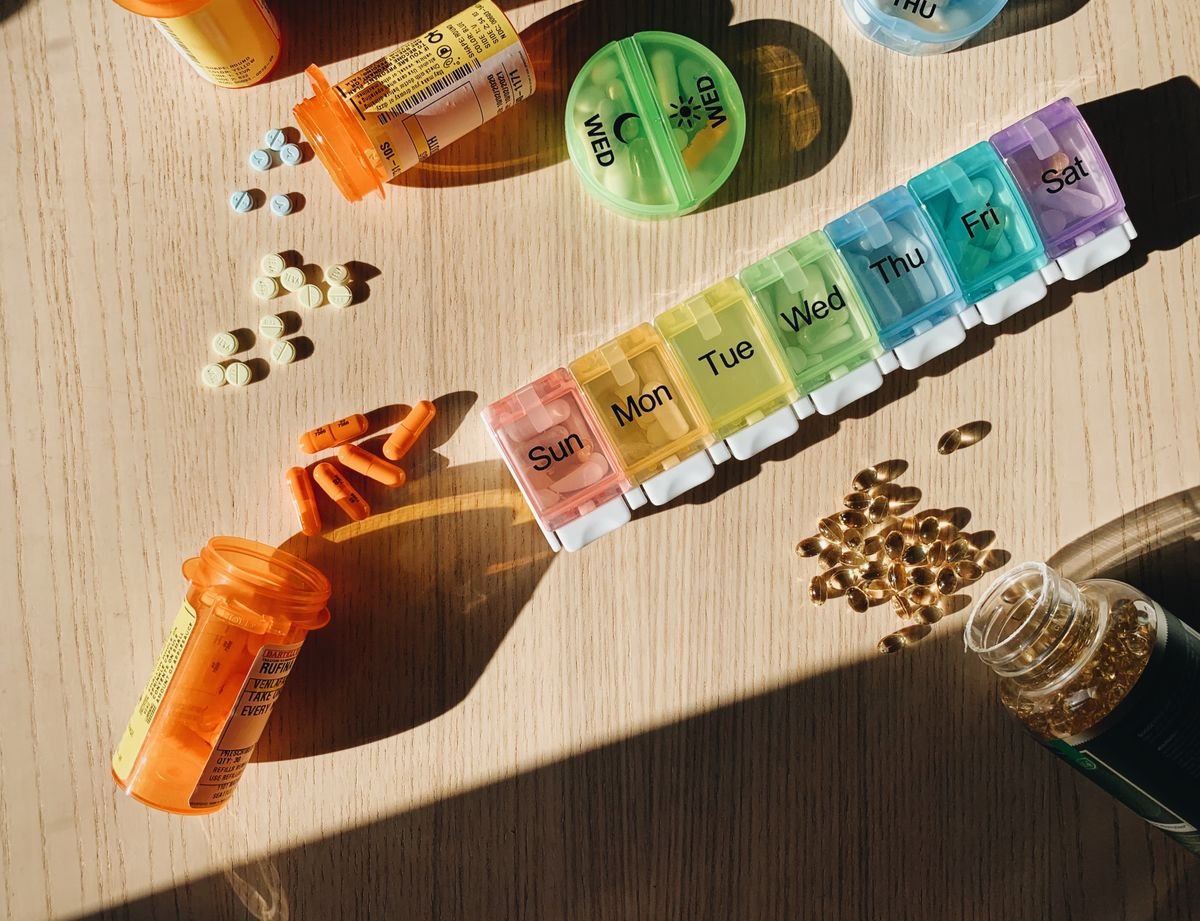
Medication is not a failure of lifestyle. For many men, it is the step that gets numbers to goal when habits alone fall short. This section is informational; decisions about starting or changing any medicine belong with your doctor.
Cholesterol-lowering medicines
Statins remain the foundation. If LDL is still above goal on lifestyle changes and a statin, the 2026 guideline lists add-on options depending on risk: ezetimibe, bempedoic acid, or an injectable PCSK9 antibody. The guideline also recommends continuing cholesterol-lowering treatment in people being treated for cancer, unless there is a reason not to.
For the full picture on benefits, side effects and myths, read our guide to statins.
Blood pressure medicines
Lifestyle changes help everyone, but the AHA notes that many people also need medication to reach a healthy blood pressure. Several classes of blood pressure medicine exist, and your doctor will match the choice to your other conditions.
Aspirin
Daily low-dose aspirin is no longer a default for preventing a first heart attack. The US Preventive Services Task Force recommends against starting aspirin for this purpose in adults aged 60 or older. For adults aged 40 to 59 with a 10-year cardiovascular risk of 10% or more, it calls the decision an individual one, because the small benefit has to be weighed against bleeding risk. If you already take aspirin after a heart attack or stent, that is a different situation: do not stop without speaking to your doctor.
After a heart attack: cardiac rehab
If you have already had a heart attack, a stent or heart surgery, the priorities shift from prevention to recovery and preventing a second event. The CDC describes cardiac rehabilitation as an important program for anyone recovering from a heart attack, heart failure or a heart procedure. It is supervised and combines physical activity, education on eating well, taking medicines as prescribed and quitting smoking, and counselling for stress and mental health. If you were not referred, ask about it. It is one of the most useful things you can do after a cardiac event.
A heart health plan by decade
Here is how the guidance translates into a simple plan. Your own doctor may adjust the timing based on your history.
In your 30s
- Get your blood pressure, lipid panel and A1C checked, and ask for a PREVENT risk estimate (it applies from age 30, including 30-year risk).
- Test Lp(a) once.
- If your LDL is 160 mg/dL or higher, or a parent or sibling had heart disease young, ask about treatment now rather than later.
- Build the habits: 150 minutes of activity a week, no tobacco, 7 to 9 hours of sleep.
In your 40s
- Repeat your numbers and risk score. Start A1C screening by 45 at the latest.
- If your 10-year risk is borderline or intermediate, ask whether a CAC scan would help the decision.
- If you have diabetes, chronic kidney disease or HIV, cholesterol-lowering treatment is recommended from 40.
- Watch your waist and your alcohol intake; both tend to drift in this decade.
In your 50s and beyond
- Keep blood pressure and LDL at goal; this is where years of control pay off.
- Do not start daily aspirin for prevention at 60 or older unless your doctor has a specific reason.
- Keep training: strength and cardio both protect against the loss of fitness that comes with age. Our men’s health checklist by age lists the other screenings to stay on top of.
Frequently asked questions
What are the first signs of heart problems in men?
Often there are none, which is why checking your numbers matters. When symptoms do appear, the most common are chest pain or pressure, pain spreading to the jaw, neck, back or arms, shortness of breath, and feeling faint or sweaty. Chest discomfort that comes on with exertion and settles with rest should be checked promptly. Sudden or lasting symptoms need a 911 call.
At what age should men start worrying about heart health?
The 2026 guideline starts formal risk assessment at 30, and plaque builds over decades, so the habits you set in your 20s and 30s count. You do not need to worry, but you should know your blood pressure, cholesterol and blood sugar by your early 30s.
What is a good cholesterol level for a man?
It depends on your overall risk. For people whose risk calls for treatment, the 2026 ACC/AHA goals are LDL under 100 mg/dL at borderline or intermediate risk, under 70 mg/dL at high risk, and under 55 mg/dL for very high risk with existing heart disease. Your PREVENT score tells you which band you are in.
Can you reverse heart disease?
You can slow it, stabilise plaque and sharply cut your risk of a heart attack by bringing LDL and blood pressure down and stopping smoking. Existing calcified plaque does not simply disappear, which is why prevention earlier in life does so much.
Is a calcium score worth getting?
For men over 40 whose risk is borderline or intermediate, the guideline supports a CAC scan when the result would change the treatment decision. If your risk is clearly low or clearly high, it usually adds little.
The bottom line
Heart health for men comes down to a short list: know your blood pressure, cholesterol, blood sugar and weight; get a PREVENT risk score from 30; test Lp(a) once; and work through the eight habits, starting with whichever is furthest off. Use medication when lifestyle alone does not get you to goal. Most of all, start early, because the protection comes from keeping your numbers low for longer.
This article is for general information and is not medical advice. Speak to a doctor about your own risk, tests and treatment.
Sources
- CDC: Heart Disease Facts
- CDC: About Heart Attack Symptoms, Risk, and Recovery
- American Heart Association: Life’s Essential 8
- American Heart Association: Top 10 Things to Know About the AHA/ACC High Blood Pressure Guideline
- Blumenthal RS, Morris PB, et al. 2026 ACC/AHA Multisociety Guideline on the Management of Dyslipidemia. JACC, 2026
- American College of Cardiology: ACC, AHA Release New Clinical Guideline for Managing Dyslipidemia
- US Preventive Services Task Force: Aspirin Use to Prevent Cardiovascular Disease
- CDC: A1C Test for Diabetes and Prediabetes