

Men’s health isn’t one-size-fits-all, what matters most shifts as you age. The habits and screenings that serve you in your 30s aren’t identical to what you need in your 50s. This checklist lays out the priorities decade by decade: what to focus on, what to get checked, and where to put your energy at each stage. In short, think of it as a practical roadmap, with links to deeper guides on each topic.
Some checks take minutes and need no appointment, such as a monthly testicular self-exam.
If you smoke, stopping is the single biggest change you can make at any age. Our guide on how to quit smoking ranks what works.
The overarching truth, though, is that the fundamentals, good sleep, regular exercise, a healthy weight, a decent diet, and managing stress, matter at every age. The decade-by-decade focus is about emphasis and screening, layered on top of those constants.
The men’s health checklist below is organised by decade, with links to the evidence for each item.
The Foundations of the Men’s Health Checklist by Age (Every Decade)
Before the age-specific advice, these matter at every age and only become more important over time:
- Sleep: 7 to 9 hours of quality sleep (see why men sleep worse after 30)
- Exercise: both resistance training and cardio (see building muscle after 40 and zone 2 cardio)
- A healthy weight: particularly avoiding excess belly fat (see how to lose belly fat after 40)
- A whole-food diet with adequate protein (see best diet for men over 40)
- Managing stress and nurturing relationships (see how to manage stress and men and loneliness)
- Not smoking, moderate alcohol
With those constants in place, here’s where to focus by decade.
| Decade | Primary focus | What to prioritise |
|---|---|---|
| 30s | Build the foundation | Establish resistance training (sarcopenia begins around 30), get baseline blood work, protect sleep quality |
| 40s | Get proactive | Prioritise muscle and strength, increase protein, monitor cholesterol, blood sugar/HbA1c and blood pressure |
| 50s | Screen and protect | PSA discussion with your doctor, regular cardiovascular and metabolic monitoring, colorectal screening |
| 60s+ | Maintain and thrive | Maintain muscle to prevent frailty and falls, stay physically active, continue screenings, protect cognitive health |
In Your 30s: Build the Foundation
Your 30s are about establishing habits and baselines that pay off for decades. Priorities:
- Build the exercise habit for life: establish resistance training now, as muscle loss (sarcopenia) begins around 30 (see sarcopenia in men). Above all, the strength you build is an investment.
- Establish health baselines: get baseline blood work (cholesterol, blood sugar, etc.) so future results have something to compare against (see blood tests for men).
- Protect your sleep: sleep quality often starts declining in the 30s; don’t let bad habits set in (see how to increase deep sleep).
- Manage stress early: career and family pressures ramp up; build stress-management habits before burnout does (see chronic stress symptoms).
- Watch the metabolism myth: weight gain in your 30s isn’t a slowing metabolism (it’s stable), so don’t let habits drift (see does metabolism slow with age).
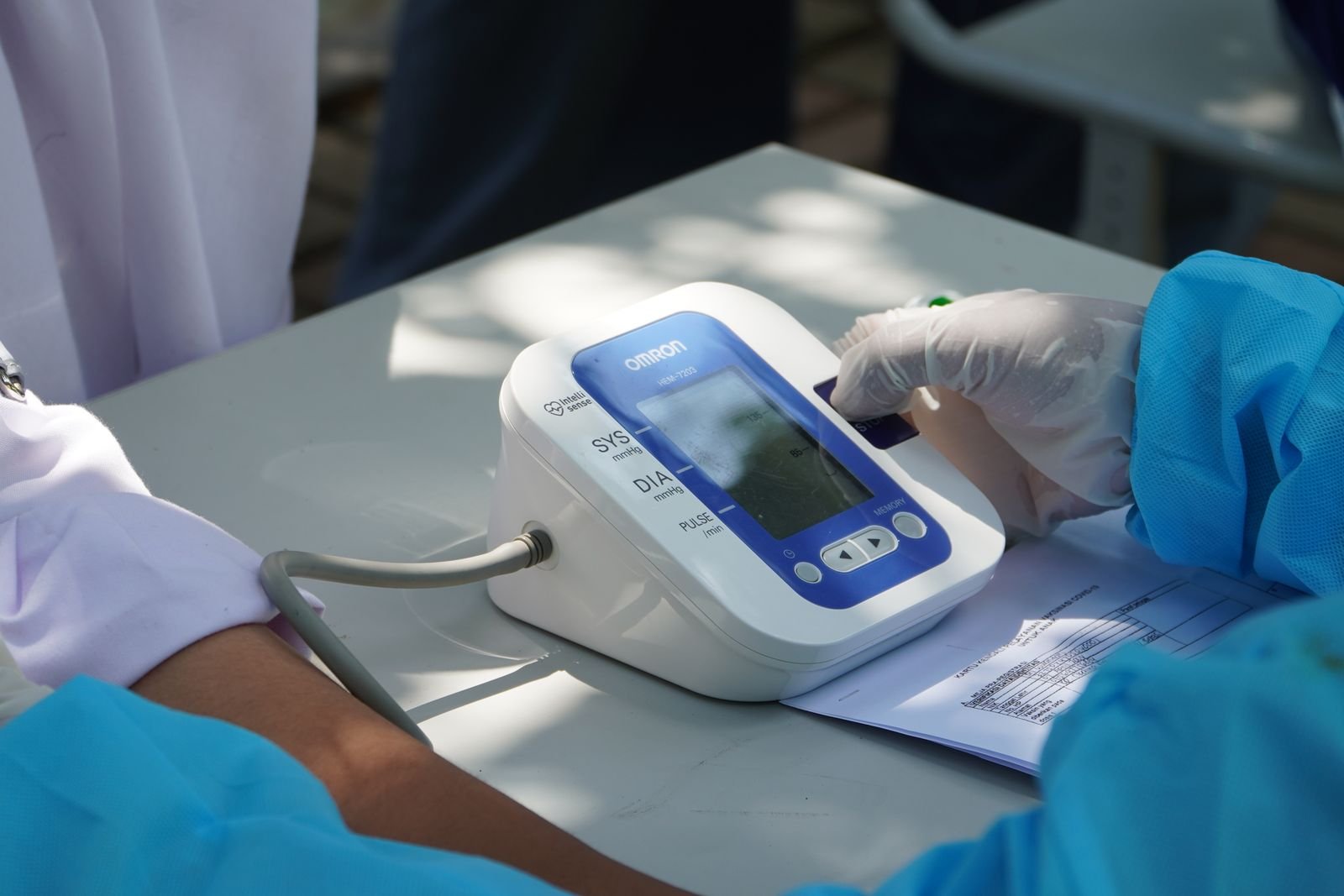
- Blood pressure check: start paying attention (see blood pressure by age).
In Your 40s: Get Proactive
Your 40s are when proactive attention pays dividends, as risks begin climbing. Priorities:
- Prioritise muscle and strength: sarcopenia accelerates; resistance training becomes non-negotiable (see building muscle after 40), and recovery matters more (see recovery after 40).
- Increase protein: anabolic resistance means you need more (see how much protein men need).
- Monitor cardiovascular and metabolic markers: cholesterol, blood sugar/HbA1c, blood pressure become more important (see blood tests for men).
- Watch for low testosterone: if you have symptoms (fatigue, low libido, lost muscle), get assessed (see signs of low testosterone), while knowing many causes are reversible.
- Address belly fat: visceral fat and its health risks become a real focus (see visceral fat in men).
- Track key metrics: VO2 max, resting heart rate, waist-to-height ratio (see VO2 max and waist-to-height ratio).
- Begin the prostate conversation: start discussing screening timing with your doctor (see the PSA test).
- Mind your mental health: this is a high-risk decade for stress, anxiety, and depression in men (see depression in men).
In Your 50s: Screen and Protect
Your 50s are about vigilant screening and protecting what you’ve built, as this is when many risks accelerate. Priorities:
- Keep up prostate screening discussions: the PSA conversation is typically relevant now (see the PSA test), and know the difference between benign enlargement and cancer (see prostate cancer vs BPH).
- Regular cardiovascular and metabolic monitoring: heart disease and diabetes risk climb; stay on top of your numbers (see blood pressure by age).
- Cancer screenings: colorectal screening becomes recommended; discuss the full screening schedule with your doctor.
- Fight muscle loss hard: resistance training protects against the frailty that accelerates later (see sarcopenia in men).
- Bone health: men lose bone too; K2, vitamin D, and resistance training support it (see vitamin K2).
- Prioritise cardiovascular fitness: VO2 max is a top longevity predictor; keep it up (see how to improve VO2 max).
- Watch for andropause symptoms: but address reversible causes first (see andropause).

In Your 60s and Beyond: Maintain and Thrive
Your 60s+ are about maintaining function, independence, and quality of life. Priorities:
- Maintain muscle and strength: this is what preserves independence and prevents falls and frailty; keep resistance training (see building muscle after 40).
- Stay physically active: cardiovascular fitness and daily movement remain powerful for longevity (see longevity habits).
- Keep up all screenings: prostate, colorectal, cardiovascular, and others per your doctor’s guidance.
- Protect cognitive health: stay mentally and socially engaged; address brain fog and cognitive concerns (see brain fog causes).
- Prioritise social connection: isolation is a serious health risk, especially in later years (see men and loneliness).
- Nutrition for muscle and bone: adequate protein becomes even more important against accelerating muscle loss.
- Fall prevention: strength, balance, and mobility work protect independence.
The Universal Priorities
Across every decade, a few things never stop mattering:
1. Stay strong: resistance training at every age
2. Stay aerobically fit: protect your VO2 max
3. Sleep well: the foundation under everything
4. Eat whole foods with enough protein
5. Manage stress and stay connected
6. Keep your health markers in range and get age-appropriate screenings
7. Don’t smoke; keep alcohol moderate
The specific screenings and emphasis shift by decade, but these constants are the real foundation of ageing well.
FAQ: Men’s Health Checklist by Age
Some quick answers on men’s health checklist by age:
What health screenings do men need by age?
Baseline blood work from your 30s; increasing cardiovascular and metabolic monitoring in your 40s; prostate (PSA discussion), colorectal, and continued cardiovascular screening from your 50s; and ongoing screenings per your doctor into your 60s+. Your doctor tailors this to your risk.
What should men focus on in their 40s?
Prioritising muscle and strength, increasing protein, monitoring cardiovascular and metabolic markers, watching for low testosterone, addressing belly fat, and minding mental health. The 40s are when proactive attention pays off.
When should men start prostate screening?
The PSA discussion typically becomes relevant around 50 (earlier with higher risk). It’s a shared decision with your doctor weighing the benefits and limitations, not an automatic test.
Do health priorities really change by decade?
The fundamentals (sleep, exercise, healthy weight, good diet, stress management) matter at every age. What changes is the emphasis and which screenings become important, muscle preservation and screening grow more critical with each decade.
What’s the most important thing for men’s health at any age?
Staying strong and aerobically fit, sleeping well, eating whole foods with enough protein, managing stress, staying connected, and keeping health markers in range. These constants underpin healthy ageing across every decade.
The Bottom Line on Men’s Health Checklist by Age
The bottom line on men’s health checklist by age: Men’s health priorities shift by decade: your 30s are for building habits and baselines, your 40s for getting proactive about muscle, metabolic health, and screening, your 50s for vigilant screening and protecting what you’ve built, and your 60s+ for maintaining strength, function, and independence. But the foundations, resistance training, cardiovascular fitness, quality sleep, a whole-food diet with enough protein, stress management, and connection, matter at every age and only grow more important. Use the decade-specific checklist for emphasis and screening, keep the fundamentals constant throughout, and you’ll set yourself up not just for a longer life, but for more capable, healthy years.
This article is for informational purposes only and does not constitute medical advice. Screening recommendations vary by individual risk, consult a qualified healthcare professional for guidance tailored to you. You can also get a rough read on your own fitness at home with a few simple tests (see how to test your fitness at home).
Sources
- Mayo Clinic Health System, Checkups, screenings in men’s health, recommended health screenings for men by age.
- US Preventive Services Task Force, A and B Recommendations, screening guidelines.
- PMC, Exercise for sarcopenia in older people: a systematic review and network meta-analysis, on sarcopenia, cardiovascular fitness, and healthy ageing.
- American Cancer Society, Screening Guidelines by Age, cancer screening recommendations by age.