

“Manage your stress” is advice men hear constantly and act on rarely, partly because it’s vague, and partly because the usual suggestions feel soft or impractical. But stress management isn’t about candles and affirmations. It’s about specific, evidence-based techniques that measurably lower the chronic stress quietly harming your health, sleep, weight, and hormones. Done right, it’s one of the highest-leverage things a busy man can do.
This guide covers what works, why it matters, and how to build it into a real life.
If smoking is one of the ways you cope with stress, our guide on how to quit smoking ranks the methods that work best.
Here’s where the evidence stands on how to manage stress, which steps pay off, and which ones you can ignore.
Why It’s Worth Doing
Before the how, a quick reminder of the stakes. Chronic stress, the kind that never fully switches off, keeps cortisol elevated, and that has real consequences: it drives belly fat (see cortisol and belly fat), disrupts sleep, suppresses testosterone, raises blood pressure, and increases the risk of anxiety and depression (see chronic stress symptoms). Managing stress isn’t self-indulgent; it’s protecting your physical and mental health. With that established, here’s what helps.

How to Manage Stress: The Techniques That Work
1. Regular exercise (one of the best)
Physical activity is among the most reliably effective stress reducers there is. It burns off stress hormones, releases mood-boosting endorphins, and improves sleep. Both aerobic exercise (including zone 2 cardio) and resistance training help. The one caveat: don’t overtrain, since excessive high-intensity work without recovery can raise cortisol. Balance is key, challenging but sustainable.
2. Controlled breathing
This is the fastest, most accessible tool, and it’s backed by physiology. Slow, deep breathing activates your parasympathetic (“rest and digest”) nervous system, directly countering the fight-or-flight stress response. A simple technique: breathe in for 4 seconds, out for 6, a longer exhale is calming. Even a few minutes measurably lowers your stress response, and you can do it anywhere, anytime.
3. Prioritise sleep
Stress and sleep are a two-way street: stress wrecks sleep, and poor sleep raises stress and cortisol. Fixing your sleep breaks the loop and builds resilience to everything else (see how to increase deep sleep). It’s foundational, hard to manage stress on no sleep.
4. Mindfulness or meditation
The evidence here is solid, a meta-analysis in JAMA Internal Medicine linked mindfulness practices to reduced stress and anxiety and improved sleep. It doesn’t require anything mystical: even 10 minutes a day of focused attention or a guided app builds the capacity to respond to stress rather than react to it. If “meditation” feels off-putting, think of it as attention training.
5. Get outdoors
Time in nature measurably lowers stress and cortisol. A walk outside combines three benefits, movement, nature, and a mental break, which is why it’s such an efficient reset. Even brief exposure to green space helps.
6. Set boundaries and manage the load
Sometimes the most effective stress management is reducing the stress itself. Learning to say no, delegating, not overcommitting, and protecting time for recovery addresses the source rather than just coping with the symptoms. For many men, chronic overcommitment is the root problem.
7. Connect with people
Social connection is a powerful stress buffer, and isolation amplifies stress. Talking to a friend, partner, or someone you trust, even just about ordinary things, reduces the load (see men and loneliness). Men’s tendency to withdraw under stress is exactly the wrong move.
8. Limit stress amplifiers
- Alcohol: feels like it relieves stress but worsens sleep and rebounds (see alcohol and belly fat)
- Excess caffeine: can heighten the stress response and anxiety
- Doomscrolling and news overload: a constant low-grade stressor worth limiting
Building It Into a Real Life
The mistake men make is treating stress management as another big task to add to an overloaded plate. The better approach is small and consistent:
- Anchor one or two practices to existing habits: breathing while your coffee brews, a walk after lunch, a wind-down routine before bed.
- Start tiny. Five minutes of breathing or a 15-minute walk beats an ambitious plan you won’t sustain.
- Make the highest-leverage moves first: for most men, that’s regular exercise and fixing sleep.
- Be consistent over intense. Daily small practices beat occasional big efforts.
You don’t need to do all eight. Pick two or three that fit your life and do them consistently. The goal is lowering your baseline stress over time, not achieving perfect calm.
When to Seek More Support
If stress feels unmanageable, is significantly affecting your life, or comes with symptoms of anxiety or depression, these self-management techniques may not be enough on their own, and that’s okay. Speaking to a doctor or mental health professional is a sensible, strong move (see anxiety symptoms in men and depression in men). There’s no threshold you have to reach before you’re “allowed” to get help.
How to Tell If It Is Working
The awkward part about managing stress is that the thing you are trying to change is also the thing doing the assessing. On a bad week everything feels pointless, including the breathing exercise you did on Tuesday. So it helps to have something outside your own head to look at.
The markers worth watching
Resting heart rate. Taken the same way each morning, before you get out of bed, this is the cheapest signal you have. It will not move dramatically, but a gradual drift downward over several weeks usually means something is going right. A basic wearable or even a phone camera app will do it.
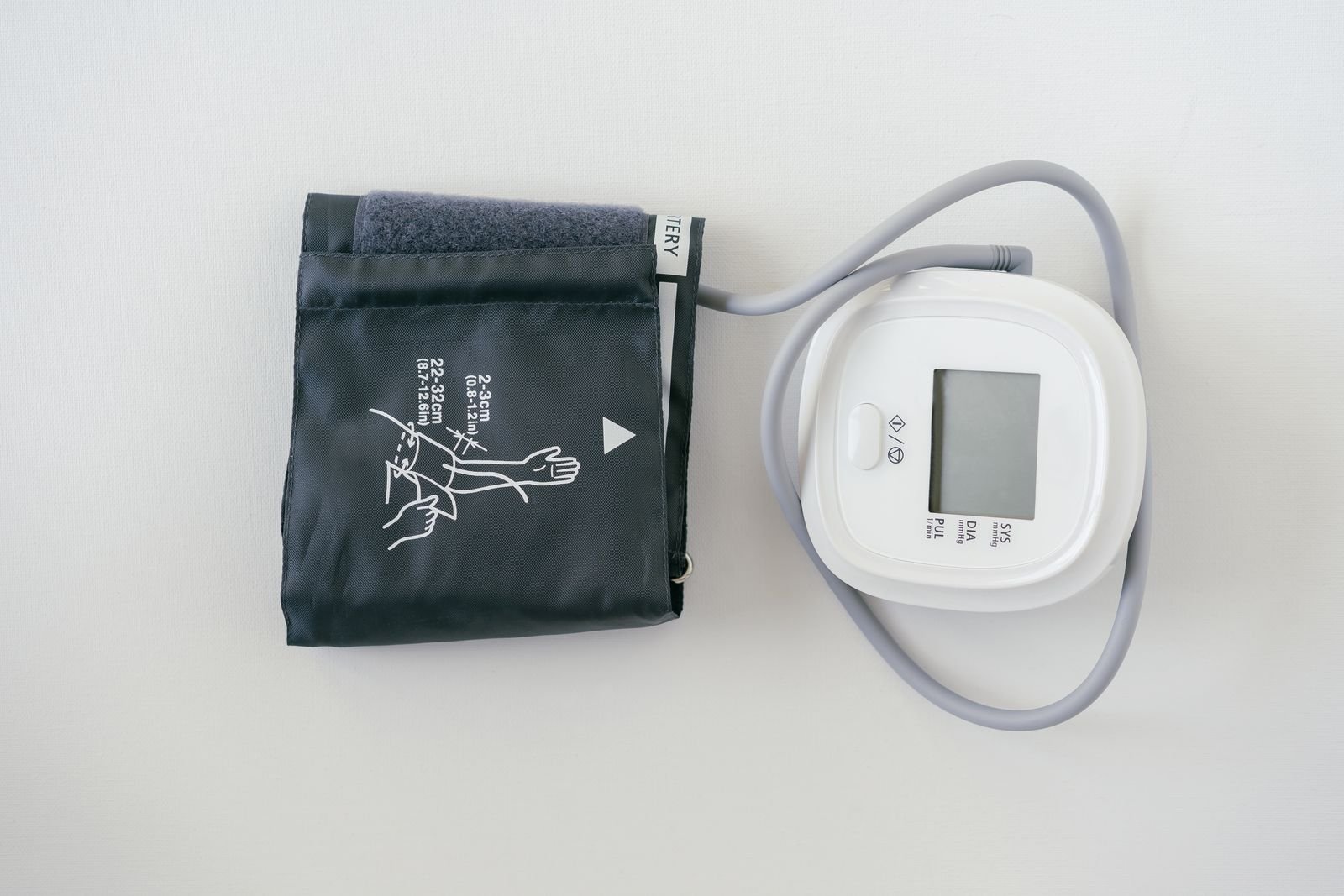
Blood pressure. The stress response raises blood pressure, and the chronic version of that is a real cardiovascular risk rather than a figure of speech. A home cuff used twice a week for a month tells you far more than one reading taken in a waiting room while you are already tense about being there.
Heart rate variability. HRV is the most commonly used measure of stress in the research literature, and it does reflect the balance between your fight-or-flight and rest-and-recover systems. Lower variability tends to track with sympathetic dominance, higher with resilience. The catch is that any single night is close to meaningless. Alcohol, a late meal, a bad night or a head cold will all move it. Watch the seven day trend and ignore the daily number.
How long you take to fall asleep. Sleep latency is an underrated stress marker and needs no device at all. If you used to lie there running through tomorrow and now you do not, that counts.
What is not worth the money
Direct to consumer salivary cortisol kits are tempting and mostly unhelpful. Cortisol follows a daily curve, so a single sample is hard to interpret without knowing exactly where on that curve it was taken, and the result rarely changes what you would sensibly do next.
A realistic timeline
Most of the techniques above work on the scale of weeks, not days. Give any of them a month of reasonably consistent effort before you judge it. If you have put in that month, the markers have not moved, and you still feel wrung out, that is not a signal to try harder. That is a signal to see a doctor, because persistent exhaustion has plenty of causes that have nothing to do with willpower.
FAQ: How to Manage Stress
Some quick answers on how to manage stress:
What’s the best way to manage stress?
Regular exercise and fixing your sleep are among the highest-impact. Add controlled breathing, mindfulness, time outdoors, boundaries, and social connection. The best techniques are the ones you’ll do consistently.
How do I lower stress quickly?
Controlled breathing is the fastest tool, breathe in for 4 seconds, out for 6, for a few minutes. The longer exhale activates your calming nervous system and lowers the stress response almost immediately.
Does exercise really reduce stress?
Yes, it’s one of the most reliably effective stress reducers, burning off stress hormones, releasing endorphins, and improving sleep. Just avoid overtraining, which can raise cortisol.
How long does it take to feel less stressed?
Some tools (breathing, a walk) help immediately. Lowering your baseline chronic stress takes consistent practice over weeks. Small daily habits compound into meaningful change.
When should I get professional help for stress?
If stress feels unmanageable, significantly affects your daily life, or comes with anxiety or depression symptoms, speak to a doctor or mental health professional. You don’t need to hit a crisis point to seek support.
The Bottom Line on How to Manage Stress
The bottom line on how to manage stress: Managing stress isn’t soft or vague. It’s a set of specific, evidence-based techniques that measurably protect your health, sleep, weight, and hormones. Regular exercise and good sleep are the highest-leverage moves, backed up by controlled breathing, mindfulness, time outdoors, boundaries, and connection. Don’t try to do everything; pick two or three that fit your life and do them consistently, anchored to habits you already have. Chronic stress is a real health risk, but it’s one you have real tools to manage, and if it ever feels beyond self-management, reaching out for help is a strength, not a failure.
This article is for informational purposes only and does not constitute medical advice. If you’re struggling with stress or your mental health, please reach out to a qualified professional or someone you trust. Support is available.
Sources
- Goyal M et al. Meditation programs for psychological stress and well-being: a systematic review and meta-analysis. JAMA Intern Med, 2014
- Salmon P. Effects of physical exercise on anxiety, depression, and sensitivity to stress: a unifying theory. Clin Psychol Rev, 2001
- Zaccaro A et al. How Breath-Control Can Change Your Life: A Systematic Review on Psycho-Physiological Correlates of Slow Breathing. Front Hum Neurosci, 2018
- Hunter MR et al. Urban Nature Experiences Reduce Stress in the Context of Daily Life Based on Salivary Biomarkers. Front Psychol, 2019
- StatPearls, Physiology: Stress Reaction: cortisol, blood pressure and the cardiovascular stress response.
- The persistent effect of acute psychosocial stress on heart rate variability: HRV as a stress measure and its limitations.