

High cholesterol is a major, common concern for men, and a key risk factor for heart disease, the leading killer of men. Many men want to know whether they can lower it through lifestyle before, or alongside, medication. The answer is that yes, lifestyle changes can meaningfully lower cholesterol for many people, though the extent varies, and medication is necessary in some cases. This guide covers the evidence-based ways to lower cholesterol naturally, and notes when it’s a conversation for your doctor.
First: A Note on Cholesterol and Your Doctor
An important starting point. Cholesterol management is a medical matter, high cholesterol is a real cardiovascular risk factor, and your target levels and treatment depend on your overall risk profile, which a doctor assesses (see blood tests for men). Lifestyle changes can lower cholesterol and are valuable for everyone, but:
If diet alone does not bring your LDL down far enough, our guide to statins explains the benefits, the side effects and the myths.
Not sure whether you need medicine as well as diet changes? A coronary calcium score can help settle the question for men at borderline or intermediate risk.
One cholesterol-related risk diet cannot shift is lipoprotein(a). Our guide to the Lp(a) test explains why every adult should check it once.
Cholesterol is only one of the levers. Our heart health for men guide covers the 2026 LDL goals, the PREVENT risk score and the other seven habits that protect your heart.
- For some people, lifestyle alone is enough to reach healthy levels.
- For others (especially those with high cardiovascular risk, very high cholesterol, or genetic conditions), medication like statins is necessary and shouldn’t be avoided, lifestyle complements it rather than replacing it.
So the goal isn’t necessarily “avoid medication at all costs”. It’s to improve your cholesterol through lifestyle (which benefits everyone), while working with your doctor on whether that’s sufficient or whether medication is warranted for your risk level. Don’t stop or refuse prescribed medication based on a general article, discuss it with your doctor. With that framing, here’s how lifestyle lowers cholesterol.
The Lifestyle Changes That Lower Cholesterol
1. Improve your diet (the biggest dietary lever)
Diet has a significant impact on cholesterol:
- Reduce saturated fat and avoid trans fats. Saturated fat (in fatty and processed meats, full-fat dairy, and many processed foods) and especially trans fats raise LDL (bad) cholesterol. Reducing them helps lower it (see is red meat bad, noting processed meat especially).
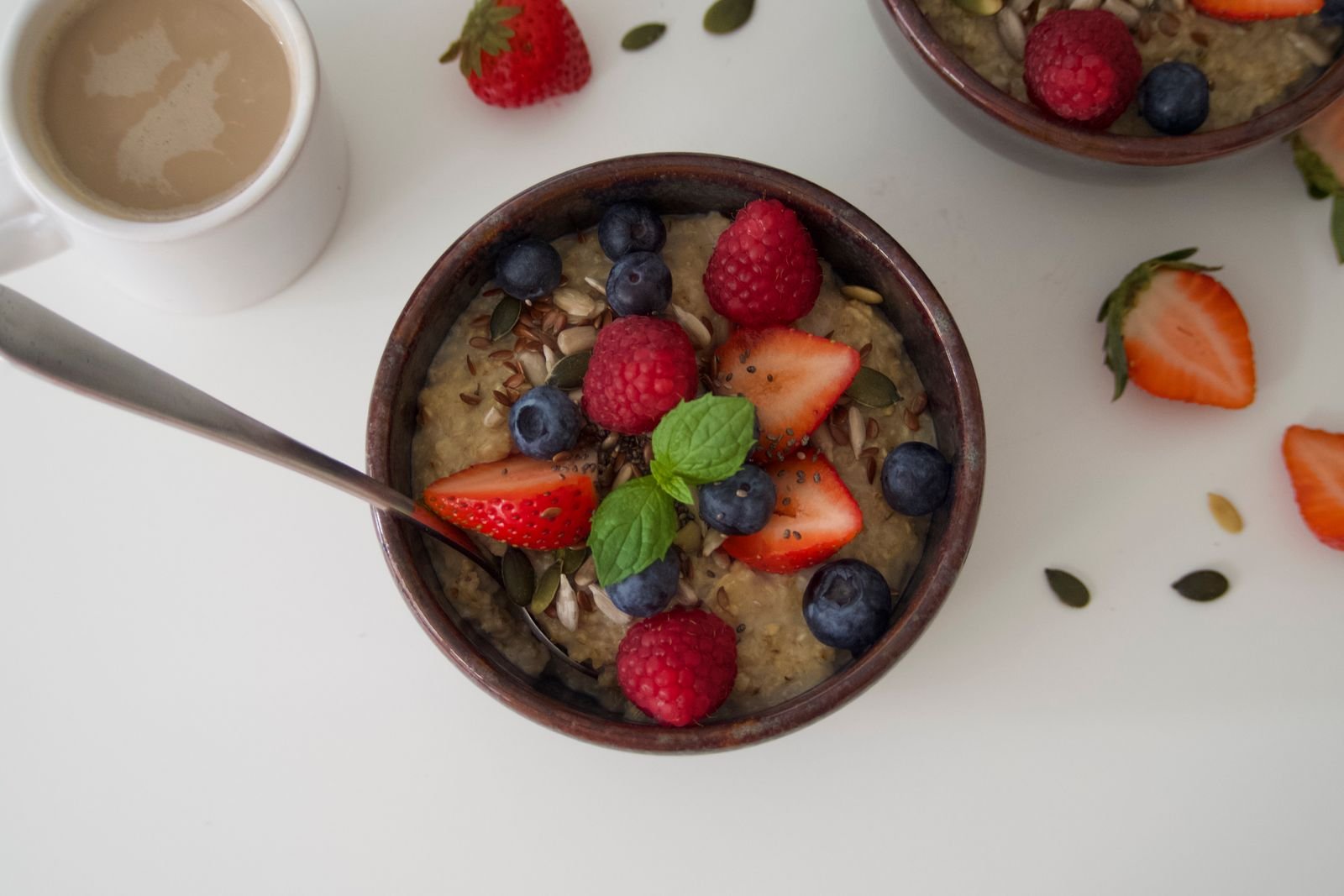
- Eat more soluble fiber. Soluble fiber (in oats, beans, legumes, fruits) actively helps lower LDL cholesterol. This is one of the most effective dietary changes (see how much fiber do men need). Most men are fiber-deficient, so increasing it helps a lot.
- Eat healthy unsaturated fats. Replacing saturated fat with unsaturated fats (from olive oil, nuts, seeds, fish, and yes, seed oils, which the panic misrepresents, see are seed oils bad) improves your cholesterol profile.
- Eat more whole plant foods. A diet rich in vegetables, fruits, legumes, whole grains, nuts, and fish (a Mediterranean-style pattern) is associated with better cholesterol and heart health (see best diet for men over 40).
- Get omega-3s. From fatty fish or supplements, which support heart health (see omega-3 for men).
2. Lose excess weight
Carrying excess body fat, particularly belly fat, worsens your cholesterol profile. Losing excess weight can improve your cholesterol (raising HDL, lowering LDL and triglycerides) (see how to lose belly fat after 40). This is a high-impact change for overweight men.
3. Exercise regularly
Physical activity improves your cholesterol, particularly raising HDL (good) cholesterol and lowering triglycerides. Both aerobic exercise (see zone 2 cardio and how to improve VO2 max) and resistance training (see building muscle after 40) help. Regular exercise is a real cholesterol-improver and heart-protector.
4. Quit smoking
Smoking lowers HDL (good) cholesterol and damages your cardiovascular system. Quitting improves your cholesterol and dramatically reduces heart disease risk, one of the highest-impact things a smoker can do. See how fast that risk falls in our guide to smoking and heart disease.
5. Limit alcohol
Excessive alcohol can raise triglycerides and contribute to other problems. Moderating it supports better cholesterol and heart health (see alcohol and belly fat).
6. Reduce refined carbs and added sugar
High intake of refined carbs and added sugar can worsen your cholesterol profile (raising triglycerides and lowering HDL). Cutting back helps (see sugar and men’s health).
How Much Can Lifestyle Lower Cholesterol?
A note on expectations. Lifestyle changes can meaningfully improve cholesterol for many people, sometimes enough to reach healthy levels, particularly through diet (soluble fiber, reduced saturated fat), weight loss, and exercise. However, the extent varies between individuals, some people’s cholesterol responds strongly to lifestyle, others less so (genetics play a significant role). For some, lifestyle brings cholesterol into a healthy range; for others, especially those with high baseline cholesterol, high cardiovascular risk, or genetic conditions, lifestyle helps but medication is still needed. This is why it’s a conversation with your doctor, who can assess whether your lifestyle-improved levels are sufficient for your risk profile or whether medication is warranted.
The Portfolio Approach
Most dietary advice for cholesterol works one food at a time: eat more oats, swap butter for olive oil. The Portfolio diet is built on a different idea. Several foods that each lower LDL cholesterol a little are combined, and their effects add up.
The four components
- Plant sterols: found in fortified spreads and some yoghurt drinks.
- Viscous (soluble) fibre from oats, barley, psyllium, beans, lentils, aubergine and okra.
- Soy protein from tofu, soy milk, edamame and tempeh.
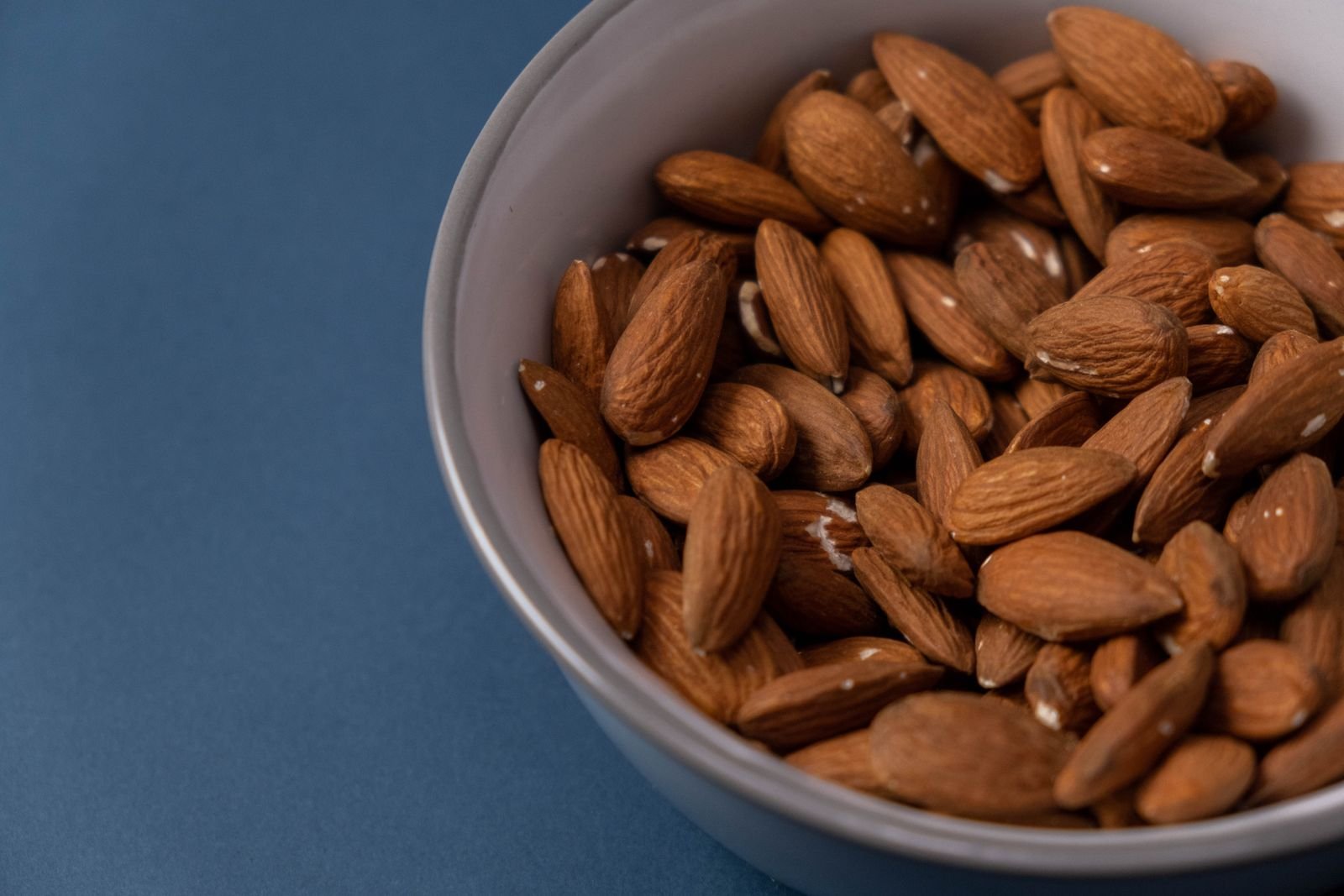
- Nuts, around a handful a day.
How much it lowers cholesterol
A 2018 meta-analysis of controlled trials found that the Portfolio pattern lowered LDL cholesterol by about 17 percent. When it was combined with a diet already low in saturated fat, as it was designed to be, the reduction reached about 27 percent. It also improved non-HDL cholesterol, ApoB and C-reactive protein, a marker of inflammation.
For context, 20 to 30 percent is in the range of what a low-dose statin achieves. That does not mean food can replace medication for someone who needs it. For some men with modestly raised cholesterol, though, it can be the difference between needing a prescription and not.
Making it realistic
The trials used a fairly demanding version of the diet, and most men will not follow all four components every day. The good news is that each one helps on its own. A practical starting point: porridge made with oats or barley most mornings, a handful of nuts as your afternoon snack, beans or lentils in a few dinners a week, and soy in place of meat once or twice. Recheck your cholesterol after three months and see how far it has moved.
Frequently Asked Questions
Can you lower cholesterol without medication?
Yes, lifestyle changes can meaningfully lower cholesterol for many people, sometimes enough to reach healthy levels. Diet (more soluble fiber, less saturated fat), weight loss, exercise, quitting smoking, and limiting alcohol all help. But the extent varies, and medication is necessary for some, discuss it with your doctor.
What’s the best way to lower cholesterol naturally?
Improve your diet (increase soluble fiber from oats and beans, reduce saturated and trans fats, eat healthy unsaturated fats and whole plant foods), lose excess weight, exercise regularly, quit smoking, and limit alcohol and refined sugar. Diet and weight loss are often the biggest levers.
Does fiber lower cholesterol?
Yes, soluble fiber (in oats, beans, legumes, and fruits) actively helps lower LDL (bad) cholesterol, making it one of the most effective dietary changes. Since most men are fiber-deficient, increasing soluble fiber intake can meaningfully improve cholesterol.
Should I avoid statins and lower cholesterol naturally instead?
Not necessarily, this is a decision for your doctor based on your risk profile. Lifestyle changes benefit everyone and may be sufficient for some, but for those with high cardiovascular risk or very high cholesterol, medication is necessary. Don’t stop or refuse prescribed medication based on a general article.
How long does it take to lower cholesterol with lifestyle?
Lifestyle changes can improve cholesterol over weeks to a few months of consistent effort. Diet changes (like increasing soluble fiber) can show effects relatively quickly, while weight loss and exercise benefits build over time. Retest with your doctor after a few months to see your progress.
The Bottom Line
You can often lower your cholesterol meaningfully through lifestyle, which benefits everyone, though it’s a matter to manage with your doctor, since for some people (high cardiovascular risk, very high cholesterol, or genetic conditions), medication is necessary and shouldn’t be avoided. The evidence-based lifestyle changes that lower cholesterol are: improving your diet (increasing soluble fiber from oats and beans, reducing saturated and trans fats, eating healthy unsaturated fats and whole plant foods), losing excess weight, exercising regularly, quitting smoking, and limiting alcohol and refined sugar, with diet and weight loss often the biggest levers.
How much lifestyle lowers your cholesterol varies (genetics matter), so for some it reaches healthy levels while others still need medication. The right approach is to improve your cholesterol through these lifestyle changes while working with your doctor on whether that’s sufficient for your risk, rather than avoiding medication at all costs or stopping prescribed treatment based on a general article.
This article is for informational purposes only and does not constitute medical advice. Cholesterol management and any medication decisions should be made with a qualified healthcare professional based on your individual risk. Do not stop prescribed medication without medical guidance.
Sources
- NHLBI, Blood Cholesterol
- Jenkins DJ et al. Effect of a dietary portfolio of cholesterol-lowering foods given at 2 levels of intensity of dietary advice on serum lipids in hyperlipidemia: a randomized controlled trial. JAMA, 2011
- Ho HV et al. The effect of oat β-glucan on LDL-cholesterol, non-HDL-cholesterol and apoB for CVD risk reduction: a systematic review and meta-analysis of randomised-controlled trials. Br J Nutr, 2016
- Portfolio Dietary Pattern and Cardiovascular Disease: A Systematic Review and Meta-analysis of Controlled Trials (2018).