
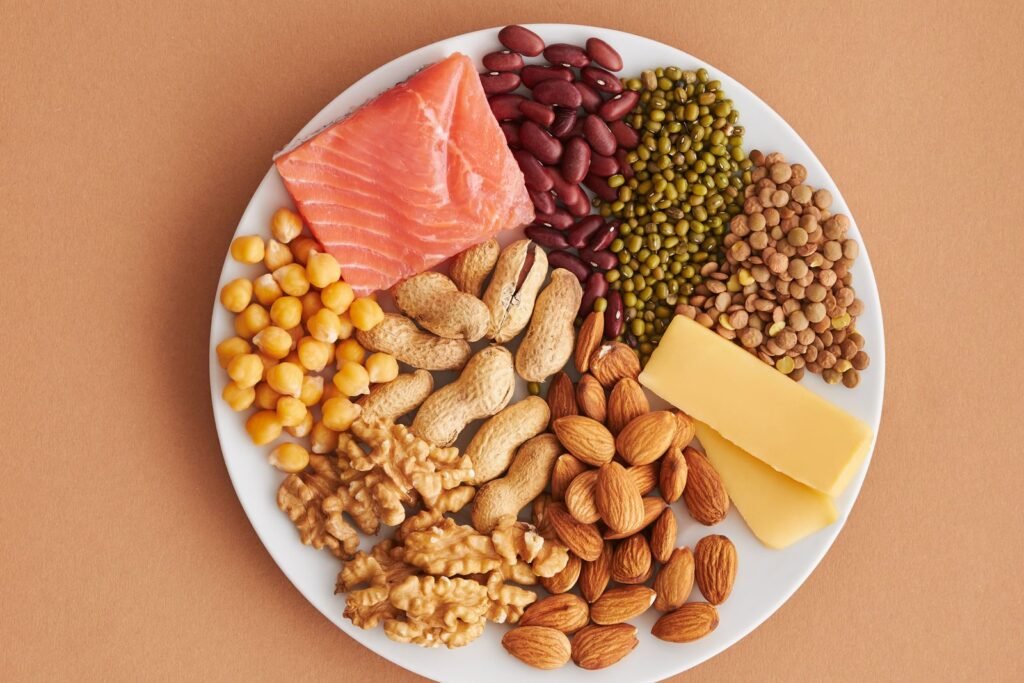
Fiber is one of the most underrated nutrients for men’s health, and one of the most commonly under-consumed. While men obsess over protein, most fall dramatically short on fiber, missing out on real benefits for digestion, heart health, weight, and more. The good news is that getting enough fiber is simple once you know how much you need and where to get it. This guide covers how much fiber men need, why it matters, and how to get enough.
How Much Fiber Men Need
The general recommendation for men is around 30 to 38 grams of fiber per day (guidelines often cite about 38 grams for younger men and around 30 grams for older men, or roughly 14 grams per 1,000 calories consumed).
Here’s the problem: most men get nowhere near this. The average intake is often around half the recommended amount, meaning the majority of men are significantly fiber-deficient. So there’s a good chance you’re not getting enough, and closing that gap offers real benefits. Aim for roughly 30+ grams per day as a target.
Why Fiber Matters for Men
Fiber offers a wide range of real health benefits, which is why falling short matters:
Digestive health. Fiber promotes healthy digestion and regular bowel movements, and supports gut health (see gut health for men). This is the benefit most people know, but it’s just the start.
Heart health. Fiber (particularly soluble fiber) helps lower LDL (bad) cholesterol and is associated with reduced cardiovascular disease risk, significant given heart disease is the leading killer of men (see how to lower cholesterol without medication).
Weight management and fullness. Fiber adds bulk and slows digestion, helping you feel full and satisfied, which supports eating less and managing weight (see how to lose belly fat after 40 and calorie deficit explained). High-fiber foods are naturally more filling.
Blood sugar control. Fiber slows the absorption of sugar, helping stabilise blood sugar and improve insulin sensitivity (see sugar and men’s health and testosterone and insulin resistance). This helps avoid the spikes and crashes of a low-fiber, refined diet.
Reduced disease risk. Adequate fiber intake is associated with lower risk of various conditions, including type 2 diabetes, certain cancers (like colorectal cancer, see symptoms men should not ignore), and others.
Gut microbiome. Fiber feeds your beneficial gut bacteria, supporting a healthy microbiome (see gut health for men and do probiotics work), which influences immunity, mood, and more.
So fiber isn’t just about “regularity”. It’s an important nutrient for heart health, weight, blood sugar, disease prevention, and gut health. Falling short means missing all of these benefits.

Types of Fiber (Briefly)
There are two main types, and you want both (a varied diet provides them naturally):
- Soluble fiber (in oats, beans, fruits, and some vegetables) dissolves in water, helps lower cholesterol and stabilise blood sugar, and feeds gut bacteria.
- Insoluble fiber (in whole grains, vegetables, and the skins of fruits) adds bulk and promotes regular bowel movements.
You don’t need to track these separately, eating a variety of high-fiber whole foods gives you both.
How to Get Enough Fiber
Getting to 30+ grams a day is simple with the right foods:
High-fiber foods to prioritise
- Vegetables, especially with skins, aim to fill half your plate (see best diet for men over 40)
- Fruits: whole fruit (with skin where edible) rather than juice
- Legumes: beans, lentils, chickpeas, among the highest-fiber foods
- Whole grains: oats, whole wheat, brown rice, quinoa (rather than refined grains)
- Nuts and seeds: they also provide healthy fats (see the men’s supplement stack for the bigger nutrition picture)
Practical tips
- Build meals around whole plant foods: vegetables, fruits, legumes, and whole grains naturally provide fiber (see best diet for men over 40).
- Choose whole over refined: whole grains over white/refined versions, whole fruit over juice. Refining strips out fiber.
- Add legumes: beans and lentils are fiber powerhouses and add protein too.
- Keep the skins on: much of the fiber in fruits and vegetables is in or near the skin.
- Increase gradually and drink water: ramping up fiber too fast can cause digestive discomfort (gas, bloating), so increase gradually and drink enough water to let fiber work well (see how much water should men drink).
- Snack on fiber: fruit, vegetables, and nuts make fiber-rich snacks (see high-protein snacks for weight loss for pairing with protein).
Most men can hit their fiber target simply by eating more whole plant foods, vegetables, fruits, legumes, and whole grains, and fewer refined, processed foods. It’s less about supplements and more about food choices.
Frequently Asked Questions
How much fiber do men need per day?
Around 30 to 38 grams per day (often cited as about 38 grams for younger men and 30 grams for older men, or roughly 14 grams per 1,000 calories). Most men get only about half this, so aim for 30+ grams daily as a target.
Why is fiber important for men?
Fiber supports digestive and gut health, lowers LDL cholesterol and heart disease risk, aids weight management and fullness, stabilises blood sugar and insulin sensitivity, reduces the risk of various diseases (including type 2 diabetes and colorectal cancer), and feeds a healthy gut microbiome. It’s important, not just for “regularity.”
How do I get more fiber?
Build meals around whole plant foods (vegetables, fruits, legumes, whole grains), choose whole over refined (whole grains over white, whole fruit over juice), add legumes (beans, lentils), keep skins on fruits and vegetables, and snack on fruit, vegetables, and nuts. Increase gradually and drink enough water.
What foods are high in fiber?
Legumes (beans, lentils, chickpeas) are among the highest, along with vegetables (especially with skins), whole fruits, whole grains (oats, whole wheat, brown rice, quinoa), and nuts and seeds. Prioritising these whole plant foods over refined ones gets you enough fiber.
Are men getting enough fiber?
Most aren’t. The average male intake is often around half the recommended amount, meaning the majority of men are significantly fiber-deficient. There’s a good chance you’re not getting enough, and increasing your intake of whole plant foods offers real health benefits.
The Bottom Line
Fiber is one of the most underrated and under-consumed nutrients for men, most get only about half the recommended 30 to 38 grams per day, missing out on real benefits. And those benefits are substantial: fiber supports digestive and gut health, lowers LDL cholesterol and heart disease risk, aids weight management and fullness, stabilises blood sugar and insulin sensitivity, and reduces the risk of various diseases including type 2 diabetes and colorectal cancer.
So fiber matters far beyond “regularity.” The good news is that getting enough is simple: build your meals around whole plant foods, vegetables, fruits, legumes, and whole grains, choose whole over refined, add fiber-rich legumes, keep the skins on your produce, and increase gradually while drinking enough water. Most men can close their fiber gap simply through better food choices rather than supplements. Given how many men fall short and how many benefits fiber offers, getting enough is one of the easier, higher-impact improvements you can make to your diet.
This article is for informational purposes only and does not constitute medical advice. Consult a qualified healthcare professional or registered dietitian for personalised nutrition guidance.
Sources
- Kim Y et al. Dietary fibre intake and mortality from cardiovascular disease and all cancers: A meta-analysis of prospective cohort studies. Arch Cardiovasc Dis, 2016
- Reynolds A et al. Carbohydrate quality and human health: a series of systematic reviews and meta-analyses. Lancet, 2019
- Dietary Guidelines for Americans