
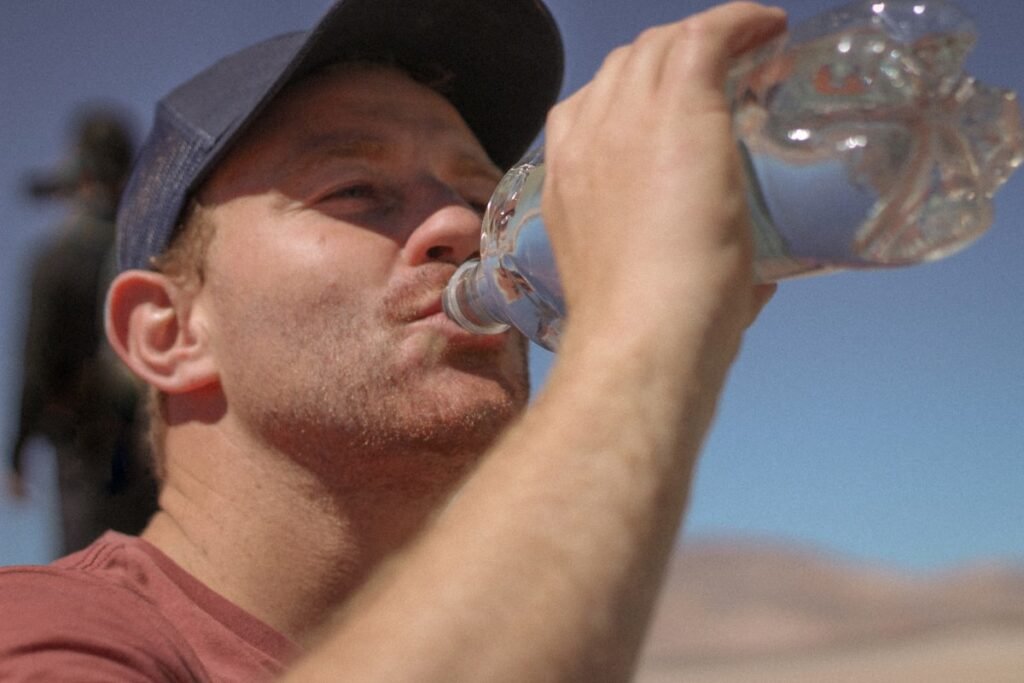
Hydration advice is everywhere, and much of it is oversimplified into rigid rules like “8 glasses a day” that don’t hold up to scrutiny. Staying well-hydrated matters for energy, performance, and health, but the amount you need is more individual and more flexible than the popular rules suggest. This guide cuts through the myths to explain how much water men need and how to tell if you’re getting enough. So how much water should men drink? The real answer depends on more than a fixed number.
Here’s where the evidence stands on how much water should men drink, which steps pay off, and which ones you can ignore.
The “8 Glasses a Day” Myth
Let’s start by dismantling the most famous rule. The “drink 8 glasses (about 2 litres) of water a day” guideline is not based on solid science. It’s a rough figure that got repeated until it became gospel. There’s nothing magic about 8 glasses, and it ignores the huge variation in individual needs.
It also ignores a key fact: you get significant water from food and other drinks, not just plain water. Fruits, vegetables, and many foods have high water content, and all beverages (including tea, coffee, and milk) contribute to hydration. So your total fluid intake is much more than the plain water you drink.
How Much Water Should Men Drink? What They Need
General guidance from health authorities suggests total daily fluid intake (from all sources, food and drink) of around 3.7 litres (about 15.5 cups) for men, but, and this is important, that’s total water from everything, not glasses of plain water you must force down. With roughly 20% typically coming from food, the actual drinking requirement is lower.
More usefully, your needs vary enormously based on:
- Activity level and sweating, exercise and heat dramatically increase needs (see electrolytes for men)
- Climate, hot weather means more
- Body size, larger men need more
- Diet, high-sodium or high-protein diets increase needs
- Overall health
Because of this variation, a rigid number is less useful than simply responding to your body’s signals and circumstances.
The Simplest Approach: Listen to Your Body
Rather than counting glasses, the most practical approach for most men is:
Drink when thirsty. Thirst is a reliable signal for most healthy people, your body is good at regulating hydration. Drinking to thirst generally keeps you adequately hydrated without obsessive tracking.
Check your urine. This is the most practical hydration gauge: pale yellow urine generally indicates good hydration, while dark yellow suggests you need more fluid. It’s a simple, real-time feedback tool.
Increase intake around exercise, heat, and illness. These are the situations where needs rise significantly and you should proactively drink more, rather than waiting for thirst.
For most men in normal circumstances, drinking to thirst and keeping urine pale is simpler and just as effective as chasing a specific number.
Signs You’re Not Drinking Enough
Watch for signs of dehydration:
- Dark yellow urine and infrequent urination
- Thirst (an obvious but real signal)
- Fatigue and low energy
- Headaches (see brain fog causes)
- Poor concentration and mental fogginess
- Dry mouth and lips
- Reduced exercise performance
Even mild dehydration can affect energy, mood, concentration, and physical performance, so if you notice these, more fluid may help.
Can You Drink Too Much?
Yes, though it’s uncommon. Excessively overdrinking water, far beyond need, can dilute your body’s sodium (hyponatremia), which is rare but potentially dangerous, occasionally seen in endurance athletes who overhydrate. The takeaway isn’t to fear water. It’s that forcing down huge amounts “to be safe” isn’t necessary or beneficial. Adequate, not maximal, is the goal. If you’re heavily sweating and drinking a lot of plain water, replacing electrolytes matters too (see electrolytes for men).
Practical Hydration Tips
- Drink to thirst and keep urine pale yellow
- Have water accessible throughout the day, convenience helps
- Drink more around exercise, heat, and illness
- Remember food and other drinks count toward hydration
- Watch caffeine and alcohol: alcohol is dehydrating (see alcohol and belly fat), and while moderate caffeine’s diuretic effect is mild, heavy intake adds up
- Don’t obsess: your body regulates hydration well; you don’t need to force-drink or track every ml
FAQ: How Much Water Should Men Drink
Some quick answers on how much water should men drink:
How much water should a man drink per day?
There’s no single magic number. General guidance suggests around 3.7 litres of total fluid daily from all sources (food and drink), but needs vary with activity, climate, and body size. For most men, drinking to thirst and keeping urine pale yellow works well.
Is 8 glasses a day accurate?
Not really, it’s a rough figure not based on solid science, and it ignores that you get significant water from food and other drinks. Individual needs vary too much for one rule. Listening to thirst and checking urine colour is more practical.
How do I know if I’m dehydrated?
Signs include dark yellow urine, thirst, fatigue, headaches, poor concentration, and dry mouth. Pale yellow urine indicates good hydration; dark yellow suggests you need more fluid.
Do coffee and tea count toward hydration?
Yes. Despite the myth that caffeine dehydrates you, moderate caffeinated drinks do contribute to your fluid intake. All beverages and water-rich foods count toward hydration.
Can you drink too much water?
Yes, though it’s uncommon. Excessively overdrinking far beyond need can dilute sodium (hyponatremia), rarely seen in endurance athletes. The goal is adequate hydration, not forcing down maximal amounts.
The Bottom Line on How Much Water Should Men Drink
The bottom line on how much water should men drink: The rigid “8 glasses a day” rule is a myth: there’s nothing magic about that number, and it ignores that you get significant water from food and other drinks. While general guidance suggests men need around 3.7 litres of total fluid daily from all sources, your actual needs vary enormously with activity, heat, and body size. For most men, the simplest and most effective approach is to drink to thirst and keep an eye on urine colour, aiming for pale yellow, while proactively drinking more around exercise, heat, and illness. Stay adequately hydrated for energy, focus, and performance, but skip the obsessive counting, your body regulates hydration well when you respond to its signals.
This article is for informational purposes only and does not constitute medical advice. Consult a qualified healthcare professional about hydration if you have kidney, heart, or other health conditions.