

Gynecomastia is the medical name for enlarged breast tissue in men. It’s common, usually harmless and often temporary, but it can be embarrassing, sometimes tender, and occasionally a sign of a hormone problem or a side effect of a medicine. This guide explains what causes it, how it differs from chest fat, the signs that need a doctor, and what treatment looks like.
See a doctor promptly if you notice
- A hard or fixed lump, especially one that isn’t centred under the nipple
- Dimpling or puckering of the skin, or skin that looks like orange peel
- A nipple that turns inward or changes direction
- Fluid from the nipple, especially if it’s bloody
- Scaly, red or swollen skin on the breast or nipple, or an open sore
- Swollen glands in your armpit or near your collarbone
- A lump or change in a testicle
Breast cancer in men is rare, and most breast changes turn out to be benign. Still, these signs need checking rather than watching.
What gynecomastia is
True gynecomastia is growth of the glandular tissue of the breast. It usually feels like a firm or rubbery disc sitting directly under the nipple, and it can affect one side or both. It’s different from pseudogynecomastia, which is fat on the chest without extra gland tissue.
The difference matters because the two have different causes and different fixes. A doctor can usually tell them apart by examination, and breast imaging helps when the examination isn’t clear.
A rough self-check
Lying on your back, place your thumb and forefinger either side of the nipple and gently bring them together. Then feel for what sits underneath. A firm, rubbery disc of tissue under the nipple suggests gland tissue. By contrast, soft tissue that spreads evenly, with no distinct disc, is more likely fat. This isn’t a diagnosis, and anything hard, fixed or off to one side should be checked by a doctor rather than self-assessed.
How common is gynecomastia?
It’s more common than most men assume. Depending on age and how it’s defined, studies report gynecomastia in 32% to 65% of men. It tends to appear at three points in life:
- Infancy. Common, and it usually settles within the first year.
- Puberty. About half of boys in mid-puberty develop some breast tissue, and in more than 90% of cases it goes away on its own within two years.
- Adulthood. It becomes more common with age, and when adult cases are properly investigated, an underlying cause turns up in about half.
Why it happens: the estrogen and testosterone balance
Breast tissue grows under the influence of estrogen and is held back by androgens such as testosterone. Most gynecomastia comes down to that balance tipping, through too little androgen action, too much estrogen action, or both.
Men make some estrogen normally, much of it by converting testosterone in body fat. That’s one reason excess body fat, liver disease and some testicular problems are all linked to higher estrogen levels in men (see high estrogen in men, and our complete guide to testosterone for the bigger picture).
Common causes of gynecomastia
Medicines and substances
Medicines are one of the most common causes, and also one of the most fixable. Spironolactone, used for blood pressure and heart failure, is a well-known example. Finasteride, the hair loss and prostate drug, lists breast tenderness and enlargement on its label. Anabolic steroids and other bodybuilding hormones are frequent culprits, and some supplements and recreational drugs are linked too.
Don’t stop a prescribed medicine on your own. Instead, ask your doctor whether it could be responsible and whether an alternative exists.
Health conditions
- Low testosterone (hypogonadism). Less androgen means less of a brake on breast tissue.
- Liver disease and kidney failure. Both upset how the body handles hormones, so estrogen can build up.
- An overactive thyroid. Hyperthyroidism shifts sex hormone levels and can trigger breast growth (see thyroid symptoms in men).
- Tumours. Rarely, a tumour, most often in a testicle, produces hormones that cause gynecomastia. That’s why the assessment includes a testicular examination, often an ultrasound, and blood tests for tumour markers.
No clear cause
Even after a full work-up, a specific cause isn’t found in a large share of adult cases. That’s frustrating, but it’s also reassuring: the common serious causes have been ruled out.
Gynecomastia vs chest fat
| Gynecomastia | Chest fat (pseudogynecomastia) | |
|---|---|---|
| Tissue | Glandular breast tissue | Fat |
| How it feels | Firm or rubbery disc under the nipple | Soft, spread across the chest, no disc |
| Tenderness | Can be tender, especially when new | Usually not tender |
| Effect of fat loss | Only partly improves | Usually shrinks as body fat drops |
| Main drivers | Hormone balance, medicines, health conditions | Overall body fat |
In practice, many men have a mix of both. Losing body fat helps with the fat component and may help hormone balance, but gland tissue that has been there a long time rarely disappears with diet and training alone. For the fat-loss side, see how to lose belly fat after 40.
Is it breast cancer?
Almost always, no, because gynecomastia and cancer are different things. Gynecomastia also isn’t considered a precancerous condition, and breast cancer in men is rare. Fewer than 1 in 100 breast cancers in the US occur in men, and a man’s lifetime risk is about 1 in 755. When it does happen, the average age at diagnosis is 60 to 70.
The warning signs at the top of this page are what separate a change that needs prompt checking from typical gynecomastia. A family history of breast cancer, a BRCA gene change or previous radiation to the chest also raise the stakes, so mention them.
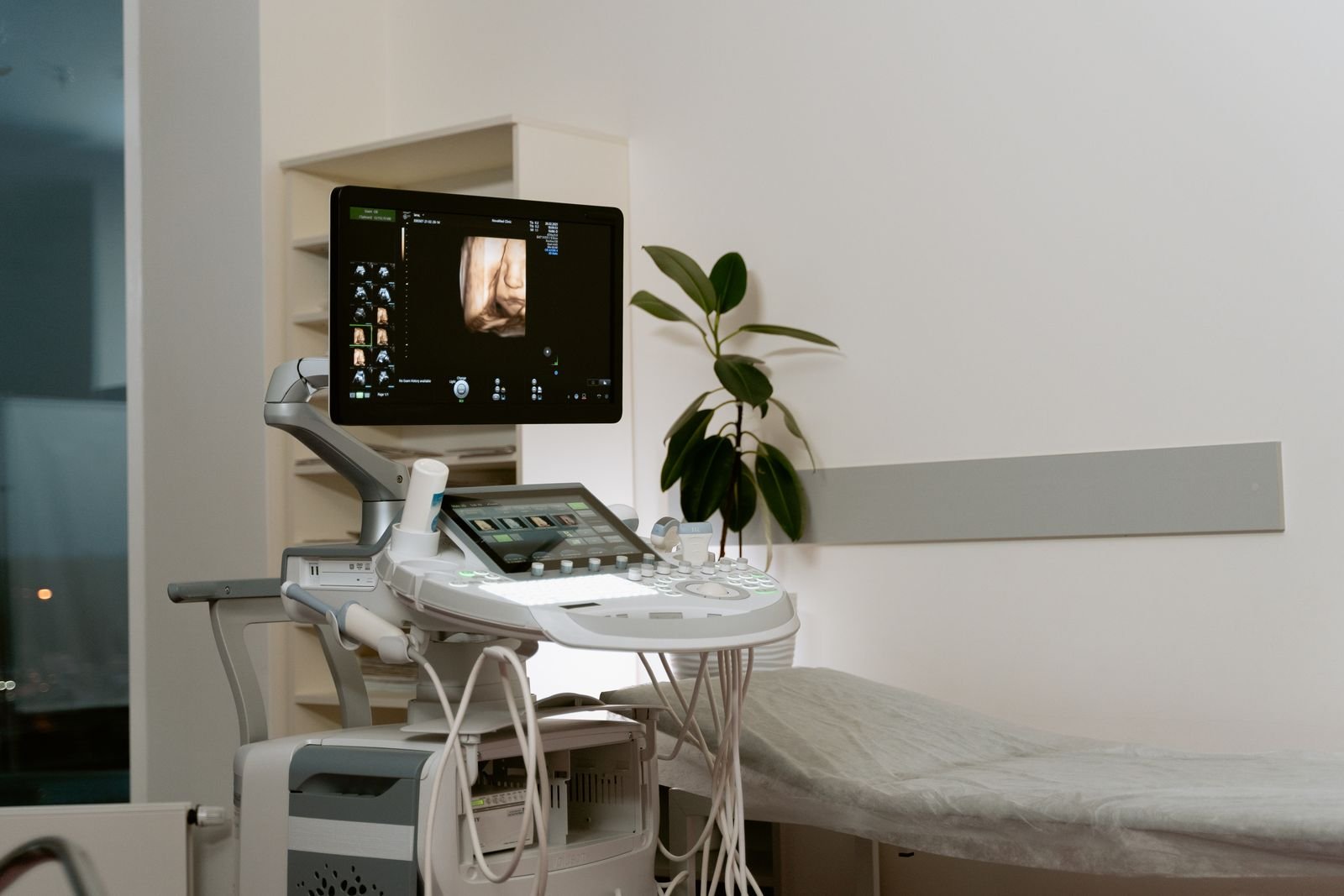
What a doctor will check
A European guideline on gynecomastia recommends an assessment that covers:
- A full history, including every medicine, supplement and substance, and whether the swelling is new or long-standing
- An examination of both breasts and the genitals, often with a testicular ultrasound
- Blood tests, which may include testosterone, estradiol, SHBG, LH, FSH, TSH, prolactin, liver and kidney function, and tumour markers such as hCG and AFP
- Breast imaging if the examination is unclear, and a core needle biopsy straight away if anything looks suspicious
Each test has a job. Testosterone, estradiol, SHBG, LH and FSH show whether the balance between androgens and estrogen has shifted, and whether the problem starts in the testes or in the signals from the brain. TSH checks for an overactive thyroid, while prolactin looks for a pituitary cause. Liver and kidney tests pick up the organ problems linked to breast growth, and hCG and AFP screen for the rare testicular tumours that produce hormones.
The guideline’s stated aim is to find reversible causes and underlying disease, and to tell gynecomastia apart from other breast lumps, above all breast cancer. For most men, the result is reassurance and a plan rather than a diagnosis of anything serious.

Gynecomastia treatment: what helps
- Treat the cause first. Stopping a responsible drug or treating the underlying condition comes first, followed by a period of watchful waiting. New gynecomastia often settles once the trigger is gone.
- Testosterone only for proven deficiency. The same guideline recommends testosterone treatment only for men with confirmed low testosterone (see testosterone replacement therapy explained).
- Anti-estrogen drugs aren’t routine. The guideline says drugs such as tamoxifen and other estrogen blockers aren’t justified in general. They’re sometimes used in specific situations under specialist care, not as a do-it-yourself fix (see estrogen blockers for men).
- Surgery for long-standing cases. When gynecomastia has been present for a long time, surgery is the treatment of choice.
What you can do yourself
- Go through your medicines and supplements with your doctor or pharmacist.
- Avoid anabolic steroids, prohormones and “testosterone boosters” with vague ingredient lists (see do testosterone boosters work).
- If you’re carrying extra body fat, losing it helps the fat part of the problem.
- Don’t self-treat with estrogen blockers bought online. Pushing estrogen too low also causes problems of its own.
- If it’s affecting how you feel about yourself, say so. That’s a legitimate reason to seek treatment, and doctors take it seriously.
Frequently asked questions
Does gynecomastia go away on its own?
Often, yes. Gynecomastia during puberty resolves by itself within two years in more than 90% of cases. In adults, it often improves once a responsible medicine is stopped or an underlying condition is treated. However, gynecomastia that has been present for a long time is less likely to go away without surgery.
Can low testosterone cause gynecomastia?
Yes. Testosterone normally holds breast tissue in check, so low levels can let it grow. It’s one of the conditions a doctor will look for, and testosterone treatment is recommended only when a deficiency is confirmed.
Can you get rid of gynecomastia with exercise?
Exercise and fat loss reduce chest fat, which can make a big difference if much of the fullness is fat. They don’t remove glandular breast tissue, so true gynecomastia that persists may need medical treatment or surgery.
Is gynecomastia dangerous?
Gynecomastia itself isn’t dangerous and isn’t a precancerous condition. It still deserves a medical check, because it can point to a medicine side effect or an underlying condition, and because a doctor can rule out the rare cases that need more attention.
This article is for informational purposes only and does not constitute medical advice. If you notice breast changes, see a qualified healthcare professional.
Sources
- Kanakis GA et al. EAA clinical practice guidelines: gynecomastia evaluation and management. Andrology, 2019
- Narula HS, Carlson HE. Gynaecomastia: pathophysiology, diagnosis and treatment. Nat Rev Endocrinol, 2014
- Dickson G. Gynecomastia. Am Fam Physician, 2012
- Braunstein GD. Clinical practice: gynecomastia. N Engl J Med, 2007
- National Cancer Institute, Male Breast Cancer
- American Cancer Society, Key Statistics for Breast Cancer in Men
- PROPECIA (finasteride) prescribing information, DailyMed (US National Library of Medicine)