

Tired all the time, heavier than you used to be, less interested in sex, a bit foggy. Most men put that list down to work, age or bad sleep, and often they’re right. But the same cluster is also the classic picture of an underactive thyroid, and thyroid symptoms in men are easy to miss because thyroid disease is far more common in women and men get tested less. This guide covers what an underactive and an overactive thyroid feel like, how they overlap with low testosterone, and when a blood test makes sense.
Thyroid symptoms that need prompt care
Most thyroid problems build slowly, over months. However, a few signs call for a quicker appointment:
- A new lump or swelling at the front of your neck, or trouble swallowing or breathing
- A racing or irregular heartbeat, or feeling faint
- Unexplained weight loss together with shaky hands, heavy sweating or anxiety
- Severe tiredness with confusion, feeling very cold, or unusual drowsiness
Chest pain, fainting or confusion, though, needs urgent care, not a routine booking.
What your thyroid does
Your thyroid is a small, butterfly-shaped gland at the front of your neck. It makes two hormones, thyroxine (T4) and triiodothyronine (T3), which set the pace at which your body uses energy. They reach nearly every organ, including your heart. So with too little hormone, many body functions slow down. With too much, on the other hand, they speed up.
The gland takes its orders from the pituitary, which releases thyroid-stimulating hormone (TSH). When thyroid output drops, the pituitary raises TSH to push harder. In contrast, when output runs high, TSH falls. That feedback loop is also why TSH is usually the first test a doctor orders.
Thyroid symptoms in men: underactive vs overactive
Symptoms of an underactive thyroid in men
An underactive thyroid (hypothyroidism) slows things down. In men, the common symptoms include:
- Fatigue and low energy
- Weight gain
- Feeling cold when others are comfortable
- Joint and muscle aches
- Dry skin, and dry or thinning hair
- A slow heart rate
- Low mood or depression
- Constipation, and a hoarse or deeper voice
Because hypothyroidism develops slowly, you may not notice the changes for months or even years. It can also push cholesterol up. That’s why a high cholesterol result is one of the reasons doctors check thyroid function.
Symptoms of an overactive thyroid in men
An overactive thyroid (hyperthyroidism) does the opposite. In men, the usual symptoms are:
- Weight loss despite a bigger appetite
- A fast or irregular heartbeat
- Nervousness, irritability and trouble sleeping
- Shaky hands and muscle weakness
- Sweating, and trouble tolerating heat
- More frequent bowel movements
- A swelling in the neck, called a goitre
In older men, however, the picture can be quieter: loss of appetite, withdrawal or low mood, which is sometimes mistaken for depression or dementia. Left untreated, an overactive thyroid can cause an irregular heartbeat that raises the risk of stroke and heart failure, and it thins the bones over time.
The symptoms men don’t mention: sex drive, erections and ejaculation
Thyroid problems affect sexual function more often than most men realise, and it’s rarely the first thing anyone asks about. An Italian multicentre study screened 48 men with untreated thyroid disease. In the 14 men with an underactive thyroid, low desire, erection problems and delayed ejaculation were each reported by about two in three. In the 34 men with an overactive thyroid, half had premature ejaculation. Once their thyroid levels were brought back to normal, premature ejaculation in that group fell from 50% to 15%, and time to ejaculation almost doubled.
The study was small, so treat the exact figures loosely. Even so, the pattern is the useful part. New sexual problems, especially alongside tiredness or a change in weight, are a reason to check your thyroid as well as your testosterone (see low libido causes in men and erectile dysfunction causes).
Thyroid disease also shifts sex hormone-binding globulin (SHBG), the protein that carries testosterone in the blood. So a thyroid problem can move your total testosterone result even when the testes are working normally (see what SHBG is).
Thyroid or low testosterone? Telling the symptoms apart
An underactive thyroid and low testosterone share a lot of ground, and in men you can’t separate them on symptoms alone. The table shows where they overlap and where they tend to differ.
| Symptom | Underactive thyroid | Low testosterone |
|---|---|---|
| Tiredness and low energy | Common | Common |
| Low sex drive | Common | Common, often a leading symptom |
| Erection problems | Can occur | Common, including fewer morning erections |
| Weight change | Weight gain | More belly fat, less muscle |
| Feeling cold | Typical | Not typical |
| Dry skin, thinning scalp hair | Typical | Not typical; body hair may thin |
| Slow heart rate, constipation | Can occur | Not typical |
| Low mood | Common | Common |
| First blood test | TSH, then free T4 | Early-morning total testosterone, repeated to confirm |
Because the overlap is so large, many doctors check both when a man comes in tired with a low sex drive. If you’ve already been told your testosterone is low, it’s reasonable to ask whether your thyroid has been checked too (see signs of low testosterone, and our complete guide to testosterone for the wider picture).
How common thyroid problems are in men
In the large US NHANES III survey, 4.6% of people aged 12 and over had an underactive thyroid, most of it mild, and 1.3% had an overactive thyroid. Both are more common in women and in people over 60, which is one reason men with thyroid symptoms are tested less often. Thyroid antibodies, a marker of autoimmune thyroid disease, also become more common with age.
Your odds also go up if you have a family history of thyroid disease, have had thyroid surgery, radioactive iodine or radiation to the neck or chest, or have another condition that often travels with it, such as type 1 or type 2 diabetes, coeliac disease or pernicious anaemia.
What causes thyroid problems
- Hashimoto’s disease. The immune system attacks the thyroid. It’s the most common cause of an underactive thyroid.
- Graves’ disease. Also autoimmune, but it drives the thyroid to overproduce. It’s the most common cause of an overactive thyroid.
- Thyroiditis. Inflammation can leak stored hormone into the blood, causing a temporary overactive phase that is sometimes followed by an underactive one.
- Nodules. Lumps in the thyroid are common and usually not cancerous, but some start producing too much hormone.
- Medicines and treatments. Some heart, bipolar and cancer medicines can affect the thyroid, as can surgery, radioactive iodine and radiation.
- Iodine. Large amounts from kelp, seaweed supplements or some cough syrups can tip a sensitive thyroid either way.
Nicotine use is also listed as a risk factor for an overactive thyroid.
The tests, and what can throw them off
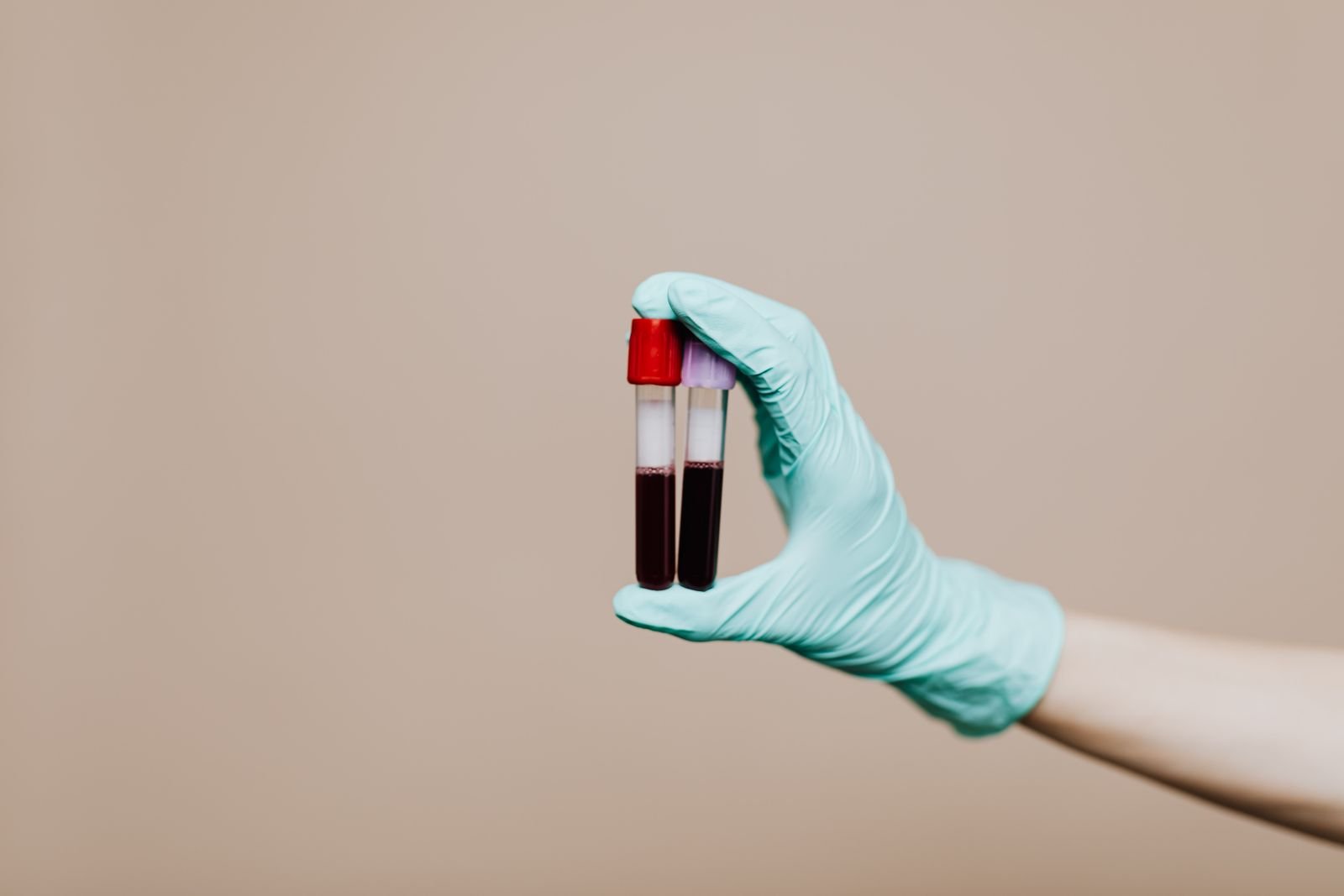
When men have thyroid symptoms, the check starts with a blood test for TSH. A high TSH usually points to an underactive thyroid, and a low TSH usually points to an overactive one. If TSH is abnormal, the next step is free T4, the unbound hormone available to your tissues, and sometimes T3. Antibody tests help confirm Hashimoto’s or Graves’, and an ultrasound is used when there’s a lump. Our guide to blood tests for men shows where the thyroid fits in a routine panel.
However, a few things can distort the results:
- Biotin. This popular hair and nail supplement can interfere with lab tests built on a biotin-based design, including some thyroid tests, and produce misleading numbers. Tell whoever orders the test that you take it, and ask how long to pause it beforehand.
- Serious illness and steroids. Severe illness and corticosteroid medicines change the proteins that carry thyroid hormone. That’s one reason many doctors prefer to measure free T4 rather than total T4.
- Lab ranges. Reference ranges vary between labs. So your report shows the range that applies to your result.
Mildly abnormal results: why “treat the number” isn’t automatic
Many men who get tested land in a grey zone: TSH slightly high, free T4 normal. Doctors call this subclinical hypothyroidism, and in NHANES III it made up most of the hypothyroidism found. It’s tempting to assume that treating it will fix the tiredness that prompted the test. However, the trials don’t support that assumption.
A 2018 meta-analysis in JAMA pooled 21 randomised trials with 2,192 adults who had subclinical hypothyroidism. Thyroid hormone brought TSH back into the normal range, but it didn’t improve quality of life or thyroid-related symptoms compared with placebo. The authors therefore concluded the findings don’t support routine treatment.
Still, that doesn’t mean a mild result gets ignored. Doctors usually repeat the test, check antibodies and follow the trend over time, and guidelines differ on exactly when to start treatment, so that’s a conversation to have with your doctor. It does mean that if you feel unwell and your thyroid is only slightly off, the search for a cause shouldn’t stop there (see brain fog causes and B12 deficiency in men).
Should every man be screened?
No major body recommends routine thyroid screening for men without symptoms. The US Preventive Services Task Force concluded in 2015 that the evidence is insufficient to weigh the benefits and harms of screening non-pregnant adults who have no symptoms.
Instead, the rule is simple: test when there’s a reason. For men, thyroid symptoms like the ones listed above, a family history, a neck lump, high cholesterol, or new problems with sex drive or erections are all good reasons to ask.
How thyroid problems are treated
Underactive thyroid. The standard treatment is levothyroxine, a daily tablet identical to the T4 a healthy thyroid makes. Doctors then recheck blood levels about 6 to 8 weeks after starting or changing the dose, then less often once things are stable. Most men feel better when the dose is right. Still, too much thyroid hormone brings its own problems, including atrial fibrillation and bone loss, so blood tests guide the dose rather than how you feel on a given day.
Overactive thyroid. Beta-blockers can calm a racing heart and shaky hands within hours while other treatment takes effect. Antithyroid medicines then reduce hormone production, and radioactive iodine and surgery are longer-term options. Radioactive iodine usually leads to an underactive thyroid later, which is then managed with levothyroxine.
A few practical points if you end up on levothyroxine. It’s usually taken in the morning before eating, because food can affect how much you absorb. Also, don’t stop it without talking to your doctor, and tell them before starting new medicines, since some interact with it. Untreated, severe hypothyroidism can rarely progress to myxedema coma, a life-threatening slowdown of the body, which is one more reason not to leave clear symptoms unexamined.
Does diet or iodine matter?
Your thyroid needs iodine to make its hormones, but in the United States iodine deficiency is extremely rare. The bigger risk for most men runs the other way. If you have Hashimoto’s or Graves’ disease, large amounts of iodine from kelp, dulse, other seaweeds or iodine supplements can trigger or worsen thyroid problems. Some cough syrups and multivitamins contain iodine too.
Beyond that, no special diet cures an underactive or overactive thyroid, and “thyroid support” supplements sold online are a poor substitute for a blood test. If you take any supplement that contains iodine or seaweed, mention it to your doctor.
Getting ready for the appointment
- Write down your symptoms and roughly when each one started, because slow changes are easy to forget.
- List every medicine and supplement, including biotin, kelp or iodine products.
- Mention any family history of thyroid disease or other autoimmune conditions.
- If your sex drive or erections have changed, say so. It shapes which tests make sense.
- Ask for your TSH number, not just whether it was “normal”, and keep a copy to compare next time.
If your results come back normal and you still feel off, that’s useful information too. It narrows the search, and chronic stress, poor sleep and low testosterone are the usual next suspects.
Frequently asked questions
What are the first signs of thyroid problems in men?
For an underactive thyroid, tiredness, weight gain, feeling cold and low mood are common early signs, often with a drop in sex drive. For an overactive thyroid, early signs include weight loss, a fast heartbeat, shaky hands, sweating and poor sleep. Because these overlap with stress and ageing, a TSH blood test is the only way to know.
Can thyroid problems cause erectile dysfunction?
Yes. Both underactive and overactive thyroid disease are linked to sexual problems in men, including low desire, erection problems and changes in ejaculation. In a small study, many of these problems improved once thyroid levels were brought back to normal.
Does hypothyroidism lower testosterone?
It can lower total testosterone, partly because thyroid hormones affect SHBG, the protein that carries testosterone. That’s why doctors often check thyroid function when testosterone comes back low, and why treating the thyroid can change the testosterone result.
What is a normal TSH level?
Each lab sets its own reference range, which is printed on your report. More important than a single number is where you sit relative to that range, whether free T4 is normal, and whether the result holds on a repeat test.
This article is for informational purposes only and does not constitute medical advice. If you have symptoms of a thyroid problem, see a qualified healthcare professional.
Sources
- NIDDK, Hypothyroidism (Underactive Thyroid)
- NIDDK, Hyperthyroidism (Overactive Thyroid)
- NIDDK, Thyroid Tests
- Chaker L et al. Hypothyroidism. Lancet, 2017
- De Leo S et al. Hyperthyroidism. Lancet, 2016
- Hollowell JG et al. Serum TSH, T4, and thyroid antibodies in the United States population (1988 to 1994): NHANES III. J Clin Endocrinol Metab, 2002
- Carani C et al. Multicenter study on the prevalence of sexual symptoms in male hypo- and hyperthyroid patients. J Clin Endocrinol Metab, 2005
- Krassas GE et al. Thyroid function and human reproductive health. Endocr Rev, 2010
- Feller M et al. Association of thyroid hormone therapy with quality of life and thyroid-related symptoms in patients with subclinical hypothyroidism: a systematic review and meta-analysis. JAMA, 2018
- LeFevre ML, US Preventive Services Task Force. Screening for thyroid dysfunction: recommendation statement. Ann Intern Med, 2015
- Jonklaas J et al. Guidelines for the treatment of hypothyroidism: American Thyroid Association task force. Thyroid, 2014
- Dasgupta A. Immunoassay design and biotin interference. Adv Clin Chem, 2022
- Bhasin S et al. Testosterone therapy in men with hypogonadism: an Endocrine Society clinical practice guideline. J Clin Endocrinol Metab, 2018