

For men prescribed testosterone replacement therapy, one of the first practical questions is which form to use. The two most common options, testosterone cream (or gel) and injections, deliver testosterone very differently, and each has real advantages and drawbacks. Understanding how they compare helps you have a more informed conversation with your doctor. This guide breaks down testosterone cream versus injections, clearly. It’s background for a decision that should always be made with a doctor, not a recommendation to self-treat.
First: This Is a Medical Decision
Before comparing them, an important note. Testosterone replacement therapy is a legitimate medical treatment for diagnosed low testosterone, but it’s a serious decision with real considerations, including effects on fertility and its often-lifelong nature (see testosterone replacement therapy explained and testosterone and fertility). The choice of form is something you make with a doctor based on your situation, and both forms require proper diagnosis and ongoing monitoring. This comparison is to inform that conversation, not replace it. And remember, for many men, addressing the reversible causes of low testosterone first is the better starting point (see when to see a doctor about low testosterone).
How Each One Works
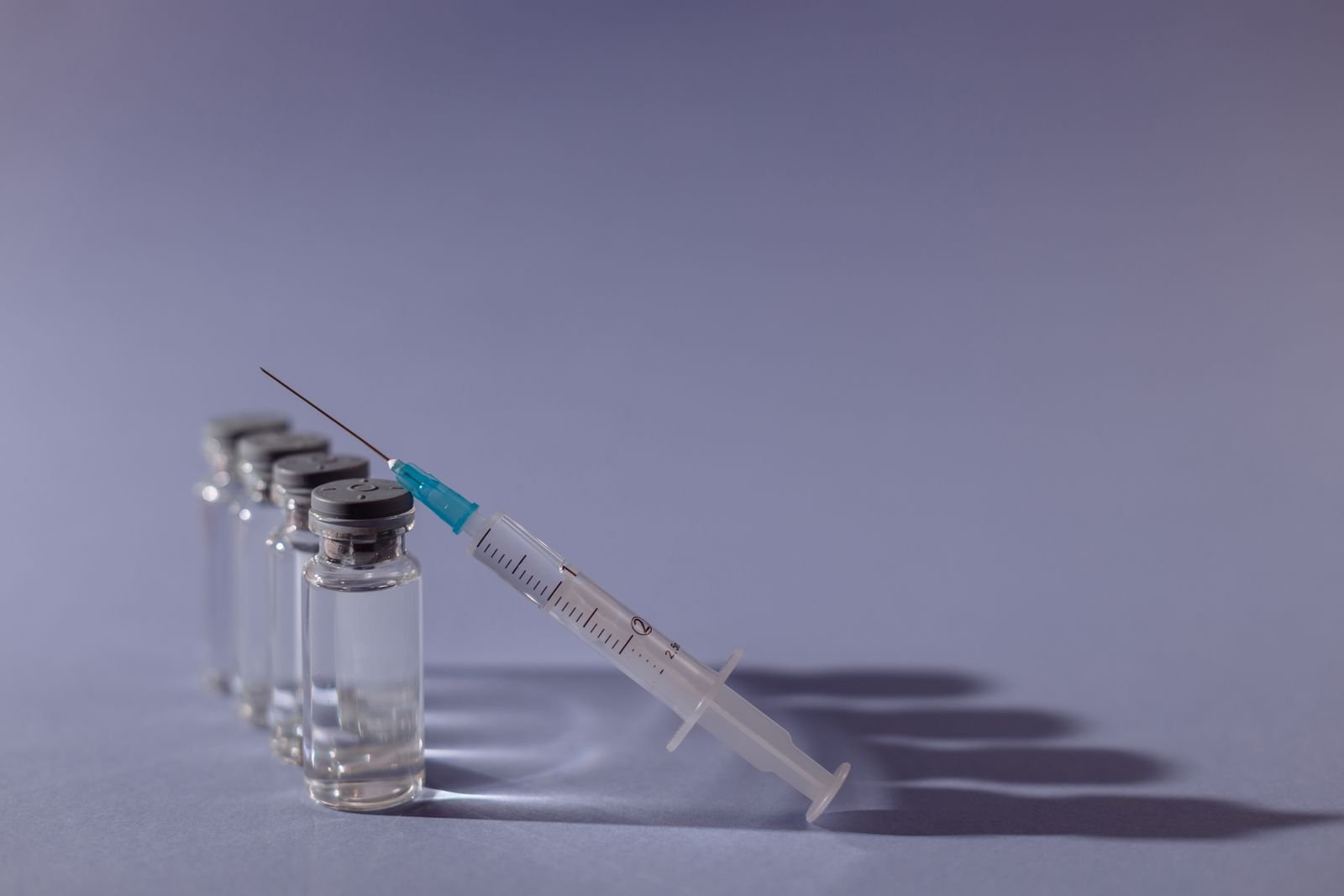
Testosterone injections deliver testosterone directly into the body, typically into muscle (or sometimes subcutaneously), usually every one to two weeks depending on the type. The testosterone is released over that period.
Testosterone cream or gel is applied to the skin daily, where the testosterone is absorbed through the skin into the bloodstream. They provide a steadier daily dose.
The fundamental difference is the delivery pattern: injections give a larger dose periodically, while topicals give a smaller dose daily. This difference drives most of their respective pros and cons.
Testosterone Injections: Pros and Cons
Pros:
- Less frequent application: once every week or two rather than daily, which many men find convenient.
- Reliable absorption: the full dose enters your system, without the absorption variability of topicals.
- Often more cost-effective: injections are frequently cheaper.
- Effective at raising levels, generally very effective at achieving target testosterone levels.
Cons:
- Requires injecting yourself (or getting injected), which some men dislike, though many adapt easily.
- Hormone level fluctuations: levels can peak after the injection and trough before the next one, sometimes causing a “roller coaster” of mood and energy across the cycle (more pronounced with longer intervals; more frequent, smaller injections reduce this).
- Potential for higher peaks, which can affect side effects like elevated red blood cell count.
Testosterone Creams/Gels: Pros and Cons
Pros:
- Steadier hormone levels: daily application mimics the body’s more natural steady state, avoiding the peaks and troughs of injections. This can mean more stable mood and energy.
- No needles: appealing for the needle-averse.
- Easy to apply: simply applied to the skin.
- Easier to adjust or stop, since it’s daily and short-acting, changes take effect quickly.
Cons:
- Daily application required: less convenient than a weekly or biweekly injection, and easy to forget.
- Absorption varies: skin absorption differs between individuals and can be inconsistent.
- Transference risk (important): the testosterone on your skin can transfer to others through skin contact before it’s absorbed. This is a real concern, transference to a partner or especially children can cause harm, so you must let it dry and avoid skin contact at the application site. This is a real drawback for men with young children.
- Often more expensive than injections.
- Skin irritation at the application site in some men.
How to Think About the Choice
Neither is universally “better”, the right choice depends on your priorities and circumstances:
- If you value convenience and cost, and don’t mind injecting, injections may suit you.
- If you value stable hormone levels and prefer no needles, and can manage the transference precautions, a cream/gel may suit you.
- The transference risk makes topicals a bigger consideration for men living with young children or a pregnant partner.
- The level fluctuations of injections bother some men more than others, and can be reduced with more frequent, smaller injections.
Your doctor will weigh these alongside your health profile, lifestyle, and how you respond, and the choice can be adjusted if one form doesn’t suit you. There are also other forms (patches, pellets) with their own trade-offs. What matters most is proper diagnosis, appropriate use, and ongoing monitoring, whichever form you use (see testosterone replacement therapy explained).
Frequently Asked Questions
Is testosterone cream or injection better?
Neither is universally better, it depends on your priorities. Injections offer convenience (less frequent) and lower cost but can cause hormone level fluctuations. Creams/gels offer steadier levels and no needles but require daily application, carry a transference risk, and often cost more.
What are the downsides of testosterone injections?
Requiring self-injection, potential hormone level “roller coaster” (peaks and troughs, reducible with more frequent dosing), and higher peaks that can affect side effects like elevated red blood cell count. Many men adapt to injecting easily, though.
What is the transference risk with testosterone gel?
Testosterone on your skin can transfer to others through contact before it’s absorbed, potentially harming a partner or especially children. You must let it dry and avoid contact at the application site. This makes gels a bigger consideration for men with young children.
Which testosterone form gives more stable levels?
Creams and gels generally give steadier levels because daily application mimics the body’s natural steady state, avoiding the peaks and troughs that periodic injections can cause. This can mean more stable mood and energy.
How do I choose between testosterone cream and injections?
It’s a decision to make with your doctor based on your priorities (convenience, cost, needle aversion, stable levels), your circumstances (like young children, given transference risk), and how you respond. The choice can be adjusted if one form doesn’t suit you.
The Bottom Line
Testosterone creams and injections are the two most common TRT forms, and they deliver testosterone differently: injections give a larger dose every week or two, while creams give a smaller dose daily. This drives their trade-offs. Injections are convenient and cost-effective but can cause hormone level fluctuations; creams give steadier levels with no needles but require daily application, carry a real transference risk (a real concern with young children), and often cost more. Neither is universally better, the right choice depends on your priorities and circumstances, and it’s a decision to make with a doctor as part of properly diagnosed, monitored treatment. Whichever form, proper diagnosis and ongoing monitoring matter far more than the delivery method, and for many men, addressing reversible causes of low testosterone first is the better starting point.
This article is for informational purposes only and does not constitute medical advice. TRT decisions, including the form used, should be made with a qualified healthcare professional.
Sources
- Shoskes JJ et al. Pharmacology of testosterone replacement therapy preparations. Transl Androl Urol, 2016
- Skinner JW et al. Muscular responses to testosterone replacement vary by administration route: a systematic review and meta-analysis. J Cachexia Sarcopenia Muscle, 2018
- Lincoff AM et al. Cardiovascular Safety of Testosterone-Replacement Therapy. N Engl J Med, 2023