
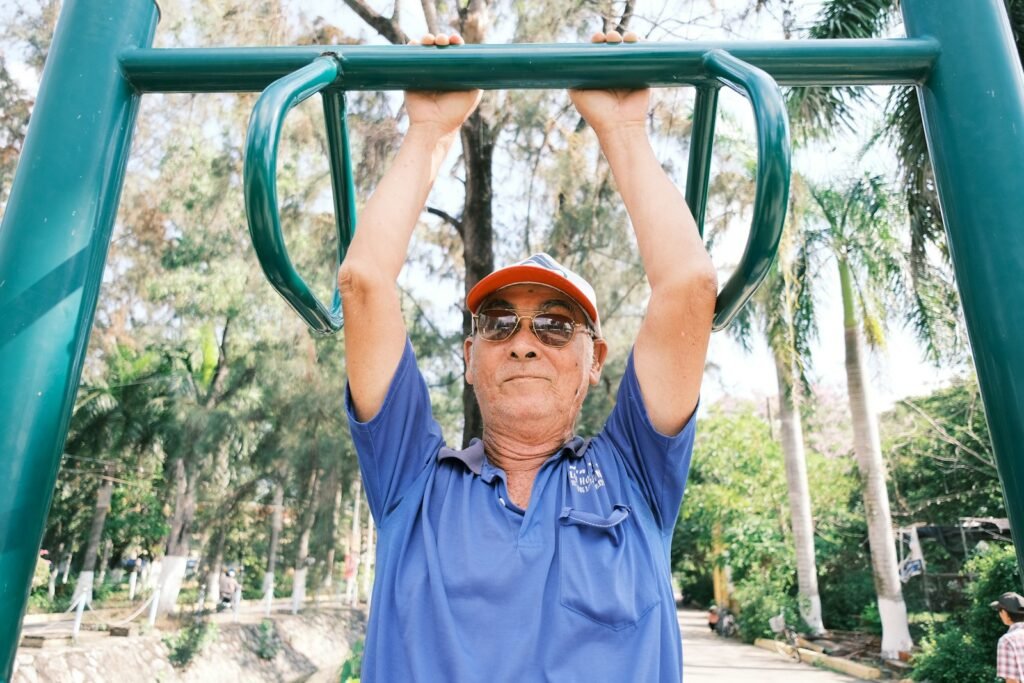
Most guys think about strength training in phases. Bulk up in your 20s, “tone up” before a wedding, maybe get serious again after a scary doctor’s visit in your 40s. That’s the wrong way to think about it. Lifelong strength training isn’t a phase or a project with an end date. It’s more like brushing your teeth: a permanent maintenance job that gets more important, not less, as you age. This guide is the big-picture version. It’s the “why this matters for the next 40 years” piece that sits above the specific how-tos on this site. If you want the exact program for your 40s, the best lifts, or how progressive overload works, we’ll point you there. Here, we’re covering how to think about lifelong strength.
Why Lifelong Strength Training Matters More Than Any Single Program
Here’s the uncomfortable truth: your body starts losing muscle whether you’ve noticed or not. Research summarized by Harvard Health puts the number at roughly 3 to 5 percent of muscle mass lost per decade after age 30 if you do nothing about it. That rate tends to accelerate after 60. This isn’t a scare tactic. It’s just physiology. Muscle protein synthesis slows and hormone levels shift. The nerves that activate muscle fibers become less efficient. Unless you actively push back against it with resistance training, the slide is the default setting.
The reason lifelong strength training matters more than whatever specific program you’re following this month is simple. Consistency over years is what changes your trajectory. A great 12-week program does very little for you at 55 if you stopped lifting at 35. A mediocre program you stick with for 20 years will beat it every time. This is the frame that should sit underneath everything else. The specific lifts, the split, the rep ranges, those are details. The habit is the thing.
What Happens If You Skip It: The Slow Leak of Sarcopenia
The clinical name for age-related muscle loss is sarcopenia, and it’s more than a cosmetic issue. According to the Cleveland Clinic, sarcopenia involves progressive loss of muscle mass, strength, and function. It’s linked to falls, fractures, loss of independence, and higher rates of hospitalization in older adults. It doesn’t announce itself. You don’t wake up one day noticeably weaker. It happens gradually. Most men only notice when a task that used to be easy suddenly isn’t: carrying both bags of groceries in one trip, getting up off the floor, or climbing a flight of stairs.
Alongside muscle, you’re also losing bone density over time, and the two are connected. Mechanical loading from resistance training is one of the few things that reliably signals your body to maintain bone. The Mayo Clinic notes that weight-bearing and resistance exercise help maintain bone density and can slow the progression of osteoporosis. That matters for men too, not just postmenopausal women, though it gets talked about less. If you want the deep dive on the muscle-loss side specifically, we cover that in detail in our guide to fighting age-related muscle loss.
The Research Case for Lifelong Strength Training
This isn’t just “lifting is good for you” wellness talk. The data on lifelong strength training is specific, and frankly better than most people realize.
What the Mortality Data Shows
A large cohort study published in the International Journal of Epidemiology looked at older adults who did regular weight training. It found they had a meaningfully lower risk of all-cause mortality, cardiovascular disease death, and cancer death compared to those who didn’t lift. That held true even after accounting for other exercise habits. Separate meta-analyses pooling multiple studies have found the same pattern: resistance training is associated with reduced risk of dying from any cause, independent of cardio.
Then there’s the “sweet spot” research out of the Harvard T.H. Chan School of Public Health. It found that somewhere around one to two hours of strength training per week was associated with the greatest longevity benefit. More wasn’t necessarily better, and even modest, consistent amounts moved the needle. That’s an encouraging finding for anyone who’s told themselves they don’t have time to train seriously. You don’t need to live in the gym. You need to show up reliably.
The Case Beyond Mortality
Beyond lifespan, there’s healthspan, the years you spend capable of doing things. Strength training improves insulin sensitivity and supports healthy blood pressure. It protects joints by strengthening the muscles around them. According to a systematic review and meta-analysis of randomized controlled trials. It also meaningfully reduces the rate of falls in older adults. Falls are one of the leading causes of injury-related death in men over 65. A stronger lower body and better balance work aren’t vanity. They’re insurance.
The Principles That Make Strength Training Last a Lifetime
Programs come and go, but a handful of principles build lifelong strength across every decade of a man’s life. If you only remember three things from this article, make it these.
Progressive overload is non-negotiable. Your muscles adapt to a demand, and if the demand never increases, neither does your strength. This doesn’t mean adding weight every single week forever: that’s unrealistic past a certain point. But over months and years you need to be doing more work than you used to. That can mean more weight, more reps, more sets, or better technique that lets you push closer to your real capacity. We break this down in detail in our full explainer on progressive overload. The short version: if training feels exactly the same as it did a year ago, you’ve probably stalled.
Related: How to Lose Weight Quickly and Safely: A Realistic Guide
Consistency beats intensity. A brutal workout you do twice before quitting does nothing. A moderate workout you repeat twice a week for a decade reshapes your body. The Harvard longevity data above backs this up directly, modest, sustained training won out over sporadic, extreme efforts. Build a program you can keep doing when you’re busy, traveling, or just not feeling it.
Recovery is where the adaptation happens. Training breaks muscle down. Recovery, sleep, protein, and time between hard sessions, is when it rebuilds stronger. Skip recovery and you’re just accumulating fatigue and injury risk without the upside.
Protein intake matters more as you age. The International Society of Sports Nutrition’s position stand on protein and exercise notes that adults doing resistance training generally need more protein than sedentary people. This supports muscle repair and growth. It becomes more important with age, since muscle grows somewhat more resistant to that signal over time, a phenomenon researchers call anabolic resistance. Getting enough protein, spread across your meals, is part of the program, not a separate diet issue.
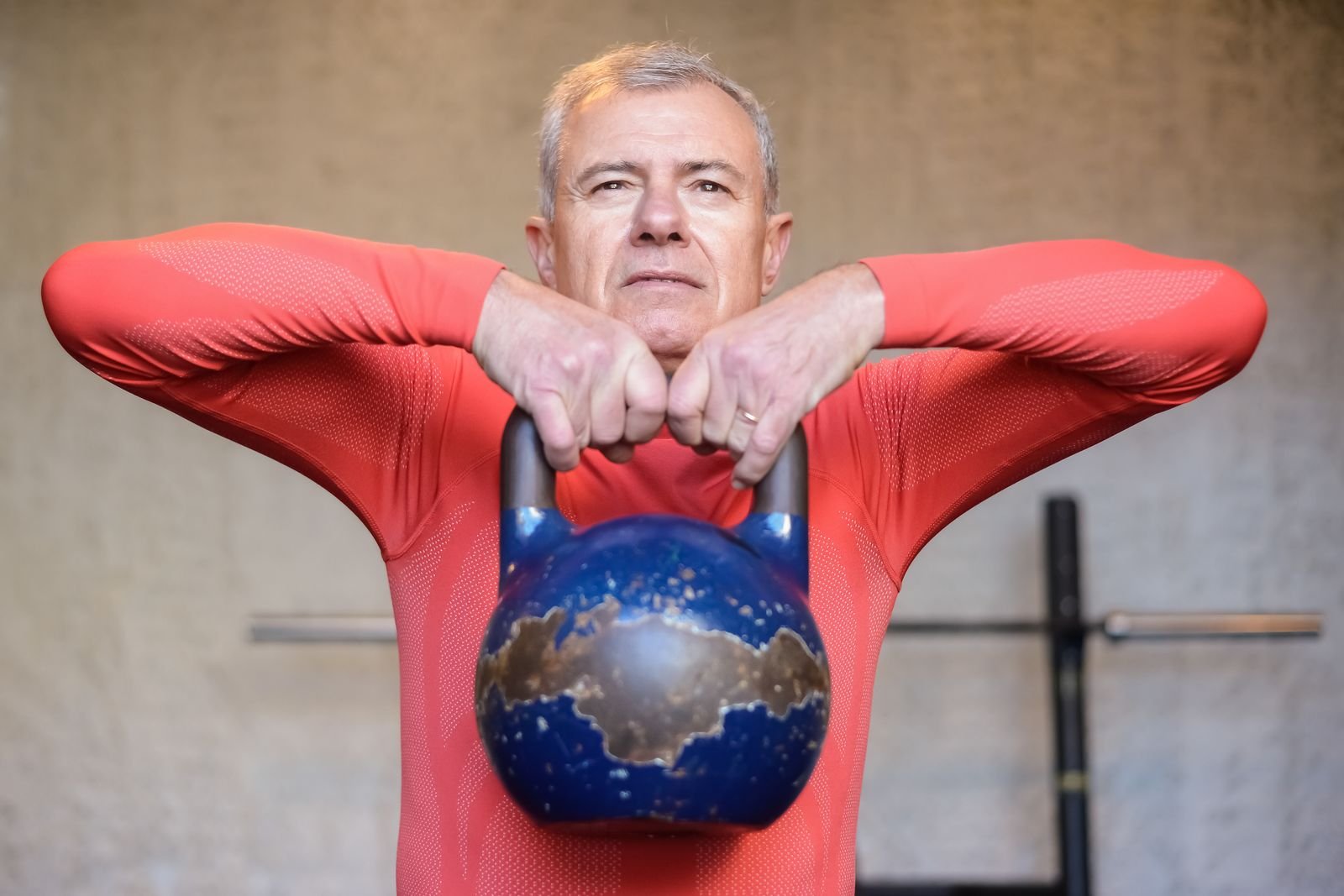
How Your Training Should Change by Decade
| Decade | What changes | Training focus |
|---|---|---|
| 20s and 30s | You can push harder and recover faster; mistakes are usually recoverable | Build a base of strength and technique on the fundamental movements, and build the habit |
| 40s | Recovery takes longer; old injuries and nagging joints show up | Training smart starts to matter as much as training hard |
| 50s and 60s | Sarcopenia risk climbs meaningfully if training has lapsed | Bone density and fall prevention become priorities alongside pure strength |
| 70s and beyond | Independence becomes the return on investment | Functional strength: rising from a chair, climbing stairs, carrying groceries |
You don’t need a totally different approach every ten years. The core lifts and principles stay remarkably stable, but your emphasis and recovery needs do shift.
Your 20s and 30s
This is when you can afford to push harder and recover faster. Build a solid base of strength and technique on the fundamental movements. Mistakes and overtraining here are usually recoverable. Use this decade to build the habit that will carry you through the next five.
Your 40s
Recovery starts taking a bit longer, and old injuries or nagging joints tend to show up. This is where training smart starts to matter as much as training hard. We’ve written a full guide specifically on this stretch, see how to build muscle after 40 if you’re in this window right now.
Your 50s and 60s
Bone density and fall prevention become bigger priorities alongside pure strength. This is also when sarcopenia risk climbs meaningfully if training has lapsed. The National Institute on Aging notes that strength training remains one of the most effective tools available at this stage for maintaining independence. It’s never too late to start, studies on previously sedentary older adults beginning resistance training show real strength and muscle gains even when starting later in life.
70s and Beyond
The goal shifts further toward functional strength, the specific ability to get up from a chair, climb stairs, and carry your own groceries without help. The exercises look similar to what you were doing decades earlier, just dosed appropriately. The return on investment for staying strong here, in terms of independence, is arguably the highest of any decade.
The Lifts and Methods Worth Building Around
You don’t need a complicated program to get the vast majority of the benefit. A small number of compound, multi-joint movements, squats, hinges (deadlift variations), presses, and pulls, cover most of what your body needs across a lifetime. That’s because they train multiple muscle groups together the way you use your body in daily life. We go into specifics, including regressions and swaps for bad knees or shoulders, in our guide to the best compound lifts for men. Layer in some direct grip and core work, and you’ve covered the movements that matter most for both performance and day-to-day function as you age.
What you don’t need is novelty for its own sake. Chasing a new workout trend every few months usually works against the progressive overload principle above. You never stay on any one movement long enough to track and drive progress on it. Pick a small set of lifts, get good at them, and make the program boring in the best sense of the word.
Recovery Is Part of the Program, Not a Break From It
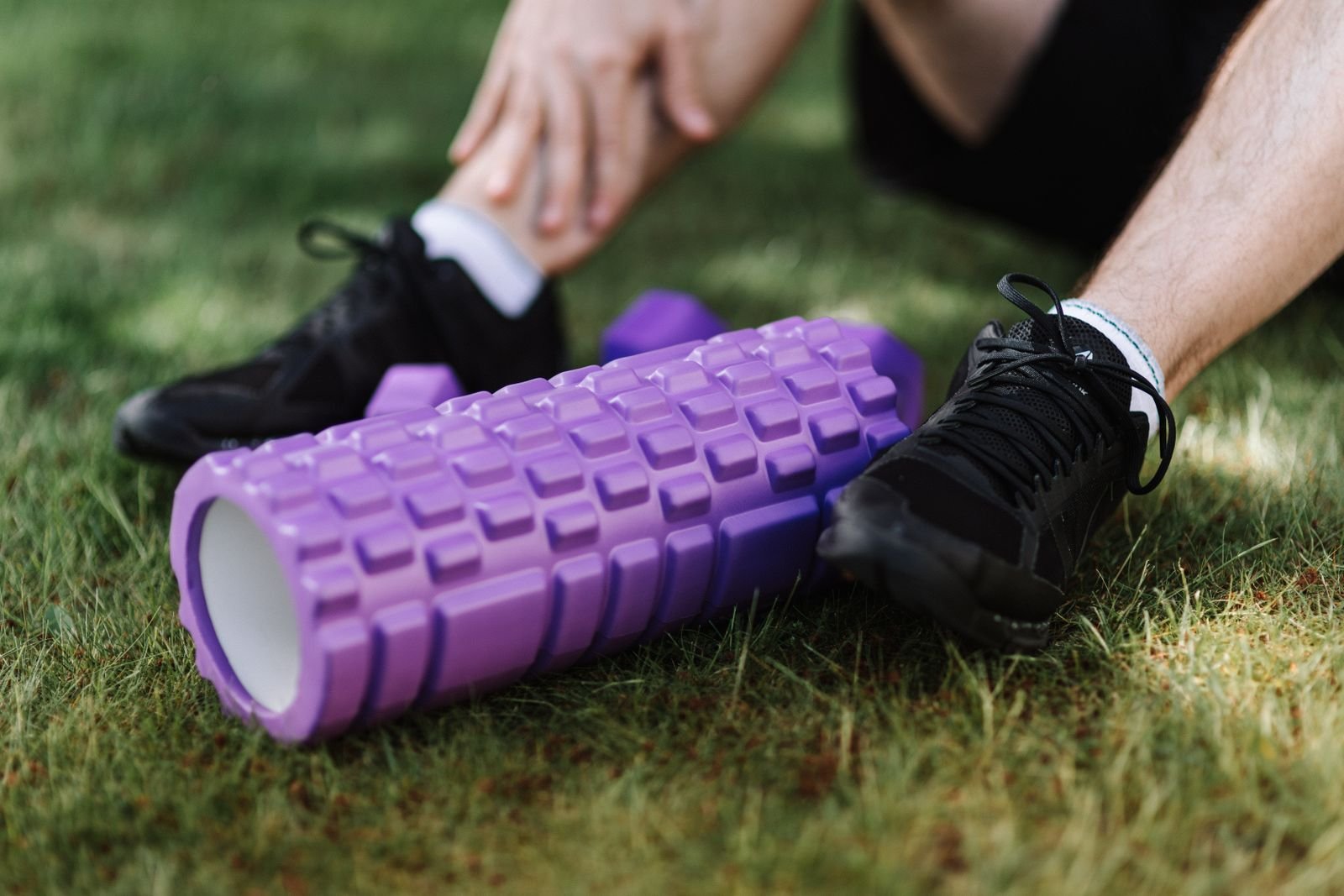
Men in their 20s can often get away with poor recovery habits and still make progress. That stops working as you age. Sleep is the biggest lever. Most of the hormonal environment that supports muscle repair and growth happens during deep sleep, and chronically shortchanging it undercuts everything else you’re doing in the gym. After that: give major muscle groups roughly 48 hours before hitting them hard again. Don’t add volume and intensity increases in the same week. Treat a deload (a planned lighter week) every several weeks as a tool, not a sign of weakness, and one of the simplest ways through a strength plateau. The guys who train successfully into their 60s and 70s are, almost without exception, the ones who took recovery as seriously as the lifting itself.
Frequently Asked Questions
What is lifelong strength training, really?
It’s the practice of treating resistance training as a permanent part of your life, not a temporary program with a start and end date. The specific exercises and intensity change over the decades, but the commitment to consistent training doesn’t stop.
Is it too late to start strength training in my 50s or 60s?
No. Research on previously untrained older adults consistently shows meaningful strength and muscle gains from starting resistance training later in life. The National Institute on Aging specifically encourages starting at any age, with appropriate progression and, if you have existing health conditions, medical guidance first.
How many days a week do I actually need to train?
Two to three sessions per week hitting the major muscle groups is enough for most men to see real, lasting benefit. The longevity research above found the biggest gains around one to two hours of total strength training per week, not marathon daily sessions.
Do I need to lift heavy to get the longevity and bone benefits?
You need to lift at a challenging enough intensity to create a real training stimulus, but “heavy” is relative to you. Progressive overload over time matters more than any specific weight on the bar on day one.
What’s the biggest mistake men make with long-term strength training?
Treating it as something you do intensely for a few months and then abandon, rather than something you scale up or down but never fully stop. The second-biggest mistake is neglecting recovery and protein as they age, then wondering why progress stalls or injuries pile up.
Can strength training help with more than just muscle and bones?
Yes. It’s associated with better insulin sensitivity, improved balance and fall prevention, and better mood. Per the mortality research cited above, it’s also linked to lower long-term risk of dying from cardiovascular disease and cancer.
The Bottom Line
Lifelong strength training isn’t about chasing a personal best or looking a certain way for a summer. It’s a decades-long practice that fights the muscle and bone loss your body will otherwise default into. The research is unusually clear that it lowers your risk of dying early. It keeps you independent longer, and it protects you from the falls and fractures that derail so many older men. The principles that make it work don’t change much: progressive overload, consistency over any single brutal session, real recovery, and enough protein to support the rebuild. What does change is emphasis by decade. That’s where our other guides on this site come in, on compound lifts, progressive overload, building muscle after 40, and fighting sarcopenia. Use this article as the map, and use those for the turn-by-turn directions.
This article is for informational purposes only and does not constitute medical advice. If you have an existing injury or a chronic condition, or haven’t exercised in a long time, talk to a qualified healthcare professional first. This is especially true before starting or significantly changing a strength training program.
Sources
- Harvard T.H. Chan School of Public Health: Moderate amount of strength training each week could boost longevity
- Weight training and risk of all-cause, cardiovascular disease, and cancer mortality among older adults (International Journal of Epidemiology, via PMC)
- National Institute on Aging: How can strength training build healthier bodies as we age?
- Cleveland Clinic: Sarcopenia (Muscle Loss)
- Mayo Clinic: Exercising with osteoporosis
- Strength Training to Prevent Falls in Older Adults: A Systematic Review with Meta-Analysis (PMC)
- Harvard Health: Preserve your muscle mass
- International Society of Sports Nutrition Position Stand: Protein and Exercise