
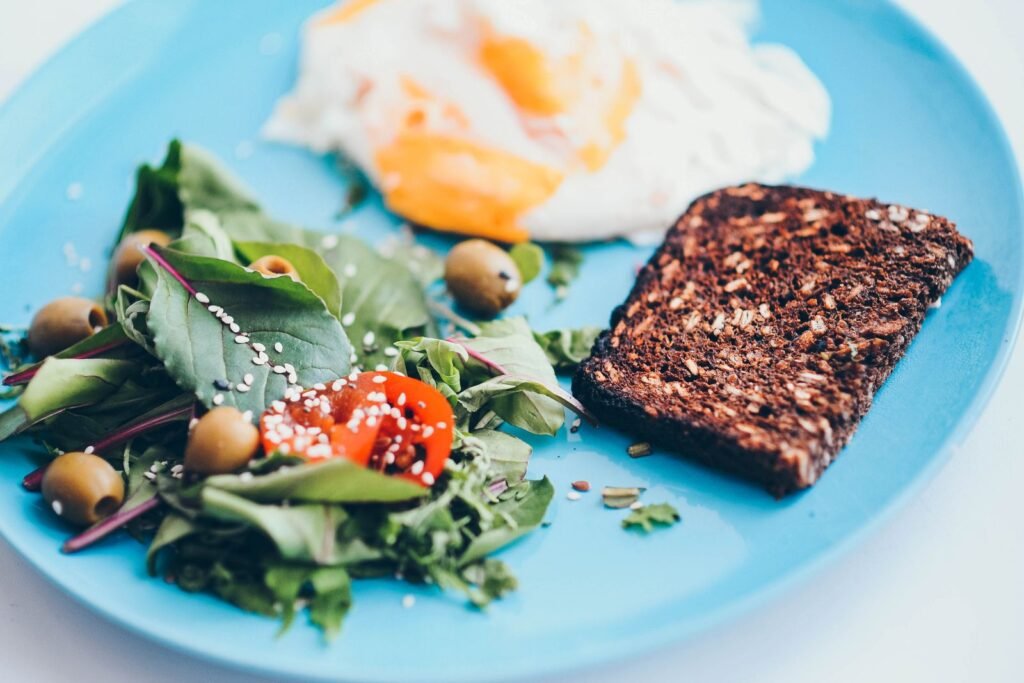
What you eat before training can affect your energy, performance, and how good your workout feels. Eat the wrong thing (or too much, too close to training) and you’ll feel sluggish or uncomfortable; eat well and you’ll have the energy to train hard. But there’s also a lot of overcomplication around pre-workout nutrition, so this guide cuts to what matters: the best foods to eat before a workout, when to eat them, and whether you even need to.
Do You Even Need to Eat Before a Workout?
First, a sensible starting point. Whether you need to eat before training depends on the person and situation:
- For many workouts, eating beforehand isn’t strictly necessary, especially shorter or lower-intensity sessions, or if you’ve eaten reasonably within the past few hours. Your body has energy stores to draw on.
- Some people prefer training fasted (e.g. early morning before eating) and do fine. This is a personal preference and works for many, especially for lighter sessions.
- But eating appropriately before training can improve energy and performance, particularly for longer, harder, or strength-focused sessions, or if you’d otherwise be training hungry or low on energy.
So it’s not mandatory for everyone, but a well-timed pre-workout meal or snack can help you train harder and feel better, especially for demanding sessions. Do what works for you.
What Matters: Carbs and Protein
For a pre-workout meal, the two most useful components are:
Carbohydrates (for energy). Carbs are your body’s readily available energy source, and having some before training provides fuel for your workout, helping with energy and performance, especially for harder or longer sessions (see calorie deficit explained for the bigger picture). This is the main pre-workout priority for energy.
Protein (for muscle support). Including some protein before training provides amino acids to support your muscles, and since you want protein spread across your day anyway, a pre-workout protein dose contributes to that (see how much protein men need and protein absorption per meal). Protein before training is beneficial for muscle building and recovery.
Go lighter on fat and fibre right before training, high-fat and high-fibre foods digest slowly and can cause discomfort if eaten too close to a workout. Save the heavy, fatty, or very high-fibre meals for other times.
So a good pre-workout meal is primarily carbs plus some protein, lower in fat and fibre, especially the closer to training you eat.
The Best Pre-Workout Foods
Practical options depending on timing:
A larger meal (2 to 3+ hours before)
If you have a couple of hours before training, a balanced meal digests fully and fuels you well:
- Chicken or fish with rice and vegetables
- Eggs with oats or toast
- A balanced meal with protein, carbs, and some vegetables
With this much time, you can eat a normal balanced meal (see best diet for men over 40).
A smaller snack (30 to 90 minutes before)
Closer to training, go smaller and lighter (easier to digest):
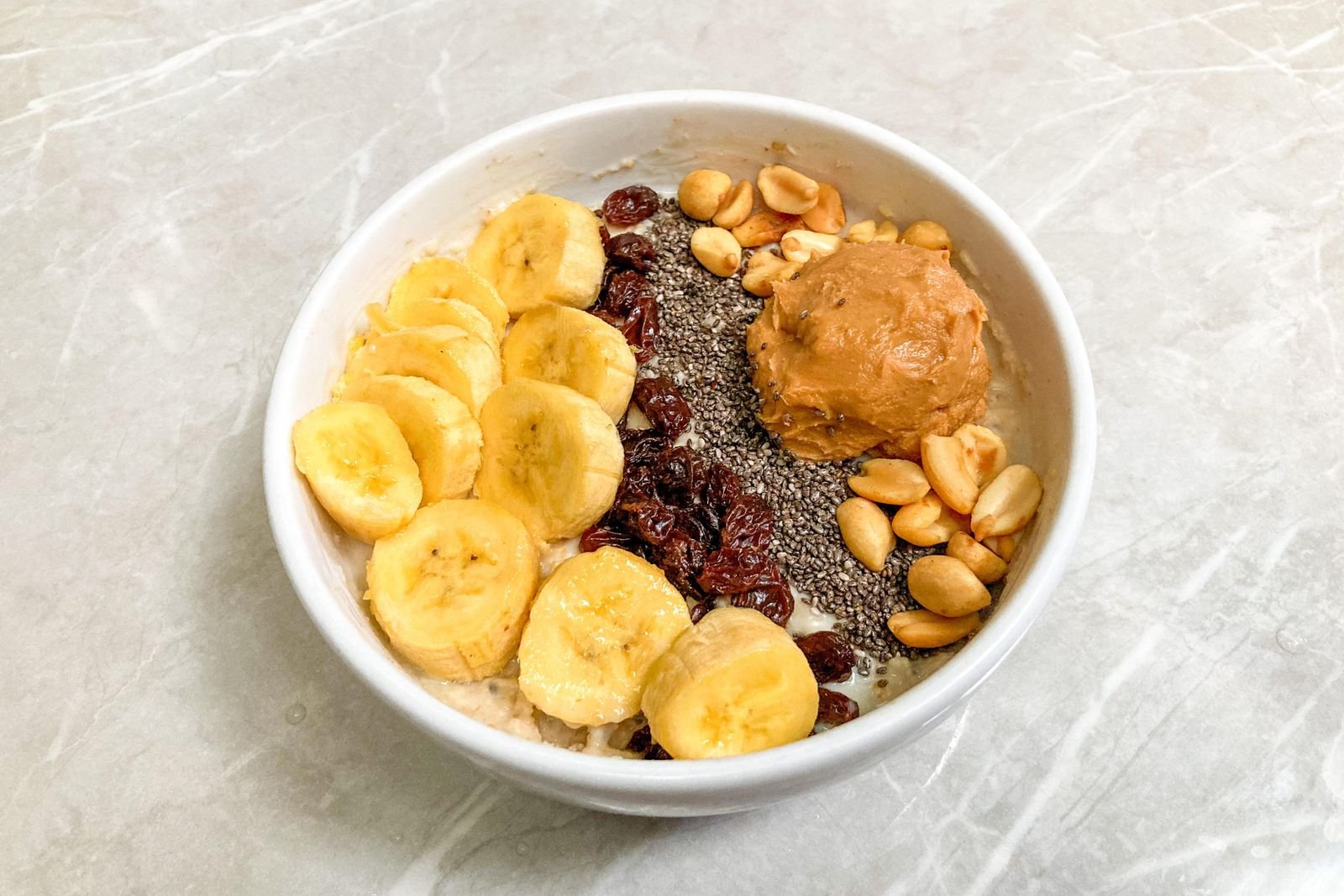
- A banana (or other fruit) with a bit of protein
- Greek yogurt with fruit (see high-protein breakfast for men)
- A protein shake with a piece of fruit (see whey vs plant protein)
- Oats with protein
- A rice cake or toast with a little protein
The idea is quick, easily-digested carbs plus some protein, without a heavy load in your stomach.
Very close to training (under 30 minutes)
If you’re eating right before, keep it small and simple, like a banana or a small amount of quick carbs, so you have some fuel without stomach discomfort.
Timing: How Long Before?
The general principle: the closer to training you eat, the smaller and lighter the food should be (to allow digestion and avoid discomfort). A rough guide:
- 2 to 3+ hours before: a normal balanced meal is fine
- 30 to 90 minutes before: a smaller, lighter snack (carbs plus some protein)
- Under 30 minutes: something small and quick-digesting
Everyone’s digestion differs, some people can eat closer to training than others without discomfort. Experiment to find what sits well for you. If you feel sluggish or uncomfortable, you likely ate too much too close; if you’re running out of energy mid-workout, you may need to eat a bit more or closer.
Keeping It Simple
Don’t overcomplicate pre-workout nutrition. The essentials:
- Eat some carbs (and ideally a bit of protein) before harder or longer sessions for energy and performance.
- Go lighter and smaller the closer to training you eat: favouring easy-to-digest foods.
- Avoid heavy, fatty, or very high-fibre meals right before training.
- Do what makes you feel good and perform well, if you train fine fasted or after a light snack, that’s okay.
- Remember total daily nutrition matters most (see how much protein men need and calorie deficit explained), pre-workout food is a minor optimisation on top of your overall diet, not the main event.
You don’t need fancy pre-workout supplements or elaborate timing, some simple carbs and protein at a sensible time is all most men need to fuel a good workout.
Frequently Asked Questions
What should I eat before a workout?
Primarily carbohydrates (for energy) plus some protein (for muscle support), lower in fat and fibre (which digest slowly). Options range from a balanced meal (2 to 3+ hours before) to a lighter snack like a banana with protein or a protein shake (30 to 90 minutes before).
Do I need to eat before working out?
Not always. For shorter or lower-intensity sessions, or if you’ve eaten within a few hours, it isn’t strictly necessary, and some people train fasted fine. But eating appropriately can improve energy and performance for longer, harder, or strength sessions. Do what works for you.
How long before a workout should I eat?
The closer to training, the smaller and lighter the food. A normal balanced meal is fine 2 to 3+ hours before; a lighter snack (carbs plus some protein) works 30 to 90 minutes before; and something small and quick-digesting under 30 minutes. Experiment to find what sits well.
What are good pre-workout snacks?
A banana with a bit of protein, Greek yogurt with fruit, a protein shake with fruit, oats with protein, or a rice cake with a little protein. The idea is quick, easily-digested carbs plus some protein, without a heavy stomach load close to training.
Can I work out on an empty stomach?
Yes, many people train fasted (like early morning) and do fine, especially for lighter sessions. It’s a personal preference. For longer, harder, or strength sessions, though, some pre-workout fuel can improve energy and performance. Do what makes you feel and perform best.
The Bottom Line
What you eat before a workout can affect your energy and performance, but it doesn’t need to be complicated. First, eating beforehand isn’t mandatory for everyone, for shorter or lighter sessions, or if you’ve eaten within a few hours, it’s optional, and some people train fasted fine, but a well-timed pre-workout meal or snack helps for longer, harder, or strength-focused sessions. The two components that matter are carbohydrates (for energy) and some protein (for muscle support), while going lighter on fat and fibre, especially the closer to training you eat.
Timing follows a simple principle: a normal balanced meal is fine 2 to 3+ hours before, a lighter snack (like a banana with protein) works 30 to 90 minutes before, and something small under 30 minutes. Experiment to find what sits well for you, and remember pre-workout food is a minor optimisation on top of your overall daily nutrition, which matters most. Some simple carbs and protein at a sensible time is all most men need to fuel a good workout.
This article is for informational purposes only and does not constitute medical advice. Consult a qualified healthcare professional or registered dietitian for personalised nutrition guidance.
Sources
- Kerksick CM et al. International society of sports nutrition position stand: nutrient timing. J Int Soc Sports Nutr, 2017
- Jäger R et al. International Society of Sports Nutrition Position Stand: protein and exercise. J Int Soc Sports Nutr, 2017
- NIH Office of Dietary Supplements, Dietary Supplements for Exercise and Athletic Performance