

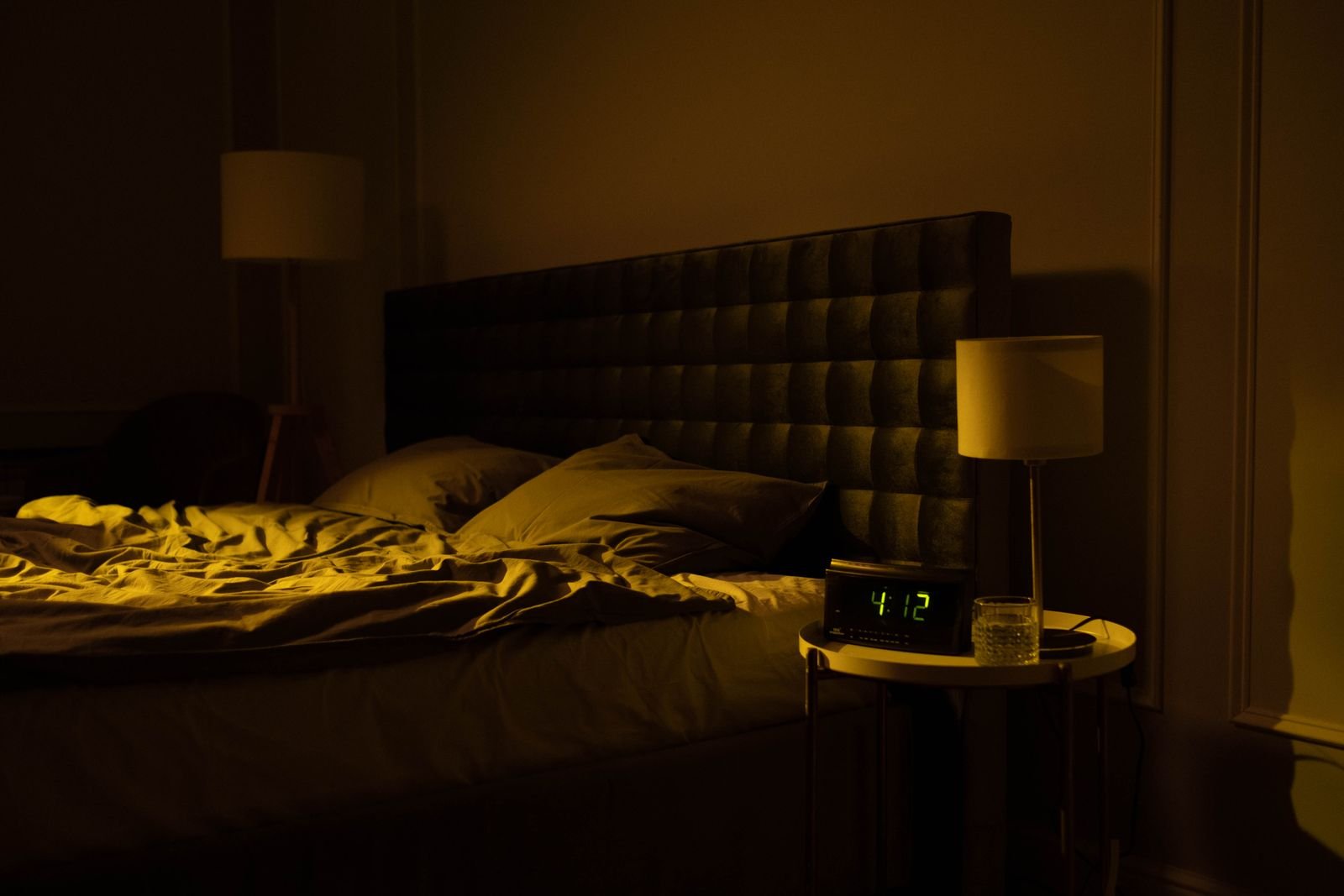
Few sleep frustrations are as common, or as maddening, as waking up in the middle of the night, often around 3am, and struggling to fall back asleep. You fall asleep fine, then jolt awake in the small hours, mind racing or just wide awake, watching the clock. If this is a regular pattern for you, there are real, identifiable reasons, and most of them are addressable. This guide covers why men wake up at 3am and what helps.
First: Some Night Waking Is Normal
A reassuring starting point. Briefly waking during the night is normal, everyone surfaces between sleep cycles, and you often don’t even remember it. The issue isn’t waking per se; it’s waking fully and struggling to fall back asleep, especially as a regular pattern. So don’t panic about the occasional stir. What we’re addressing is the frustrating, recurring “wide awake at 3am” experience.
Why does it so often happen in the early hours? By the second half of the night, you’re in lighter sleep stages and more easily roused, and various factors (below) tend to surface then. Let’s look at the real causes.
The Common Causes
1. Stress and anxiety (very common)
This is one of the biggest culprits. Chronic stress and anxiety keep your mind and nervous system activated, and elevated cortisol can wake you in the early hours (see chronic stress symptoms and anxiety symptoms in men). Often you wake and immediately your mind starts racing with worries, which then keeps you awake. A “busy brain” at 3am is frequently a stress signal.
2. Blood sugar dips
If your blood sugar drops during the night, your body can release stress hormones (like cortisol and adrenaline) to raise it, and that can wake you. This is more likely if you eat a lot of refined carbs or sugar (causing blood sugar swings) or go to bed hungry (see sugar and men’s health). The 3am waking with a slightly wired feeling can sometimes be blood-sugar-driven.
3. Alcohol
Alcohol is a classic cause of middle-of-the-night waking. It may help you fall asleep initially, but as it metabolises, it disrupts the second half of your sleep, causing you to wake and struggle to return to deep sleep (see alcohol and belly fat). That evening drink is a common, overlooked reason for 3am wakings.
4. Needing to urinate (nocturia)
Waking to use the bathroom is a frequent cause, especially in men as they age (often related to the prostate) or from drinking fluids too close to bed (see frequent urination at night). Sometimes the bladder is what wakes you; sometimes you wake for another reason and simply notice the urge.
5. Sleep apnea
Sleep apnea repeatedly disrupts breathing during sleep, causing awakenings, sometimes with a gasp, sometimes not remembered. If you wake frequently, snore, or feel exhausted despite time in bed, sleep apnea should be ruled out (see sleep apnea symptoms in men).
6. Caffeine and stimulants
Caffeine consumed too late in the day, given its long half-life, can fragment your sleep and contribute to night waking, even if you fell asleep fine (see caffeine for men).
7. Room environment
A room that’s too warm, too bright, or noisy can rouse you in lighter sleep stages. Temperature especially matters (see how to increase deep sleep).
8. Age and hormonal changes
Sleep naturally becomes lighter and more fragmented with age, and hormonal shifts can play a role (see why men sleep worse after 30).
How to Fix 3am Waking
The approach depends on the cause, but these steps address the most common ones:
- Manage stress: the biggest lever for many. Address daytime stress and try a wind-down routine and stress-reduction practices to calm your nervous system before bed (see how to manage stress).
- Cut evening alcohol: one of the highest-impact single changes for middle-of-the-night waking.
- Stabilise blood sugar: reduce refined sugar and avoid big blood sugar swings; some people find a small balanced snack before bed helps if they wake hungry.
- Limit evening caffeine: avoid it after around 2pm given its long half-life.
- Taper evening fluids: reduce drinking in the 2 to 3 hours before bed to limit bathroom wakings (see frequent urination at night).
- Optimise your room: cool, dark, and quiet.
- Rule out sleep apnea, if you have the signs, get evaluated.
- Don’t clock-watch, if you wake, avoid checking the time and stressing; if you can’t fall back asleep after a while, get up and do something calm and dim rather than lying there frustrated.
If middle-of-the-night waking is frequent and disruptive despite addressing these, bring it up with a doctor (see how to increase deep sleep for the broader sleep-quality picture).
Frequently Asked Questions
Why do I wake up at 3am every night?
Common causes include stress and anxiety (often with a racing mind), blood sugar dips, alcohol disrupting the second half of sleep, needing to urinate, sleep apnea, late caffeine, and room environment. By the early hours you’re in lighter sleep and more easily roused.
Is waking up at night normal?
Briefly waking between sleep cycles is normal, and often not remembered. The problem is waking fully and struggling to fall back asleep as a regular pattern. Occasional stirring isn’t a concern; recurring “wide awake at 3am” has identifiable causes.
Why do I wake up at 3am with my mind racing?
This is often stress or anxiety, elevated cortisol and an activated nervous system can wake you in the early hours, and a racing mind full of worries then keeps you awake. It’s frequently a signal of chronic stress worth addressing.
Does alcohol cause waking up at night?
Yes. Alcohol may help you fall asleep initially but disrupts the second half of your sleep as it metabolises, causing you to wake and struggle to return to deep sleep. Evening alcohol is a common, overlooked cause of 3am waking.
How do I stop waking up in the middle of the night?
Manage stress, cut evening alcohol, stabilise blood sugar, limit late caffeine, taper evening fluids, keep your room cool and dark, and rule out sleep apnea. Avoid clock-watching, and if you can’t fall back asleep, get up and do something calm rather than lying there frustrated.
The Bottom Line on Waking Up at 3am
Waking up at 3am and struggling to fall back asleep is a common, fixable frustration, and while briefly waking between sleep cycles is normal, a recurring wide-awake pattern has identifiable causes. The most common are stress and anxiety (often with a racing mind), blood sugar dips, alcohol disrupting the second half of sleep, needing to urinate, and sleep apnea, along with late caffeine and a poor room environment. Address the likely culprits: manage stress, cut evening alcohol, stabilise blood sugar, limit late caffeine, taper evening fluids, optimise your room, and rule out sleep apnea if you have the signs. And don’t lie there clock-watching, that only adds stress. For most men, identifying and fixing the underlying cause resolves the 3am waking and restores unbroken sleep.
This article is for informational purposes only and does not constitute medical advice. Consult a qualified healthcare professional for persistent sleep problems.
Sources
- Morin CM et al. Insomnia disorder. Nat Rev Dis Primers, 2015
- Trauer JM et al. Cognitive Behavioral Therapy for Chronic Insomnia: A Systematic Review and Meta-analysis. Ann Intern Med, 2015
- Vgontzas AN et al. Chronic insomnia is associated with nyctohemeral activation of the hypothalamic-pituitary-adrenal axis: clinical implications. J Clin Endocrinol Metab, 2001