

Losing fat is one thing; losing fat while keeping your hard-earned muscle is the real goal for most men. Cut calories too aggressively and you’ll shed muscle along with fat, ending up “skinny fat” rather than lean and strong. Get it right, and you lose fat while preserving (or even building) muscle. The key is the size of your calorie deficit, combined with adequate protein and training. This guide explains how many calories to eat to lose fat without losing muscle.
Losing fat and gaining muscle at the same time, known as body recomposition, is most realistic for beginners and men returning to training.
The Foundation: A Moderate Calorie Deficit
Fat loss requires a calorie deficit, eating fewer calories than you burn (see calorie deficit explained). But the size of that deficit is crucial for preserving muscle:
- A moderate deficit preserves muscle. A modest calorie deficit lets you lose fat while giving your body enough energy and nutrients to hold onto muscle. This is the sweet spot.
- An aggressive deficit sacrifices muscle. A very large, aggressive calorie deficit causes faster weight loss, but a bigger share of that loss comes from muscle (and your body is more likely to break down muscle for energy). Crash dieting is a recipe for losing muscle.
So the first principle is: don’t cut too aggressively. A moderate deficit loses fat while protecting muscle; an extreme deficit loses weight fast but sacrifices muscle. Patience preserves muscle.
How Big Should the Deficit Be?
A practical guideline for losing fat while preserving muscle:
- Aim for a moderate deficit of roughly 20 to 25% below your maintenance calories, or in practical terms, a deficit that produces around 0.5 to 1% of your bodyweight lost per week. For most men, that’s roughly 1 to 2 pounds per week (leaner individuals should aim for the slower end).
- A common practical deficit is around 500 calories per day below maintenance, which produces roughly 1 pound of fat loss per week, a sustainable, muscle-preserving rate for many.
- The leaner you are, the slower you should go, when you have less fat to lose, a smaller deficit and slower loss better protect muscle. Very lean men aiming to get leaner should be especially moderate.
- Avoid deficits so large that you’re losing weight very rapidly: that’s where muscle loss accelerates.
To find your numbers, estimate your maintenance calories (there are calculators, or track your intake at stable weight), then subtract a moderate amount. Adjust based on your actual rate of loss, if you’re losing too fast (or feeling terrible), ease up.
When you reach your goal, raise calories back toward maintenance in steps rather than all at once (see reverse dieting).
The Two Other Essentials: Protein and Training
Calorie deficit size alone doesn’t preserve muscle, two other factors are equally essential:
1. Eat plenty of protein (critical)
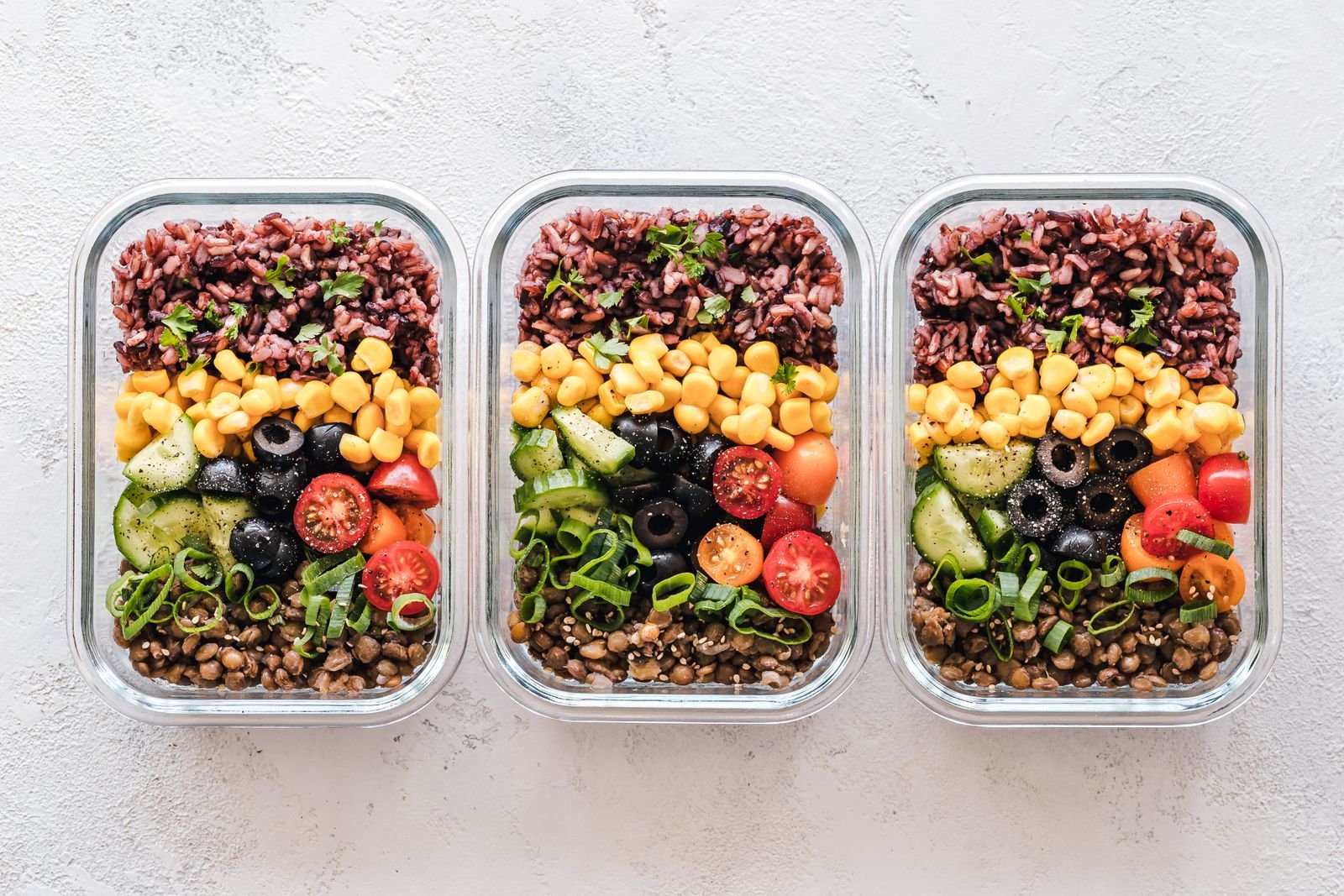
High protein intake is arguably the most important factor for preserving muscle during fat loss. Protein provides the building blocks to maintain muscle and signals your body to hold onto it while in a deficit. Aim for adequate protein, around 1 gram per pound of target bodyweight (see how much protein men need and high-protein foods for men). Keeping protein high while cutting calories is what protects your muscle. Don’t cut protein when you cut calories, keep it high.
2. Keep doing resistance training (critical)
You must give your body a reason to keep its muscle. Continuing to resistance train (lift weights) during a deficit signals your body to preserve muscle, without this stimulus, a deficit is more likely to cost you muscle (see building muscle after 40). Keep training hard and trying to maintain your strength; don’t drop your lifting or switch entirely to cardio when cutting. Maintaining your strength in the gym is a good sign you’re preserving muscle (see progressive overload explained).
So the three-part formula for losing fat while keeping muscle is: a moderate deficit + high protein + continued resistance training. All three together.
Supporting Factors
A few more things help preserve muscle during fat loss:
- Prioritise sleep: poor sleep during a deficit increases muscle loss and worsens results (see sleep and muscle growth).
- Manage stress: chronic stress and cortisol can worsen muscle preservation (see how to manage stress).
- Be patient: slower, moderate fat loss preserves muscle better than rapid crash dieting. This is a marathon, not a sprint.
- Track the right things: don’t judge purely by scale weight; track body composition, measurements, and strength (see body fat percentage), especially since you want to lose fat while keeping muscle, which the scale alone won’t show.
Frequently Asked Questions
How many calories should I eat to lose fat but keep muscle?
Aim for a moderate deficit of roughly 20 to 25% below maintenance, or about 500 calories per day below maintenance, producing around 0.5 to 1% of bodyweight lost per week (roughly 1 to 2 pounds). Avoid aggressive deficits, which sacrifice muscle. The leaner you are, the slower you should go.
Why do I lose muscle when dieting?
Usually because of too aggressive a calorie deficit (which makes your body break down more muscle), inadequate protein, or stopping resistance training. A moderate deficit, high protein, and continued lifting together preserve muscle while you lose fat.
How do I preserve muscle while losing fat?
Three essentials: a moderate calorie deficit (not aggressive), high protein intake (around 1g per pound of target bodyweight), and continued resistance training. Plus prioritising sleep, managing stress, and being patient with a slower rate of loss.
How fast should I lose fat to keep muscle?
Around 0.5 to 1% of your bodyweight per week (roughly 1 to 2 pounds for most men) is a muscle-preserving rate. The leaner you are, the slower you should aim. Faster than this, and muscle loss accelerates. Patience preserves muscle.
Should I cut protein when cutting calories?
No, keep protein high (around 1g per pound of target bodyweight) even as you reduce overall calories. High protein is arguably the most important factor for preserving muscle during fat loss. Cut calories from carbs and fats if needed, but keep protein up.
The Bottom Line on Losing Fat Without Losing Muscle
To lose fat without losing muscle, the size of your calorie deficit is crucial: a moderate deficit (roughly 20 to 25% below maintenance, or about 500 calories per day below, producing around 0.5 to 1% of bodyweight lost per week) lets you lose fat while preserving muscle, whereas an aggressive, crash-diet deficit sacrifices muscle along with fat.
But the deficit size alone isn’t enough, two other factors are equally essential: eating plenty of protein (around 1 gram per pound of target bodyweight, arguably the most important factor) and continuing resistance training (to signal your body to keep its muscle). This three-part formula, moderate deficit plus high protein plus continued lifting, is what lets you lose fat while keeping your hard-earned muscle. Support it with good sleep, stress management, and patience, and track your body composition and strength rather than just the scale. Do this, and you’ll get lean and strong, not skinny fat.
This article is for informational purposes only and does not constitute medical advice. Consult a qualified healthcare professional or registered dietitian for personalised guidance.
Sources
- Mettler S et al. Increased protein intake reduces lean body mass loss during weight loss in athletes. Med Sci Sports Exerc, 2010
- Cava E et al. Preserving Healthy Muscle during Weight Loss. Adv Nutr, 2017
- Garthe I et al. Effect of two different weight-loss rates on body composition and strength and power-related performance in elite athletes. Int J Sport Nutr Exerc Metab, 2011