
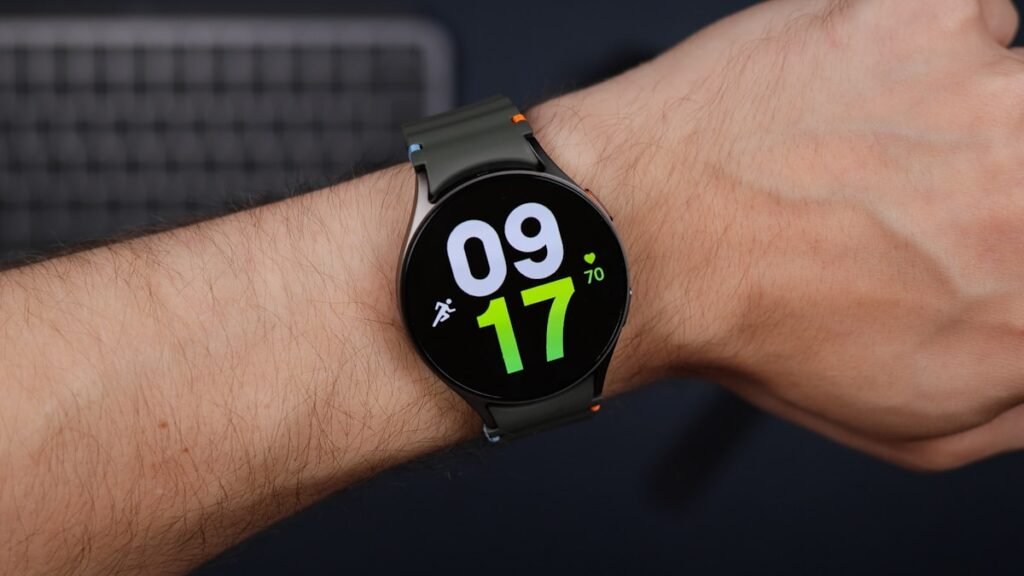
“Are sleep trackers accurate?” is one of the most common questions about wearables, and here’s what the evidence shows. Sleep trackers have gone mainstream, built into smartwatches, rings, and dedicated devices, promising to quantify your sleep stages, score your nights, and help you optimise your rest. For men interested in their health data, they’re compelling. But how accurate are they really, and are they actually useful? The answer is a mix of real value and real limitations. This guide gives you a clear-eyed look at what sleep trackers can and can’t do.
This guide breaks down what the evidence says, what’s worth doing, and what’s worth skipping when it comes to sleep trackers.
How Sleep Trackers Work
Consumer sleep trackers (in smartwatches, rings like Oura, bands like Whoop, and similar) estimate your sleep using sensors that measure:
- Movement (accelerometer), to detect when you’re still versus restless
- Heart rate and heart rate variability (see good HRV for men)
- Sometimes breathing, temperature, and blood oxygen
From these signals, algorithms estimate when you fell asleep, how long you slept, and, more ambitiously, your sleep stages (light, deep, REM). It’s important to understand this is estimation from indirect signals, not direct measurement of your brain activity, which matters for accuracy.
Are Sleep Trackers Accurate? What They Get Right
Sleep trackers have real strengths:
Overall sleep duration and timing. Trackers are generally reasonably accurate at detecting how long you slept and your sleep/wake timing. If you want to know whether you’re getting enough total sleep and keeping a consistent schedule, they do this fairly well.
Trends over time. This is where trackers are most valuable. Even if any single night’s data isn’t perfectly accurate, tracking trends over weeks and months reveals useful patterns, whether your sleep is improving or declining, how habits (alcohol, late meals, screen time, exercise) affect your rest. The trend data is more reliable and more useful than any single number.
Behaviour change. Simply tracking sleep makes many men prioritise it more, going to bed earlier, keeping a schedule, noticing what helps. This motivational effect has real value regardless of perfect accuracy.
Consistency and schedule. Trackers are good at showing whether you’re keeping a regular sleep schedule, which matters for sleep quality (see how to increase deep sleep).
What They Get Wrong
Now the limitations:
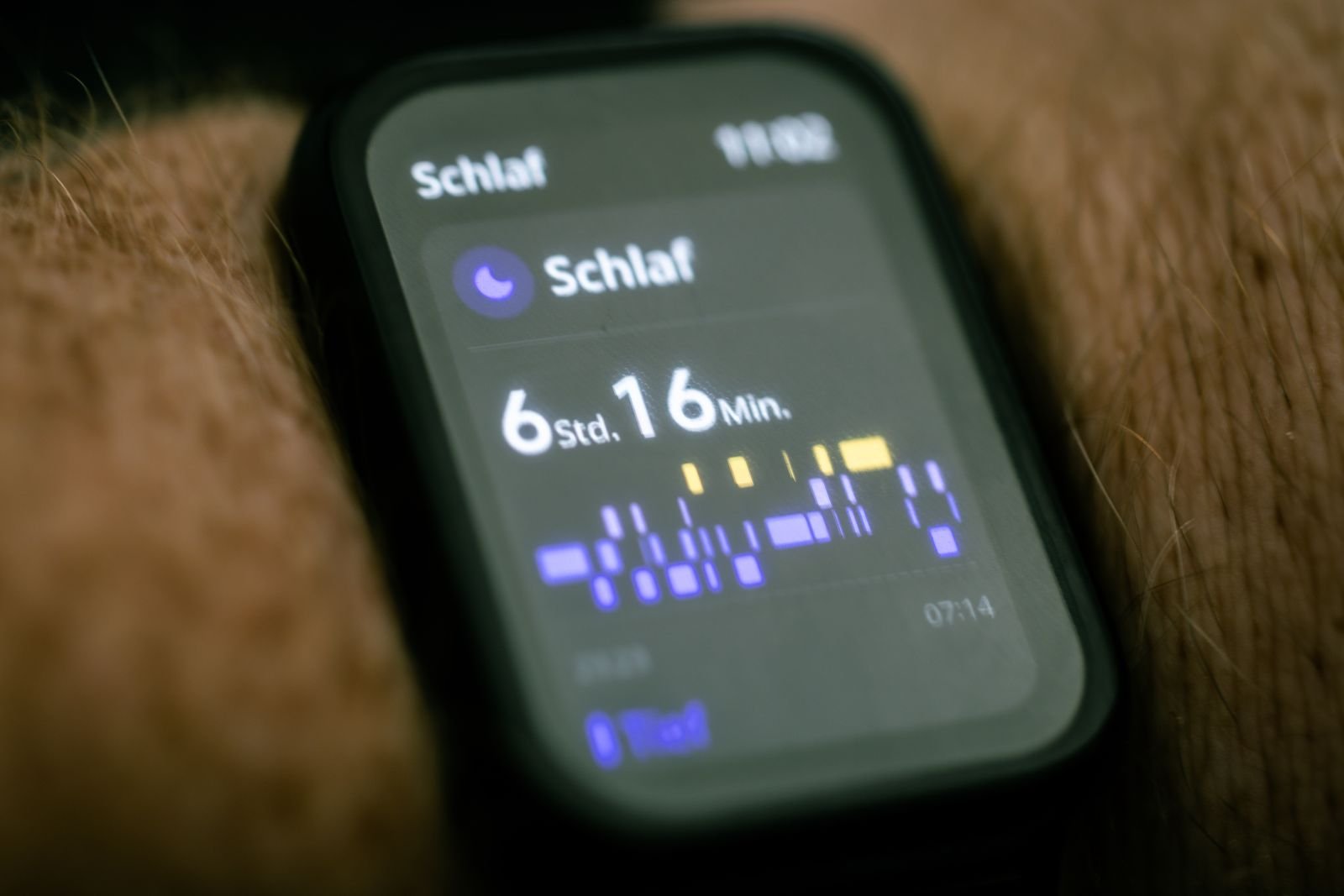
Sleep stage accuracy is limited. This is the big one. The gold standard for measuring sleep stages is a clinical polysomnography sleep study measuring brain waves. Consumer trackers estimate stages from movement and heart rate, which is considerably less accurate. Their “you got X minutes of deep sleep” figures should be taken with real skepticism, the stage breakdowns are educated guesses, and different devices often disagree significantly on the same night.
They can’t diagnose sleep disorders. A tracker can’t diagnose sleep apnea or other sleep disorders (though some may flag signs worth investigating). If you have symptoms of a sleep disorder (see sleep apnea symptoms in men), you need proper medical evaluation, not a wearable.
The precision is illusory. A “sleep score” of 84 looks precise, but given the estimation involved, that precision is somewhat illusory. Don’t over-interpret small differences in scores.
The “Orthosomnia” Trap
Here’s an important and counterintuitive downside. Some people become anxious and obsessive about their sleep data, a phenomenon researchers have dubbed “orthosomnia”, where the pursuit of perfect sleep scores worsens sleep by creating stress about it. Checking your score first thing and feeling anxious about a “bad” night can become self-defeating.
If tracking your sleep makes you more stressed about sleep, that’s counterproductive, the anxiety harms your sleep more than the data helps. The tool should serve you, not create a new source of worry.
How to Use a Sleep Tracker Well
To get the value while avoiding the pitfalls:
- Focus on trends, not single nights. Look at weekly and monthly patterns, not obsessing over one night’s numbers.
- Take sleep-stage data with skepticism. Treat deep/REM breakdowns as rough estimates, not precise truth. Total duration and consistency are more reliable.
- Use it to test what helps. Track how alcohol, caffeine timing (see caffeine for men), evening screens (see blue light and sleep), and exercise affect your sleep, this is useful.
- Don’t get obsessive. If it’s making you anxious, step back. Your subjective sense of how rested you feel matters too.
- See a doctor for real concerns. For suspected sleep disorders, trackers are a prompt to seek proper evaluation, not a diagnosis.
Used this way, as a trend-tracking, behaviour-nudging tool rather than a precise medical instrument, a sleep tracker can help you prioritise and improve your sleep.
FAQ: Are Sleep Trackers Accurate?
Are sleep trackers accurate?
Reasonably accurate for sleep duration and timing, but considerably less accurate for sleep stages (light/deep/REM), which are estimated from movement and heart rate rather than measured directly. Their real value is in tracking trends over time, not single-night precision.
Can a sleep tracker measure deep sleep accurately?
Not precisely. Consumer trackers estimate sleep stages from indirect signals, which is much less accurate than a clinical sleep study measuring brain waves. Treat deep/REM figures as rough estimates, and note different devices often disagree.
Are sleep trackers worth it?
They can be, if used well. Their value is in revealing trends, showing how habits affect your sleep, and motivating you to prioritise rest, not in perfectly precise stage data. Focus on trends and behaviour change rather than obsessing over scores.
Can sleep trackers detect sleep apnea?
No, they can’t diagnose sleep apnea or other sleep disorders, though some may flag signs worth investigating. If you have symptoms, you need proper medical evaluation, not a wearable.
Can sleep trackers make sleep worse?
They can, for some people, a phenomenon called “orthosomnia,” where anxiety about achieving perfect sleep scores worsens sleep. If tracking makes you stressed about sleep, that’s counterproductive; the tool should help, not create worry.
The Bottom Line: Are Sleep Trackers Accurate?
So, are sleep trackers accurate? They’re useful tools with real limitations, and knowing the difference lets you use them well. They’re reasonably accurate at measuring sleep duration and timing, and most valuable for revealing trends over time and showing how your habits affect your rest. But their sleep-stage breakdowns (deep, REM) are rough estimates, not precise measurements, and they can’t diagnose sleep disorders. Watch out for “orthosomnia”, becoming so anxious about your sleep scores that it worsens your sleep. Used sensibly, focusing on trends and behaviour change rather than obsessing over nightly precision, a sleep tracker can help you prioritise and improve the sleep your health depends on. Just treat it as a helpful guide, not an infallible medical instrument.
This article is for informational purposes only and does not constitute medical advice. For suspected sleep disorders, consult a qualified healthcare professional.