
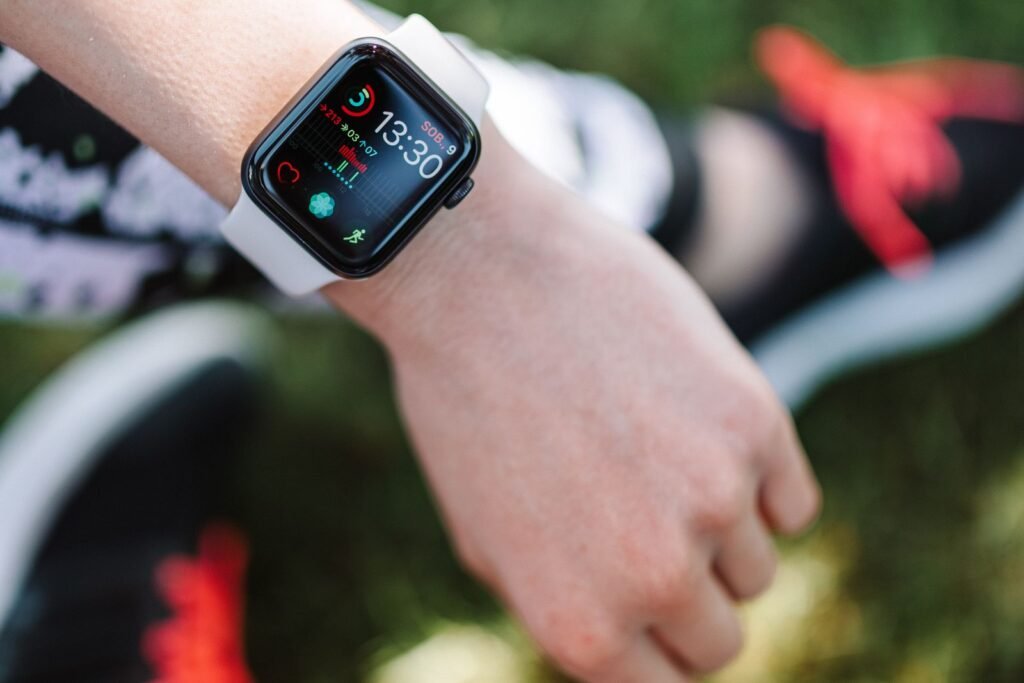
Health and fitness wearables have become useful tools, tracking your heart rate, sleep, activity, recovery, and more, and helping many men take a more active interest in their health. But with so many options (smartwatches, smart rings, dedicated fitness bands), choosing the right one can be confusing. The best wearable for you depends on what you want to track and how you’ll use it. This guide compares the main types of health wearables by use case, so you can choose wisely. Note: specific models and prices change frequently, so this focuses on the enduring differences between the main categories and brands.
First: What Wearables Are Good For (and Their Limits)
Before choosing, set realistic expectations. Wearables are excellent for tracking trends over time and motivating healthy behaviour, your activity, sleep patterns, resting heart rate, HRV, and general fitness (see resting heart rate vs HRV). They’re useful for staying aware of your health and seeing your progress.
But they have limits: the data (especially things like sleep stages and some estimates) isn’t perfectly precise, they’re best for trends rather than exact measurements, and they can’t diagnose medical conditions (see do sleep trackers work for the accuracy nuances). So choose one to support healthy habits and track trends, not as a medical device, and don’t obsess over exact numbers.
The Main Types of Wearables
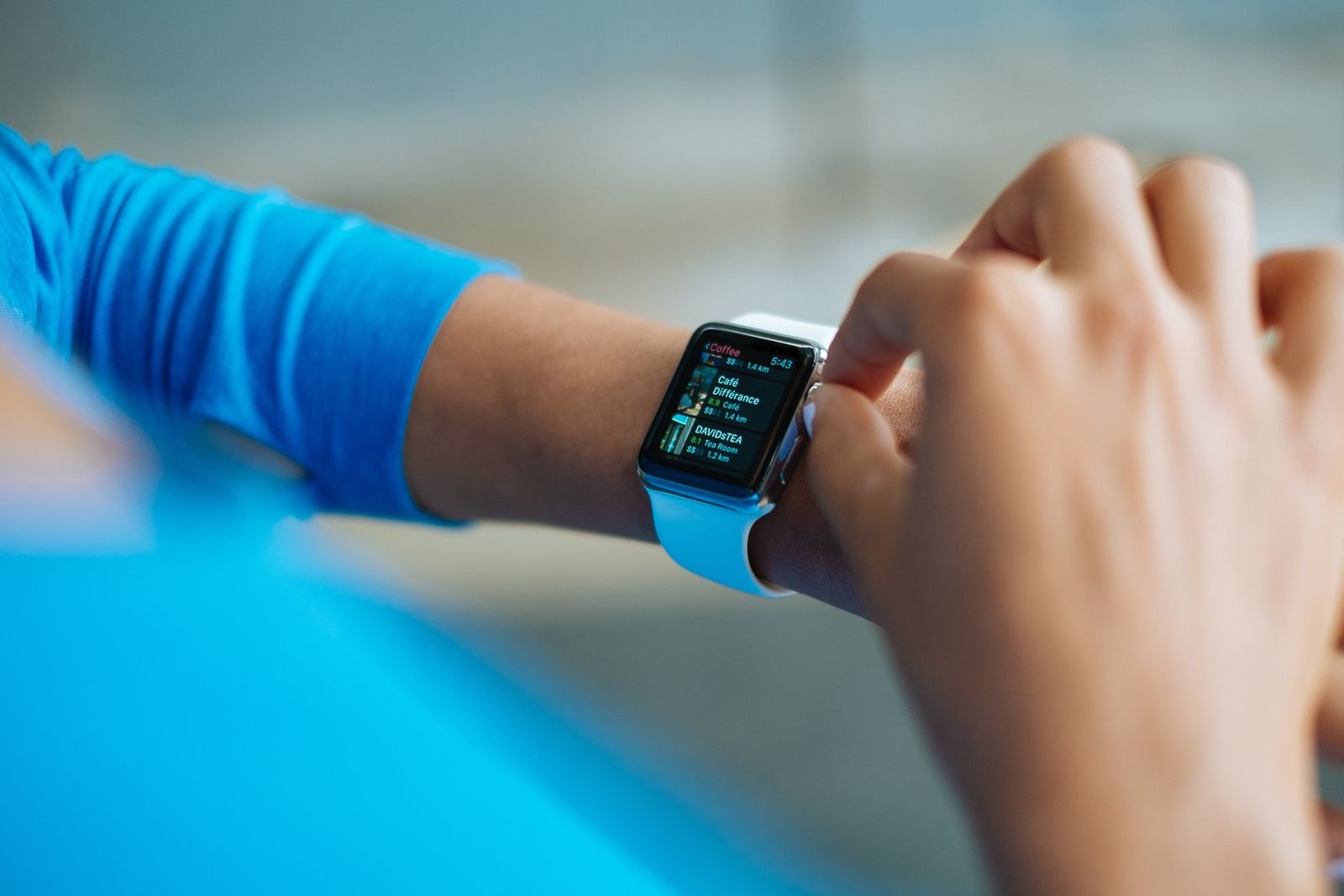
Smartwatches (e.g. Apple Watch, Samsung Galaxy Watch, Google Pixel Watch)
- Best for: People who want the broadest feature set, health tracking plus smartwatch features (notifications, apps, payments), integrated with their phone.
- Strengths: Comprehensive health and fitness tracking, plus all the smart features, a good all-rounder. The Apple Watch is a strong choice for iPhone users wanting broad health data and features; the Pixel Watch and Samsung Galaxy Watch suit Android users.
- Considerations: Shorter battery life (often needing near-daily charging), and the screen and features can be more than some want.
GPS/sports watches (e.g. Garmin)
- Best for: Those focused on training, running, cycling, and detailed athletic and outdoor metrics.
- Strengths: Sophisticated training and performance data, excellent GPS, long battery life (often many days). Garmin is a top choice if you love detailed exercise stats (pace, power, training metrics) and outdoor activities, and want long battery life without a subscription for core features.
- Considerations: Can be more oriented toward athletic performance than some casual users need.
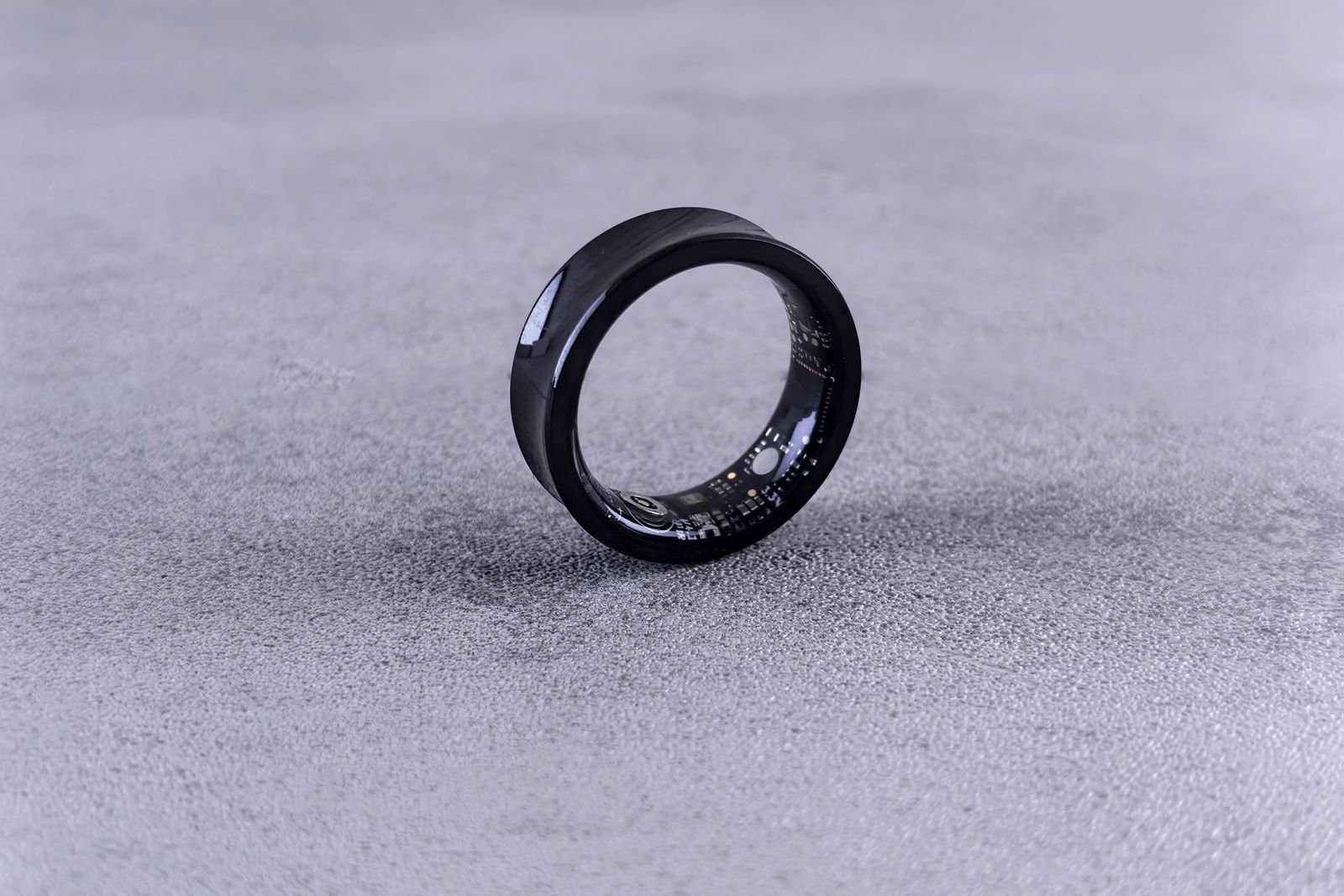
Smart rings (e.g. Oura Ring, and others)
- Best for: People who want sleep and recovery tracking without wearing a watch, or who dislike wrist wearables.
- Strengths: Discreet, comfortable, good for sleep and recovery/readiness tracking, and good battery life. A smart ring is a great option if you prioritise sleep optimisation and recovery, and prefer not to wear a watch (see do sleep trackers work). Some now offer no-subscription options.
- Considerations: Limited activity/exercise tracking compared to watches (typically no GPS or detailed workout modes), a smaller battery than some watches, and some brands charge a subscription to access full data (a legitimate consumer frustration worth checking before buying).
Recovery-focused wearables (e.g. Whoop)
- Best for: Those who train hard and want dedicated recovery, strain, and readiness tracking.
- Strengths: Focused on recovery and training-load metrics, screenless and discreet. A good fit if you train seriously and want to optimise recovery (see recovery after 40 and overtraining and testosterone).
- Considerations: Typically a membership/subscription model (an ongoing cost), and focused on recovery data rather than being a general-purpose device.
Affordable fitness bands (e.g. Fitbit and similar)
- Best for: People who want solid mainstream health and activity tracking affordably, without the cost or complexity of premium devices.
- Strengths: Good all-day tracking (steps, heart rate, sleep, activity) at a lower price, user-friendly. A great pick for those wanting the core benefits without a big investment.
- Considerations: Fewer advanced features than premium watches or specialised devices.
How to Choose: Match It to Your Needs
Rather than “which is best” universally, ask what you want:
- Want broad health tracking plus smart features, and use an iPhone? An Apple Watch. On Android? A Pixel or Samsung watch.
- Focused on training, running, cycling, or outdoor sports, and want long battery life? A Garmin (or similar sports watch).
- Prioritise sleep and recovery, and prefer not to wear a watch? A smart ring (like Oura).
- Train hard and want dedicated recovery/strain tracking? A recovery-focused device (like Whoop).
- Want solid mainstream tracking affordably? A Fitbit or comparable fitness band.
- Dislike wearing anything bulky or a screen? A smart ring or screenless band.
Also consider practical factors: battery life (rings and sports watches often last longer than smartwatches), subscription costs (some devices charge ongoing fees to access your data, check this before buying), comfort and style (watch vs ring vs band, and whether you like a screen), and your phone ecosystem (some watches integrate best with iPhone or Android specifically).
What Matters Most
A final point. The best wearable is the one you’ll wear consistently and that tracks what you care about, because the value comes from consistent use and acting on the insights, not from the device having the most features. A simpler device you wear every day and use to build better habits beats a sophisticated one that annoys you or sits in a drawer. And remember, no wearable replaces the fundamentals of health, it’s a tool to support your habits and awareness, not a substitute for exercising, sleeping, and eating well (see longevity habits). Choose one that fits your needs and preferences, use it to support healthy behaviour, and don’t get lost obsessing over the data.
Frequently Asked Questions
What’s the best health tracking wearable?
It depends on your needs. Smartwatches (Apple Watch, Pixel, Samsung) offer the broadest features; Garmin excels for training and outdoor sports with long battery; smart rings (like Oura) are great for sleep and recovery without a watch; Whoop focuses on recovery for hard trainers; and Fitbit offers solid affordable tracking. The best is the one matching what you want to track.
Should I get a smartwatch or a smart ring?
A smartwatch if you want broad health tracking plus smart features (notifications, apps) and don’t mind a wrist device and daily charging. A smart ring if you prioritise sleep and recovery tracking, prefer something discreet, dislike wrist wearables, and want longer battery, though rings offer less exercise tracking.
Which wearable is best for sleep tracking?
Smart rings (like Oura) and dedicated recovery wearables are often preferred for sleep and recovery tracking, being comfortable to wear overnight. But most wearables track sleep reasonably for trends. Note that sleep-stage data isn’t perfectly precise on any device, use it for trends rather than exact measurement.
Do health wearables need a subscription?
Some do, certain devices (like some smart rings and recovery trackers) charge an ongoing membership or subscription to access full data, while others (like many smartwatches and Garmin for core features) don’t. Check the subscription situation before buying, as ongoing fees are a real cost and a common frustration.
Are health wearables accurate?
They’re good for tracking trends but not perfectly precise, some metrics (like sleep stages and certain estimates) are educated guesses, and they can’t diagnose medical conditions. Use them for trends and motivation rather than exact measurements, and don’t obsess over precise numbers.
The Bottom Line on Health Wearables
Health wearables are useful tools for tracking trends and motivating healthy behaviour, but the best one for you depends on what you want to track and how you’ll use it, not on which is universally “best.” The main types each suit different needs: smartwatches (Apple Watch, Pixel, Samsung) offer the broadest health-plus-smart features and suit your phone ecosystem; Garmin and sports watches excel for training and outdoor metrics with long battery life; smart rings (like Oura) are great for sleep and recovery without wearing a watch; recovery-focused devices (like Whoop) suit hard trainers wanting strain and readiness data; and affordable bands (like Fitbit) offer solid mainstream tracking.
Match your choice to your priorities, and consider practical factors like battery life, subscription costs (check these before buying), comfort, and your phone. Ultimately, the best wearable is the one you’ll wear consistently and that tracks what you care about, and no device replaces the fundamentals of exercising, sleeping, and eating well: it’s a tool to support those habits, not a substitute.
This article is for informational purposes only and does not constitute medical advice. Wearables are not medical devices and cannot diagnose conditions. Consult a qualified healthcare professional for health concerns.
Sources
- Doherty C et al. Keeping Pace with Wearables: A Living Umbrella Review of Systematic Reviews Evaluating the Accuracy of Consumer Wearable Technologies in Health Measurement. Sports Med, 2024
- Chinoy ED et al. Performance of seven consumer sleep-tracking devices compared with polysomnography. Sleep, 2021
- Franssen WMA et al. Can consumer wearable activity tracker-based interventions improve physical activity and cardiometabolic health in patients with chronic diseases? A systematic review and meta-analysis of randomised controlled trials. Int J Behav Nutr Phys Act, 2020