

The multivitamin is the classic “cover your bases” supplement, taken by millions of men as nutritional insurance. But do they actually do anything, or are they, as critics claim, an expensive way to produce nutrient-rich urine? The evidence-based answer is nuanced: multivitamins aren’t the health-transforming products marketing implies, but they’re not entirely useless either. This guide gives you the straight answer on whether men should take a multivitamin.
The Answer: Modest Insurance, Not a Health Booster
Let’s be direct. The evidence doesn’t support multivitamins as significant health-boosters, studies generally haven’t found that multivitamins meaningfully reduce the risk of major diseases or dramatically improve health in well-nourished people. So the marketing image of a multivitamin as a powerful health-transforming product isn’t supported.
However, that doesn’t make them worthless. A multivitamin can serve as modest nutritional insurance, helping cover potential gaps in your diet, filling in small shortfalls of various vitamins and minerals. It’s a low-cost hedge against minor deficiencies, not a health miracle. So the balanced view: a multivitamin is reasonable, cheap insurance for dietary gaps, but not a substitute for a good diet or a powerful health intervention (see when supplements are a waste of money).
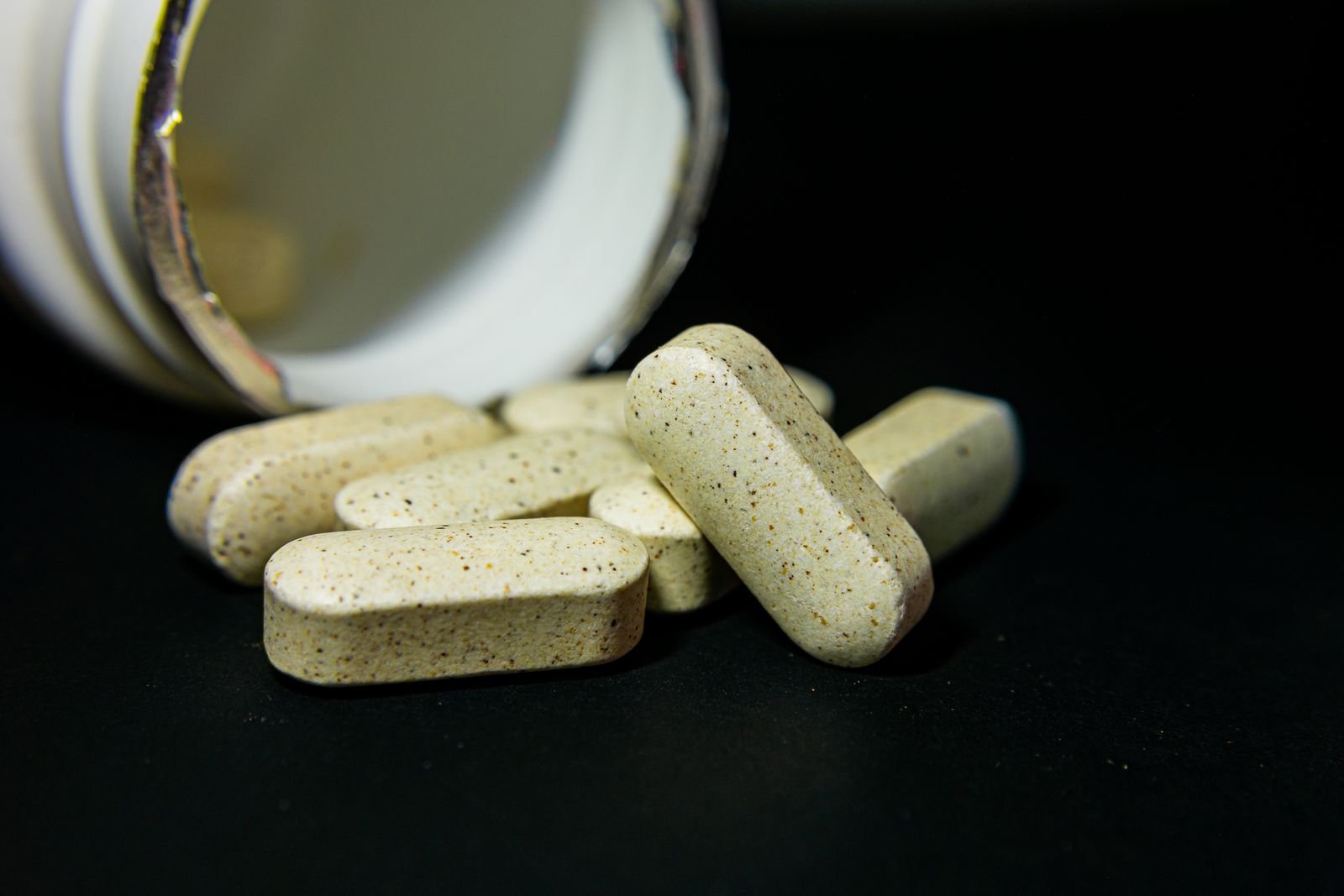
When a Multivitamin Helps
A multivitamin is more useful in certain situations:
- If your diet is poor or limited, if you don’t eat a varied, nutrient-rich diet, a multivitamin helps cover more gaps. The worse your diet, the more insurance value it has.
- If you’re restricting calories (dieting): eating less food can mean fewer nutrients, so a multivitamin helps fill gaps during a calorie deficit (see calories to lose fat without losing muscle).
- If you have increased needs or absorption issues: certain situations increase nutrient needs or reduce absorption.
- If you have specific dietary restrictions: restrictive diets (very limited variety, certain vegan diets, etc.) can create gaps a multivitamin helps address.
Conversely, if you eat a varied, whole-food diet rich in fruits, vegetables, protein, and whole grains, you’re likely getting most nutrients from food, and a multivitamin adds less. So the value depends heavily on your diet quality.
The same logic applies to greens powders, which cannot replace whole vegetables (see our review of greens powders).
Targeted Supplements Often Beat a Multivitamin
Here’s an important nuance. For specific, true deficiencies, a targeted supplement is often better than a multivitamin, because:
- A multivitamin contains small amounts of many nutrients, which may not be enough to correct a true deficiency in a specific one.
- If you’re deficient in, say, vitamin D (common, see vitamin D deficiency in men) or have low levels of a specific nutrient, a targeted supplement at an appropriate dose addresses it better than the small amount in a multivitamin.
So the smarter approach for many men is: eat a good diet, and target specific supplements where you have needs or common deficiencies (like vitamin D, and omega-3 if you don’t eat fish, see the men’s supplement stack), rather than relying on a multivitamin to fix everything. A multivitamin is broad but shallow; targeted supplements are focused and adequate.
What to Look For If You Take One
If you decide a multivitamin is worthwhile as general insurance:
- Choose a reputable brand, ideally third-party tested, since quality and label accuracy vary (see how to read a supplement label).
- Don’t overpay for “premium” or “men’s specialized” versions with exotic marketing, a solid, reasonably-priced multivitamin is fine. Many “men’s” multivitamins are marketing.
- Check it’s not megadosing fat-soluble vitamins or minerals to excessive levels, more isn’t better, and some can be harmful in excess.
- Look for sensible, balanced amounts rather than extreme doses or a huge list of exotic ingredients.
- Remember it’s insurance, not a treatment: don’t expect it to transform your health.
What to Ignore
To keep expectations realistic:
- Ignore claims that a multivitamin will dramatically boost energy, immunity, or health: the evidence doesn’t support this in well-nourished people.
- Ignore overpriced “premium” multivitamins: a reputable standard one is fine.
- Don’t use a multivitamin as an excuse for a poor diet: food is the foundation; a multivitamin is a minor hedge, not a replacement for eating well (see best diet for men over 40).
- Don’t assume more/expensive is better: sensible, balanced amounts from a reputable brand are what matter.

What the Largest Trials Found
Most articles on this subject say the evidence is mixed and leave it there. It pays to be more specific, because two large randomised trials have asked the question directly and the numbers are more informative than the summary.
COSMOS
The COcoa Supplement and Multivitamin Outcomes Study randomised 21,442 older US adults, 8,776 of them men aged 60 and over, to a daily multivitamin or a placebo. None had major cardiovascular disease or a recent cancer diagnosis at the start.
Over the follow-up period the multivitamin did not significantly reduce total cancer incidence. Cardiovascular events came in at 429 in the multivitamin group against 437 on placebo, which is not a difference. All-cause mortality was unaffected. There were no safety concerns.
The Physicians Health Study II
This one ran in men specifically and found a modest reduction in total cancer incidence, but no effect on cancer mortality. A small signal on diagnosis, nothing on dying of it.
How to read that
Put together, the fair summary is that in reasonably well-nourished older adults a daily multivitamin is close to neutral. It is not the general health insurance the packaging implies, and anyone selling it as protection against cancer or heart disease is going beyond what two large trials found.
The flip side matters too, because the plain version cuts both ways. The safety record in these trials was clean. If you take one because your diet is inconsistent and it gives you one less thing to think about, the evidence does not suggest you are doing yourself harm. Just do not expect it to do heavy lifting, and do not let it substitute for fixing an actual deficiency that a blood test would identify.
Frequently Asked Questions
Do multivitamins actually work?
Not as significant health-boosters, evidence generally doesn’t show multivitamins meaningfully reduce major disease risk or dramatically improve health in well-nourished people. But they can serve as modest nutritional insurance, covering potential dietary gaps. They’re cheap insurance, not a health miracle.
Should men take a multivitamin?
It’s reasonable as low-cost insurance for dietary gaps, more useful if your diet is poor or limited, you’re dieting, or you have restrictions. But if you eat a varied, whole-food diet, you’re likely getting most nutrients from food. Targeted supplements often beat a multivitamin for specific needs.
Is a multivitamin better than targeted supplements?
Often not, for specific true deficiencies, a targeted supplement at an appropriate dose is usually better, since a multivitamin contains only small amounts of each nutrient. The smarter approach is a good diet plus targeted supplements for needs (like vitamin D), rather than relying on a multivitamin.
When is a multivitamin worth taking?
It’s more useful if your diet is poor or limited, you’re restricting calories (dieting), you have increased needs or absorption issues, or you have dietary restrictions creating gaps. The worse your diet’s variety, the more insurance value a multivitamin has. With a great diet, it adds less.
Are expensive “men’s” multivitamins worth it?
Usually not, many “men’s specialized” or “premium” multivitamins are largely marketing. A solid, reputable, reasonably-priced multivitamin with sensible balanced amounts is fine. Don’t overpay for exotic ingredients or claims, and choose a third-party-tested brand for quality assurance.
The Bottom Line
Do multivitamins work? The answer is that they’re modest nutritional insurance, not the health-transforming products marketing implies. The evidence doesn’t support multivitamins meaningfully reducing major disease risk or dramatically improving health in well-nourished people, so don’t expect dramatic benefits. But they’re not useless either: a multivitamin can help cover potential dietary gaps as a low-cost hedge, and it’s more useful if your diet is poor or limited, you’re dieting, or you have dietary restrictions.
Importantly, for specific true deficiencies, a targeted supplement at an appropriate dose usually beats the small amount in a multivitamin, so the smarter approach for many men is a good diet plus targeted supplements for needs (like vitamin D, or omega-3 if you don’t eat fish), rather than relying on a multivitamin to fix everything. If you do take one, choose a reputable, reasonably-priced, third-party-tested brand with sensible amounts, and treat it as minor insurance, not a substitute for eating well. Food is the foundation; a multivitamin is just a small hedge on top.
This article is for informational purposes only and does not constitute medical advice. Consult a qualified healthcare professional or registered dietitian for personalised guidance.
Sources
- NIH Office of Dietary Supplements, Multivitamin/Mineral Supplements
- Fortmann SP et al. Vitamin and mineral supplements in the primary prevention of cardiovascular disease and cancer: An updated systematic evidence review for the U.S. Preventive Services Task Force. Ann Intern Med, 2013
- Gaziano JM et al. Multivitamins in the prevention of cancer in men: the Physicians’ Health Study II randomized controlled trial. JAMA, 2012
- Multivitamins in the prevention of cancer and cardiovascular disease: the COSMOS randomized clinical trial.