
Few topics in men’s health attract more misinformation than testosterone. It’s a magnet for supplement marketing, gym-bro folklore, and online hype, leaving most men with a picture that’s part truth, part nonsense. Sorting the two out is genuinely useful, because acting on testosterone myths wastes money and effort while missing what actually works. Here are nine of the most common myths, debunked.
This guide breaks down testosterone myths: what the evidence says, what is worth doing, and what is worth skipping.
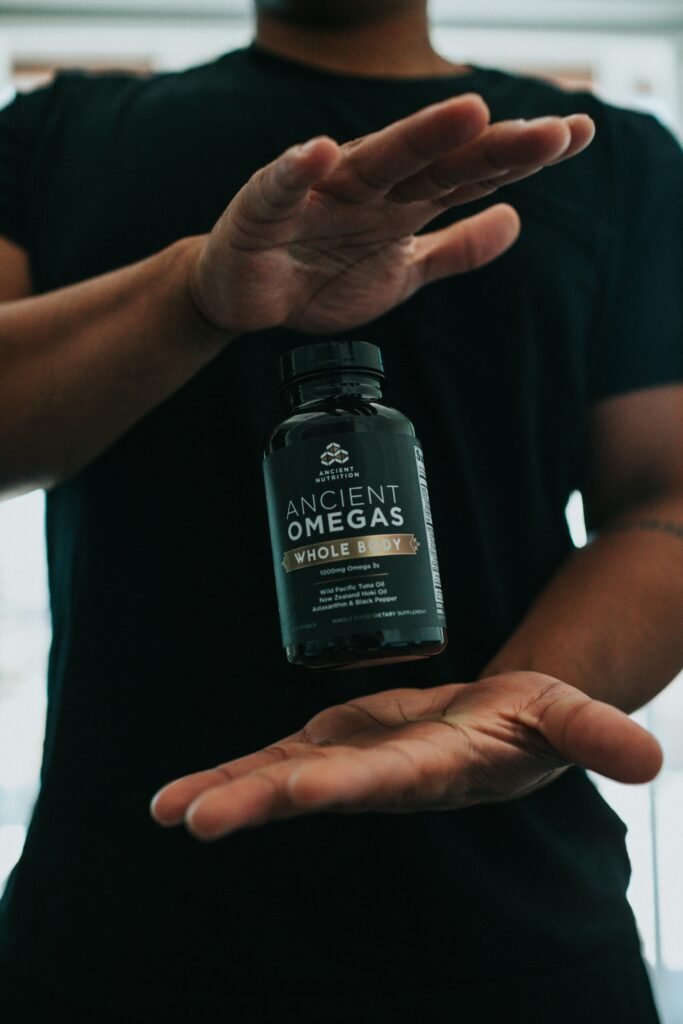
Testosterone Myths #1: “Boosters” Will Dramatically Raise Your Levels
Reality: Most over-the-counter “testosterone boosters” don’t meaningfully raise testosterone in healthy men. Popular ingredients like tribulus have weak evidence, and proprietary blends often contain ineffective doses. The exceptions are narrow, correcting a genuine deficiency in vitamin D, zinc, or magnesium can help, and ashwagandha may help via stress reduction (see do testosterone supplements work). But the dramatic boost the marketing promises is largely fiction. What actually raises testosterone is free: fat loss, sleep, training, and stress management.
Myth 2: More testosterone always means more muscle and masculinity
Reality: Within the normal range, having more testosterone doesn’t linearly translate to more muscle, more masculinity, or a better life. Testosterone matters, but it’s one factor among many, and once you’re in a healthy range, pushing higher doesn’t produce proportional benefits. The obsession with maximising testosterone often misses that normal, healthy levels are the goal, not the highest possible number.
Myth 3: Low testosterone is just a normal part of aging you must accept
Reality: Some decline is normal, but you shouldn’t simply accept low levels or the symptoms. Much of what men blame on “age” is actually driven by reversible factors, excess weight, poor sleep, chronic stress, sleep apnea, that suppress testosterone independent of ageing (see signs of low testosterone). Addressing these often raises levels meaningfully. Age isn’t the whole story, and it’s not an excuse to ignore genuine symptoms.
Myth 4: Masturbation tanks your testosterone
Reality: Masturbation does not meaningfully lower testosterone or cause low T. This persistent myth, fuelled by “NoFap” claims, isn’t supported by evidence, there are only minor, temporary fluctuations, and any benefits men report from abstaining are psychological, not hormonal (see does masturbation affect testosterone).
Testosterone Myths #5: It’s Only About Sex Drive
Reality: Testosterone affects far more than libido, it influences muscle, bone density, mood, energy, motivation, red blood cell production, and body composition. Low testosterone can show up as fatigue, low mood, and lost muscle, not just reduced sex drive. Reducing it to a “sex hormone” massively understates its role.
Myth 6: Only total testosterone matters
Reality: Your free testosterone, the small unbound fraction actually available to your body, often matters more than total, and the two can diverge significantly depending on a protein called SHBG (see free vs total testosterone and what is SHBG). A man can have normal total testosterone but low free testosterone and real symptoms. Judging by total alone misses this.
Myth 7: High testosterone causes baldness
Reality: Baldness is driven by genetic sensitivity of your hair follicles to DHT (a testosterone derivative), not by how much testosterone you have (see what is DHT). Men with normal or even low testosterone go bald, and having high testosterone doesn’t doom your hairline. The genetics of follicle sensitivity matter far more than your testosterone level.
Myth 8: Testosterone replacement therapy (TRT) is a simple fix everyone should consider
Reality: TRT is a legitimate medical treatment for genuinely diagnosed low testosterone, but it’s not a casual lifestyle enhancement. It requires proper diagnosis, medical supervision, and comes with considerations (it can affect fertility and requires ongoing management). For many men, addressing the reversible lifestyle causes of low testosterone is the better first step. TRT is a real medical decision to make with a doctor, not a shortcut to grab.
Myth 9: Eating specific “testosterone foods” will transform your levels
Reality: No single food meaningfully raises testosterone. Diet supports testosterone mainly by correcting nutrient deficiencies and, most importantly, helping you maintain a healthy body fat level (see foods that boost testosterone). The idea that certain superfoods will transform your hormones is overblown, it’s the overall pattern and your body composition that matter, not magic ingredients.
Testosterone Myths: What Actually Works
Cutting through all the myths, here’s what genuinely supports healthy testosterone:
– Losing excess body fat: one of the biggest levers (see testosterone and belly fat)
– Lifting weights: resistance training supports testosterone (see exercises to increase testosterone)
– Sleeping well: most testosterone is made during deep sleep (see sleep and testosterone)
– Managing stress: chronic cortisol suppresses testosterone
– Limiting alcohol
– Correcting genuine deficiencies in vitamin D, zinc, and magnesium
– Getting properly assessed if you have real symptoms, rather than self-treating
None of these are exciting or sellable, which is exactly why the myths persist, the truth doesn’t move product.
FAQ: Testosterone Myths
Some quick answers on testosterone myths:
Do testosterone boosters actually work?
Most don’t meaningfully raise testosterone in healthy men. They can help only by correcting a genuine deficiency (vitamin D, zinc, magnesium) or reducing stress (ashwagandha). The dramatic boosts marketed are largely fiction.
Is low testosterone just part of aging?
Some decline is normal, but much of what’s blamed on age comes from reversible factors, weight, sleep, stress, sleep apnea. You shouldn’t simply accept low levels or symptoms without addressing these.
Does masturbation lower testosterone?
No, this is a myth. Masturbation doesn’t meaningfully lower testosterone or cause low T. Only minor, temporary fluctuations occur, and NoFap benefits are psychological, not hormonal.
Does high testosterone cause baldness?
No. Baldness is driven by genetic follicle sensitivity to DHT, not by how much testosterone you have. Men with normal or low testosterone go bald, and high testosterone doesn’t doom your hairline.
What actually raises testosterone?
Losing body fat, lifting weights, sleeping well, managing stress, limiting alcohol, and correcting genuine nutrient deficiencies. These free fundamentals work far better than any supplement or “testosterone food.”
The Bottom Line on Testosterone myths
The bottom line on testosterone myths: Testosterone is buried under myths, that boosters work dramatically, that more is always better, that low levels are just unavoidable ageing, that masturbation tanks it, that it’s only about sex drive. The reality is more useful: within a healthy range, testosterone is one important factor among many; free testosterone and SHBG matter as much as total; and the things that genuinely support it, fat loss, sleep, training, stress management, correcting deficiencies, are free and unglamorous. That’s precisely why the myths persist, because the truth doesn’t sell supplements. Ignore the hype, focus on the fundamentals, and get properly assessed if you have real symptoms.
This article is for informational purposes only and does not constitute medical advice. Consult a qualified healthcare professional about low testosterone or before starting any treatment, including TRT.
Sources
- Do ‘testosterone boosters’ really increase serum total testosterone? A systematic review – PubMed
- Fundamental Concepts Regarding Testosterone Deficiency and Treatment: International Expert Consensus Resolutions – Mayo Clinic Proceedings
- Androgenetic Alopecia: An Update – PMC
- Lifestyle Strategies to Help Prevent Natural Age-Related Decline in Testosterone – Harvard Health Publishing
