
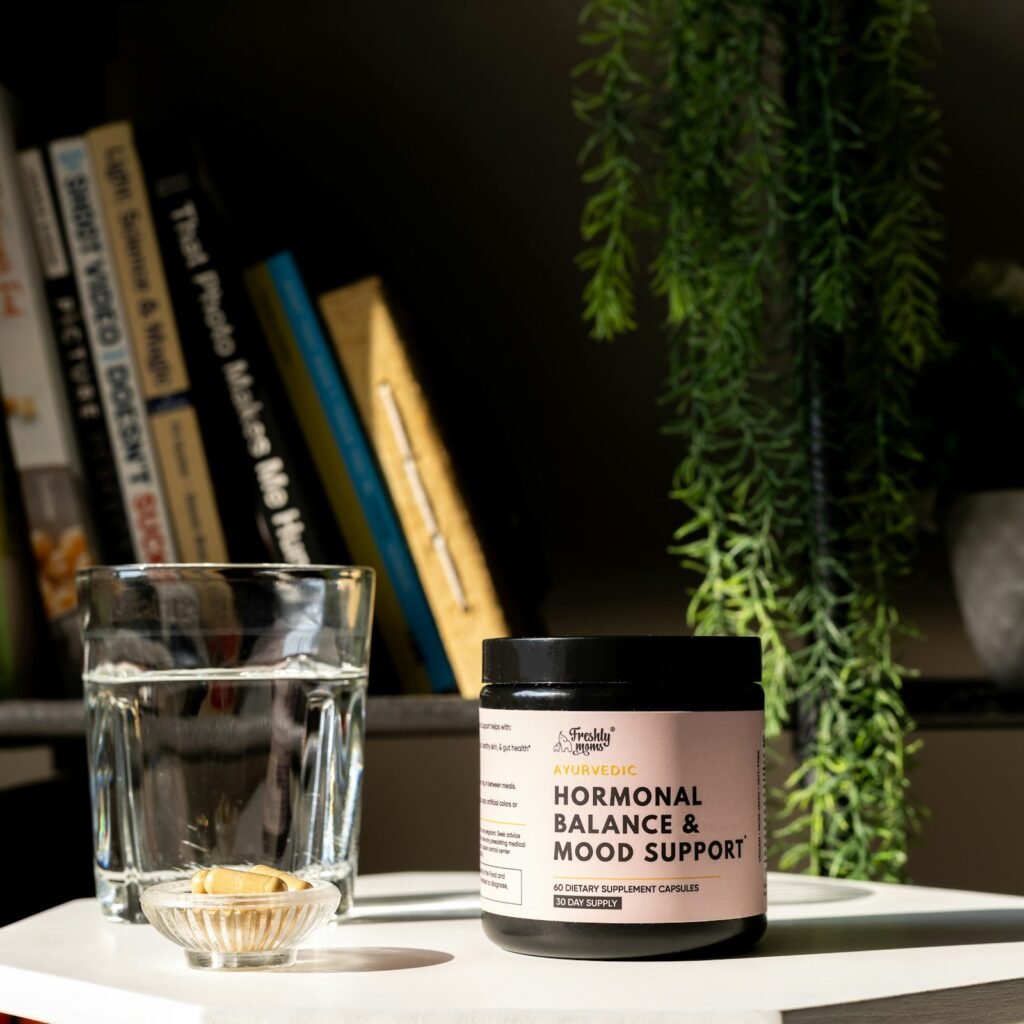
If you’re trying to get a straight answer on supplement stack for men, here’s what the evidence actually shows. The men’s supplement industry runs on hope, anxiety, and clever marketing. Walk into any shop and you’ll face a wall of products promising more testosterone, more muscle, more energy, more everything. The overwhelming majority don’t do what the label implies. But buried in that wall are a handful of supplements with genuinely strong evidence, ones that fill real gaps most men actually have.
This is the honest version: the small number of supplements worth taking, the ones that are a waste of money, and how to build a sensible stack without getting fleeced. Think of this as the hub, each supplement here links to a deeper guide if you want the full detail.
This guide breaks down supplement stack for men: what the evidence says, what is worth doing, and what is worth skipping.
The Guiding Principle: Fill Gaps, Don’t Chase Fantasies
Here’s the mindset that saves you hundreds of dollars: the best supplements fill nutritional gaps, not fantasies. They work by correcting common deficiencies and supporting functions where diet alone reliably falls short, not by transforming you into someone else.
This is why the evidence-based list is short and unglamorous. The supplements that survive scientific scrutiny aren’t the exotic “test boosters”, they’re the basics that address gaps population studies show men actually have. Get these right first, and you’ve done more than 90% of supplement buyers.
The Foundation of Any Supplement Stack for Men
Across independent evidence reviews, the same four supplements come up again and again as the ones with consistent, high-quality support for men. If you take nothing else, consider these.
1. Creatine Monohydrate
The most researched sports supplement in existence, and increasingly recognised as valuable well beyond the gym. It supports strength, power, and muscle, and the strongest emerging evidence is actually in older adults for preserving muscle as they age. There’s also growing (if not yet conclusive) evidence for cognitive benefits, particularly under sleep deprivation.
- Dose: 3-5 g daily of creatine monohydrate. Timing doesn’t matter; no need to load.
- Why it matters for men: Muscle loss (sarcopenia) accelerates with age, and creatine is one of the best-evidenced tools to counter it.
- Full detail in our guide to creatine for men over 40.
2. Vitamin D3
One of the most common deficiencies in men, a huge share of men are low, especially those who work indoors or live somewhere with weak winter sun. Vitamin D supports bone health, immune function, muscle, mood, and healthy testosterone (see vitamin D deficiency in men, and pair it with vitamin K2 for men).
- Dose: Commonly 1,000-2,000 IU daily (some go up to 4,000 IU), ideally guided by a blood test. Take with food. Pair with vitamin K2 for cardiovascular benefit.
- Why it matters for men: Deficiency is widespread and tied to fatigue, low mood, and lower testosterone.
- Full detail in our guide to vitamin D deficiency in men.
3. Omega-3 (Fish Oil)
The EPA and DHA in fatty fish support cardiovascular health, help regulate inflammation, aid recovery, and support brain function. Most men don’t eat enough fatty fish to get optimal amounts.
- Dose: 1-2 g combined EPA + DHA daily (some recommend up to 2-3 g), ideally in triglyceride form.
- Why it matters for men: Cardiovascular disease is the leading killer of men, and omega-3 intake is commonly low (see fish oil for men).
4. Magnesium (Glycinate/Bisglycinate)
Involved in hundreds of bodily processes, supportive of sleep, muscle function, stress regulation, and testosterone availability, and another nutrient many men fall short on.
- Dose: 200-400 mg elemental magnesium, often taken in the evening for sleep. Bisglycinate is the gentle, well-absorbed form.
- Why it matters for men: Supports the sleep that drives testosterone and recovery (see sleep and testosterone).
- Full detail in our guide to magnesium bisglycinate for sleep.
The Second Tier: Useful for Some, Not Everyone
These have reasonable evidence but are situational, take them based on your specific needs, not by default:
- Zinc: important for testosterone and immunity, but mainly worth it if you’re deficient or at risk (plant-based eaters, heavy drinkers). Don’t overdo it; high doses cause problems (see zinc deficiency in men).
- Ashwagandha: the most promising herbal option, with reasonable evidence for reducing stress and cortisol, and modest support for testosterone. Useful if stress is a factor for you (see ashwagandha for men).
- Vitamin K2: pairs well with vitamin D3 for cardiovascular and bone benefits (see vitamin K2 for men).
- CoQ10 (ubiquinol): specifically worth considering if you’re on statins, which deplete it.
- Protein powder: not magic, just a convenient way to hit your protein target, which matters for muscle, especially as you age (see how much protein men need).
What’s Mostly a Waste of Money
Be skeptical of these, the evidence is weak, inconsistent, or the marketing wildly outpaces the science:
- Most “testosterone boosters”: especially tribulus terrestris and D-aspartic acid, which have weak evidence. We break this down in our guide to whether testosterone supplements actually work (see also when supplements are a waste of money).
- Proprietary blends: these hide the doses of each ingredient, often meaning too little of anything to matter. A major red flag (see how to read a supplement label).
- High-dose vitamin E: not only unhelpful but associated with increased prostate cancer risk at high doses.
- Excessive zinc (50 mg or more): can lower HDL cholesterol and cause copper deficiency. More is not better.
- Most exotic “men’s vitality” blends promising dramatic results.
How to Build a Supplement Stack for Men Sensibly
A practical approach:
- Get blood work first. Knowing your vitamin D level (and testosterone, if symptomatic) tells you what you actually need rather than guessing (see blood tests for men).
- Start with the foundation: creatine, vitamin D3, omega-3, magnesium, since these address the most common gaps.
- Add second-tier items only for your situation: zinc if you’re at risk of deficiency, ashwagandha if stressed, CoQ10 if on statins.
- Buy single, transparent ingredients over proprietary blends. Look for third-party testing (USP, NSF).
- Remember supplements are the smallest lever. No stack compensates for poor sleep, excess body fat, no resistance training, and chronic stress. Fix those first: they matter far more than anything in a bottle (see how to lose belly fat after 40).
FAQ: Supplement Stack for Men
Some quick answers on supplement stack for men:
What supplements should every man take?
The four with the strongest evidence are creatine monohydrate, vitamin D3, omega-3 (fish oil), and magnesium. They address the most common gaps in men’s diets. Beyond these, add others only based on your individual needs.
Do testosterone booster supplements work?
Most don’t, as marketed. They can help if they correct a deficiency (vitamin D, zinc, magnesium) or reduce stress (ashwagandha), but popular ingredients like tribulus have weak evidence. See our dedicated guide.
What’s the best supplement for men over 40?
Creatine monohydrate has arguably the strongest case, for preserving muscle as you age, alongside vitamin D3 if you’re deficient. See creatine for men over 40.
Are proprietary blends worth buying?
Generally no, they hide the dose of each ingredient, often meaning ineffective amounts. Buy transparent, single-ingredient products instead.
Can supplements replace a good diet and exercise?
No. Supplements fill gaps; they don’t replace the fundamentals. Sleep, body composition, resistance training, and stress management matter far more than any supplement.
The Bottom Line on Supplement stack for men
The bottom line on supplement stack for men: Most men’s supplements are a waste of money, but a small core genuinely earns its place. Creatine monohydrate, vitamin D3, omega-3, and magnesium have consistent, strong evidence because they fill gaps most men actually have. Layer on zinc, ashwagandha, K2, or CoQ10 only if your situation calls for it, and skip the testosterone boosters, proprietary blends, and high-dose vitamin E. Get blood work to know what you need, buy transparent single ingredients, and never forget that supplements are the smallest lever, the real results come from sleep, training, body composition, and managing stress.
This article is for informational purposes only and does not constitute medical advice. Consult a qualified healthcare professional before starting any supplement, especially if you take medication or have a medical condition.
Sources
- The Bodybuilding Dietitians: Four Supplements Worth Taking, A Dietitian’s Evidence-Based Guide
- Supplement Scored: Best Supplements for Men Over 50 (2026)
- IngredientMD: Best Supplements for Men (2026 Guide)
- University of Utah Health: Men’s Supplements That Work, and the Ones That Aren’t Worth It
- International Society of Sports Nutrition position stand on creatine supplementation; VITAL trial on vitamin D and cardiovascular disease/cancer, NEJM.
