

“Are naps good for you?” is one of the most common sleep questions out there, and here’s what the evidence shows. Naps have a mixed reputation. Some see them as a productivity hack and a health booster; others as a sign of laziness or poor nighttime sleep. The truth, as usual, is nuanced: naps can be beneficial when done right, or counterproductive when done wrong. The details, how long, when, and why you’re napping, make all the difference. This guide covers what the evidence says about napping for men, so you can use naps to your advantage rather than having them backfire.
This guide breaks down what the evidence says, what’s worth doing, and what’s worth skipping when it comes to napping.
The Case for Naps
When done correctly, naps offer real benefits:
- Improved alertness and performance. A short nap can restore alertness, sharpen focus, and improve performance and reaction time, especially valuable during an afternoon energy dip.
- Better mood. Naps can improve mood and reduce irritability, giving a mental reset.
- Reduced fatigue. An obvious but real benefit, naps combat tiredness and can make you feel refreshed.
- Memory and learning. Some research suggests napping supports memory consolidation and learning.
- A tool for sleep debt. A nap can partially offset a poor night’s sleep, though it’s not a full substitute (see how much sleep men need).
For men dealing with the natural afternoon dip in energy, or an occasional bad night, a well-timed nap can help. The key phrase is “done correctly.”
The Case Against Naps (When They Backfire)
Naps can also work against you, which is where the negative reputation comes from:
- Grogginess (sleep inertia). Nap too long and you wake up groggy, disoriented, and worse than before, a phenomenon called sleep inertia. This happens when you wake from deep sleep, and it’s the most common napping mistake.
- Disrupted nighttime sleep. Napping too long or too late in the day can interfere with your nighttime sleep, making it harder to fall asleep or reducing its quality (see how to increase deep sleep). This can start a vicious cycle: poor night’s sleep, long compensatory nap, another poor night.
- Masking an underlying problem. Here’s an important one: a strong, persistent need to nap can be a sign that your nighttime sleep is inadequate or poor quality, potentially from a sleep disorder like sleep apnea (see sleep apnea symptoms in men). If you consistently need naps to function, that’s worth investigating rather than just napping more.
So naps aren’t inherently good or bad, their effect depends entirely on how you nap.
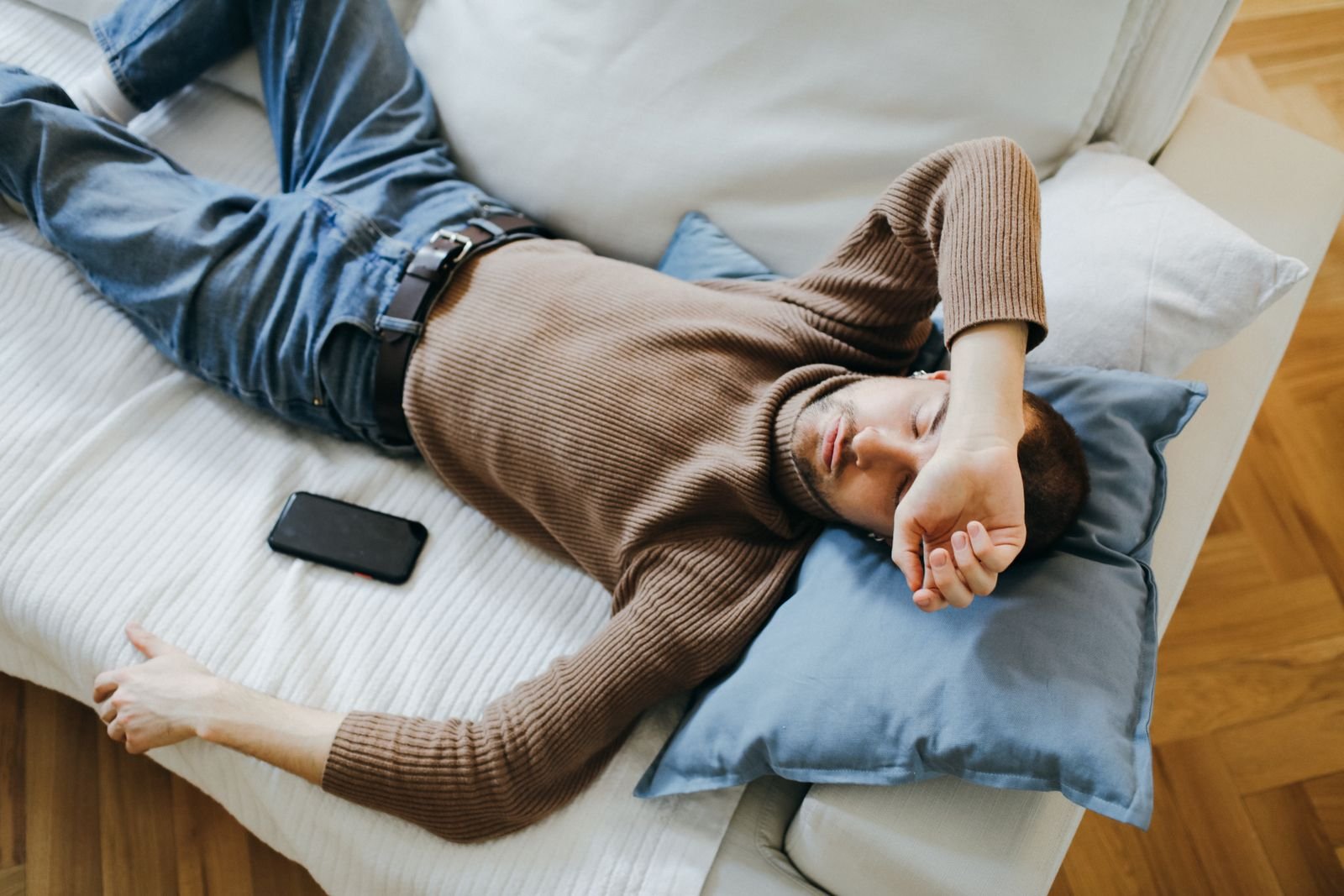
How to Make Sure Naps Are Good for You
The evidence points to clear principles for beneficial napping:
1. Keep it short (the most important rule)
The ideal nap is short, around 10 to 20 minutes. This is long enough to restore alertness but short enough that you don’t fall into deep sleep, which is what causes grogginess. A short “power nap” leaves you refreshed; a long one leaves you groggy. If you take nothing else from this, keep naps under about 20 to 30 minutes.
2. Nap earlier in the day
Timing matters for protecting your nighttime sleep. The best time to nap is early-to-mid afternoon (roughly the post-lunch dip, around 1 to 3 pm). Napping too late in the day interferes with your ability to fall asleep at night. Avoid naps in the late afternoon or evening.
3. The “coffee nap” trick
An advanced tip: some people drink a coffee immediately before a short nap. Since caffeine takes about 20 minutes to kick in (see caffeine for men), you wake from your short nap just as the caffeine takes effect, a double alertness boost. It sounds odd but has some support.
4. Create the right conditions
A quiet, cool, darkish environment helps you nap efficiently. Set an alarm so you don’t oversleep.
5. Don’t rely on naps to replace night sleep
Naps are a supplement, not a replacement, for adequate nighttime sleep. If you’re napping to compensate for chronically poor sleep, focus on fixing the root cause (see why men sleep worse after 30).
Are Naps Good for You, Personally?
Napping is individual. Some people nap well and benefit; others find any nap leaves them groggy or disrupts their night, and for them, not napping is fine. There’s no obligation to nap. The guidance:
- If you nap and it helps (you wake refreshed, it doesn’t hurt your night), a short early-afternoon nap is a reasonable tool.
- If naps leave you groggy or disrupt your sleep, you may do better without them, or with shorter ones.
- If you constantly need to nap, prioritise investigating and improving your nighttime sleep rather than relying on naps.
FAQ: Are Naps Good for You?
Are naps good for you?
They can be, when done right, improving alertness, mood, and performance, and helping offset a poor night. But done wrong (too long or too late), they cause grogginess and disrupt nighttime sleep. The effect depends entirely on how you nap.
How long should a nap be?
Around 10 to 20 minutes is ideal, long enough to restore alertness but short enough to avoid deep sleep and the grogginess (sleep inertia) that comes from waking out of it. Keep naps under about 20 to 30 minutes.
What’s the best time to nap?
Early-to-mid afternoon, roughly the post-lunch dip around 1 to 3 pm. Napping later in the day interferes with your ability to fall asleep at night, so avoid late-afternoon and evening naps.
Why do I feel groggy after napping?
You likely napped too long and woke from deep sleep, causing sleep inertia, that disoriented, groggy feeling. Keeping naps short (10 to 20 minutes) avoids this by preventing you from entering deep sleep.
Is needing to nap a bad sign?
A persistent, strong need to nap can indicate your nighttime sleep is inadequate or poor quality, possibly from a sleep disorder like sleep apnea. If you consistently need naps to function, it’s worth investigating your night sleep rather than just napping more.
The Bottom Line: Are Naps Good for You?
So, are naps good for you? Naps are neither inherently good nor bad, their value depends entirely on how you do them. Done right, a short nap of 10 to 20 minutes taken in the early afternoon can restore alertness, lift your mood, sharpen performance, and help offset a poor night, without downsides. Done wrong, too long or too late, naps leave you groggy with sleep inertia and disrupt your nighttime sleep, creating a vicious cycle. And a constant need to nap may signal that your night sleep needs attention. Keep naps short and early, use them as a supplement rather than a replacement for good nighttime sleep, and skip them entirely if they don’t suit you. Napped correctly, it’s a useful tool; napped carelessly, it works against you.
This article is for informational purposes only and does not constitute medical advice. If you consistently need naps or struggle with daytime sleepiness, consult a qualified healthcare professional to rule out sleep disorders.